

Many decades later, Aliens still commands respect. Its influence reaches across action cinema, science fiction, horror, and modern franchise building.
This level of longevity raises a fair question. Why does Aliens still look like a billion bucks? It comes from many elements working together. James Cameron created a film with a clear vision and strong decisions. The film’s design, effects, editing, and performances form a package that holds up in any era.
Watch the video:

Practical Effects That Age Gracefully
Practical effects serve as the backbone of Aliens. The film uses models, puppets, miniatures, and full-scale sets. These materials have weight. When light hits a physical object, it reacts in a way the eye understands. Even when a miniature is small, the visual texture feels natural.
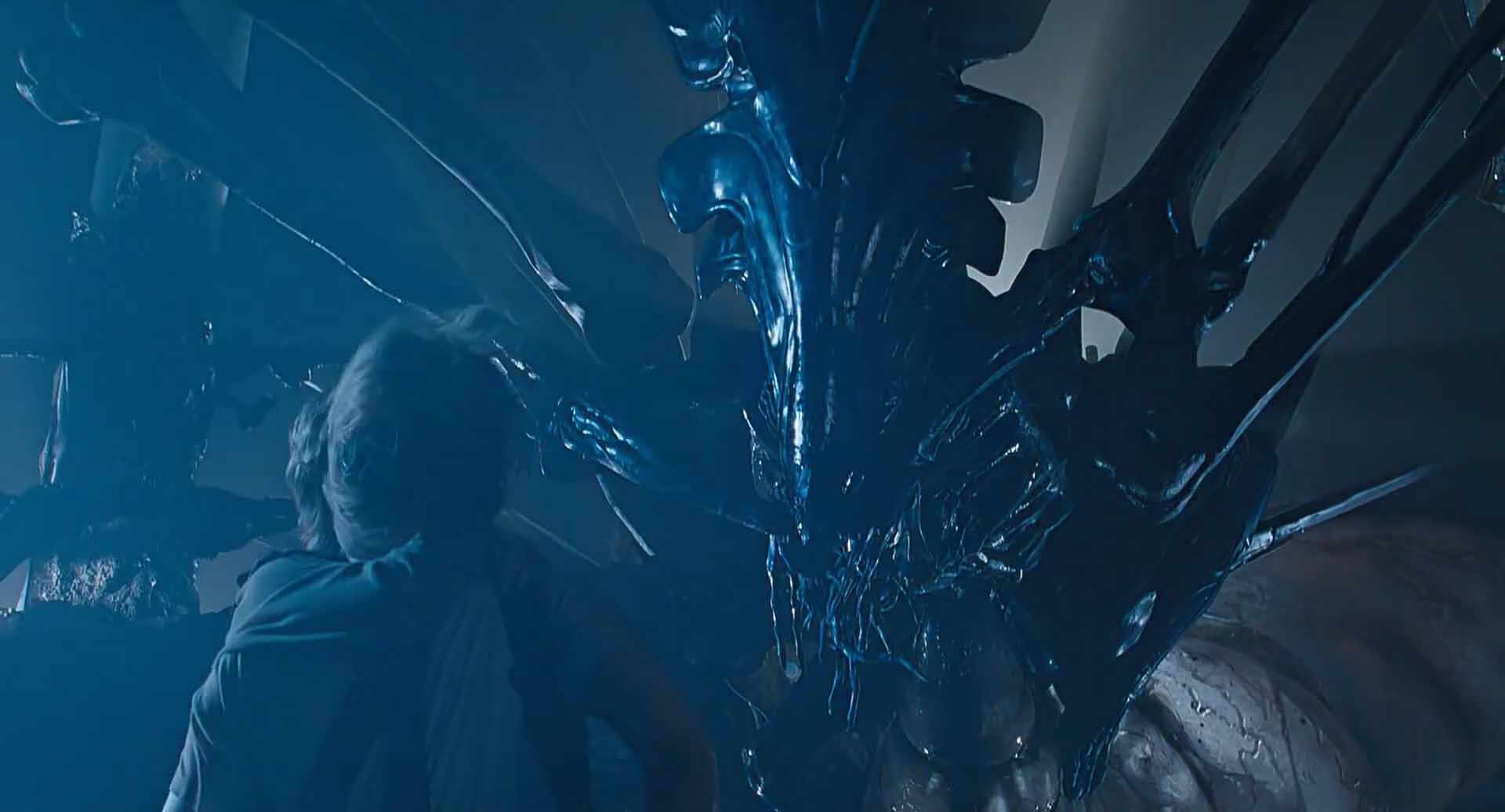
The production team built the alien creatures with care. Mechanical elements produced smooth movements. Rubber materials were sculpted with fine detail. The artists enhanced surfaces with layered paint. The aliens feel present in the frame and hold space like actual animals.
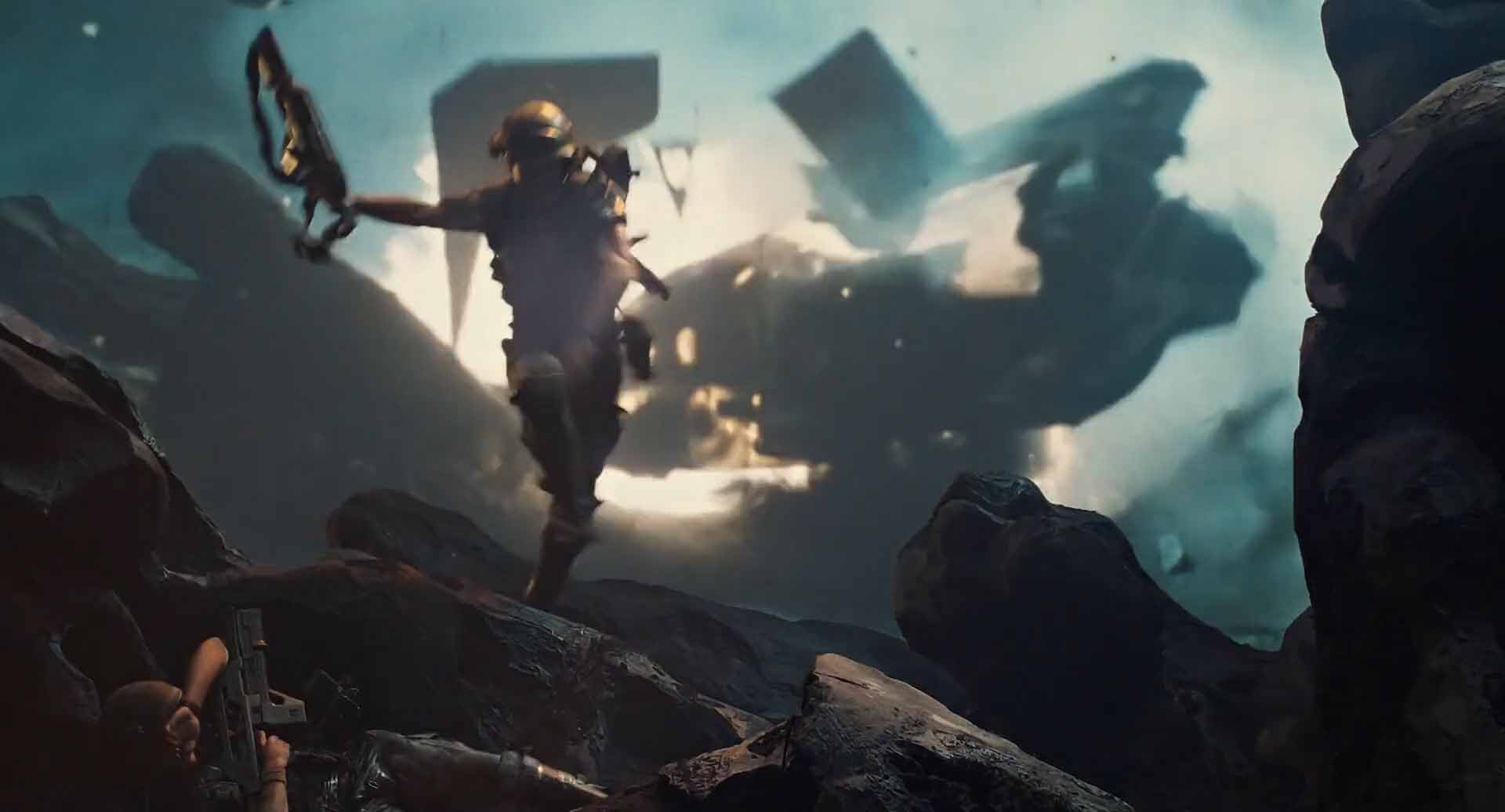
The dropship, power loader, and APC gained their strength from practical builds as well. Models were photographed with real motion. Prop vehicles were driven through constructed environments. The frame captures real dust, real weight, and real friction.
These features resist aging. Digital effects from later eras often reveal early software limitations. Practical effects avoid that trap.
Filmmakers also shot many sequences on large sets. The camera could roam through these spaces. Actors interacted with doors, piping, slime, and structural elements. Everything around them reacted with the physics of the real world.
As a result, the environment never feels hollow.
The alien design builds on H. R. Giger’s original concept (he didn’t work on the sequel). In Aliens, creatures move with hive-like behavior. The film introduces new forms, including the queen.
Performers inside suits trained to adopt animal-like posture. They crawled on walls and ceilings using rigs and harnesses. The film captures these movements in ways that feel organic, even when they sprint.
The queen represents a major technical achievement. Puppeteers controlled limbs, jaw mechanisms, and tail sections. The creature reached full scale. Its size creates immediate impact. Everything about Mother conveys power.
A Cohesive Visual Design
Aliens benefits from a unified visual identity. Production designer Peter Lamont and director James Cameron worked toward a consistent industrial-military look. They mixed used-future design with real hardware principles.
Gear that looks functional. Surfaces show scratches and dirt. Equipment looks issued, tested, and abused. Lighting emphasizes all this.
The color palette supports the film’s mood. Blues, greens, grays, and metallic tones dominate. These colors produce a cold feeling that fits the story’s themes. Warm colors appear rarely, often during combat or fire scenes. This contrast makes those moments stronger. It guides the viewer’s eye and emotional state.
Costuming also plays a key role. The Colonial Marines wear armor and gear that looks “field-ready”. Camouflage choices feel grounded. Their weapons show mechanical detail, and don’t look like props.
Everything fits the larger visual plan.
When all components follow the same design logic, the film ages well. Each part supports the others. The viewer perceives the world as consistent. This consistency helps the film retain a premium look for decades.

Lighting That Makes Aliens Feel Real
Lighting shapes much of Aliens’ visual strength. Cinematographer Adrian Biddle used direct sources, practical lights, and shadows to build tension. The film’s lighting plan supports realism.
Scenes in the colony include fluorescent flicker and emergency glow. Perspectives shift from harsh white light to deep shadow.
During action sequences, strobe effects and muzzle flashes create intensity. These flashes illuminate the creatures in quick bursts. The viewer sees just enough detail.
Fog and smoke play subtle roles as well. They diffuse beams of light. They give the frame depth and scale. These elements create atmosphere and conceal edges. The result is a world that feels dense and lived in.
Editing and Sound Design
Aliens maintains a fast pace, but it never loses clarity. The editing choices focus on action that is easy to follow.
Cross-cutting between groups supports tension. When Marines advance, cameras track their helmet feeds, weapon fire, and movement. Reaction shots reveal fear or determination. The structure helps the viewer follow the chain of events. Even chaotic battle scenes retain rhythm.
Cameron and editor Lovejoy understood pacing – and restraint. They did not rush through key frames. They also did not linger so long that the film slowed down.
Clear editing makes Aliens sharp and readable, even to new viewers who grew up with modern action standards.
Sound can elevate or damage a film’s realism. Aliens uses it with precision. Aliens uses sound to build tension, scale, and immersion. Each sound carries meaning. These audio cues guide the viewer’s emotional response.
Creature sounds add texture. Hisses, screeches, and clicks form alien language. These sounds feel animal-like but foreign. They suggest intelligence and threat. When the hive awakens, layers of ambient noise rise. This fills the space with dread.
The musical score by James Horner supports these elements. The soundtrack blends into the action rather than overpowering it, which is maybe because Cameron didn’t like the music all that much.
Characters That Ground the Experience
A film can have strong visual design and still fall apart without good characters. We invest in the story because they care about the people involved.
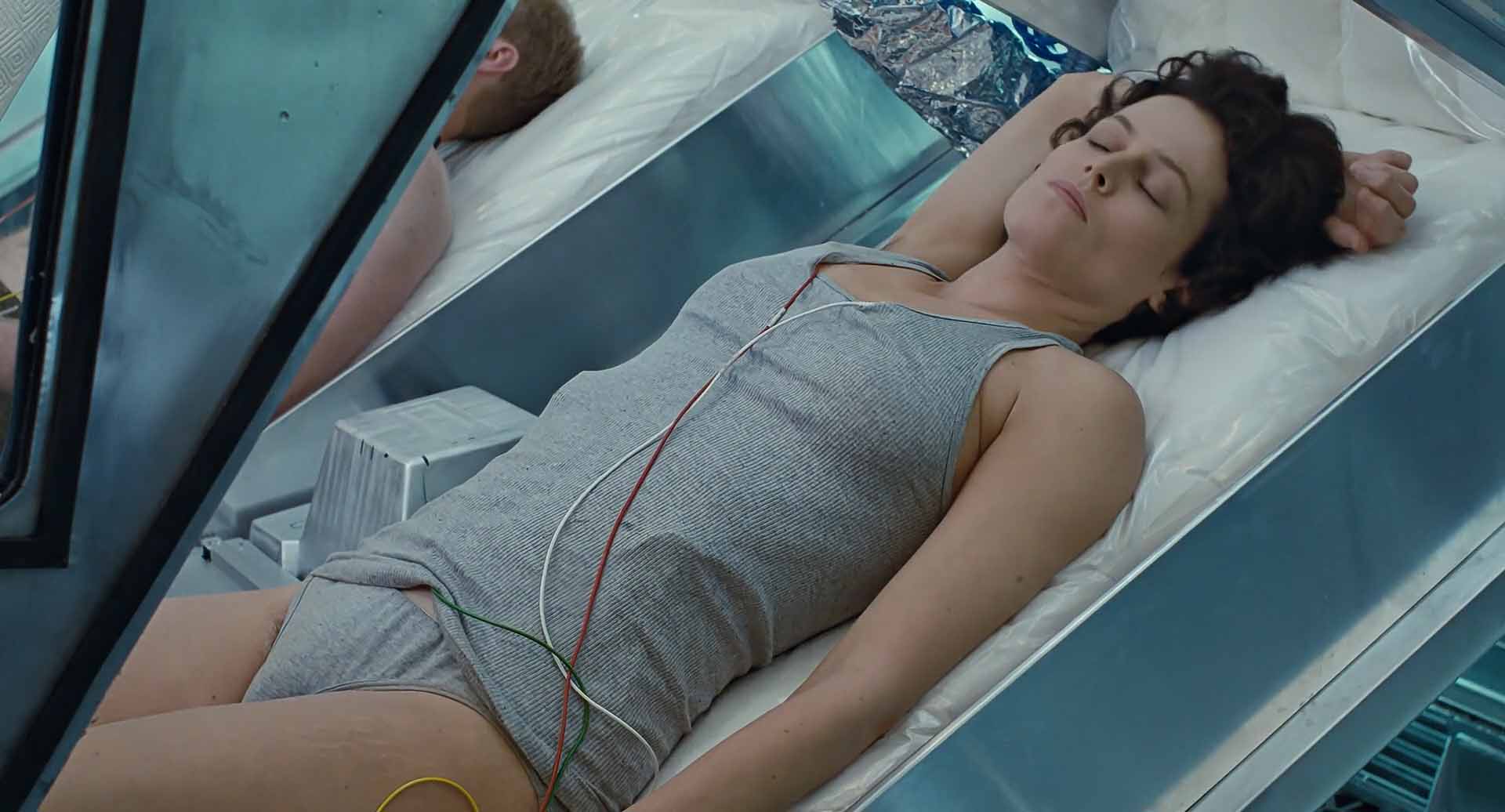
Ellen Ripley carries trauma from her earlier encounter with the alien. Her new arc in the sequel feels human and compelling.
The Marines show camaraderie and humor. Their banter builds personality. We see the aliens through the Marines’ breakdown.
Creative Constraints
Aliens faced tight budgets and limited production time. These constraints forced creative decisions. Cameron relied on physical effects because digital tools were not widely available, and he didn’t have enough time. The film was shot in 75 days.
Sometimes constraints lead to stronger results. Aliens continues to look expensive because every department delivered skillful work. The film combines engineering, art, performance, and planning. It does not rely on trends. It relies on fundamentals. Good lighting, thoughtful design, practical effects, clear editing, strong characters, and a coherent story never lose value.
Aliens shows that strong craft outlasts technology shifts. It stands as a model of practical filmmaking at its highest level. What do you think? Does it stand toe to toe, or does it improve on, Ridley Scott’s Alien?
Here’s my view on the subject:
