

Watch the video:

The camera point of view
When you see someone in real life they’re in one place, and you’re in another. If you place a camera where you’re standing you get one camera angle. That’s one point of view.
If you went lower or higher, you’d get another camera angle. This isn’t something you’re likely to do in real life. In real life you get one camera angle, and most times we don’t strive for others. We don’t say “Excuse me, let me get a different look at you”, and walk to the other side.
In real life we assume the angle we get is the best, because we found ourselves in it!
You’d be amazed how changing your position relative to the subject can change how you perceive the subject. Not only do you get new information about the side, or top, or a low angle, but you also feel differently.
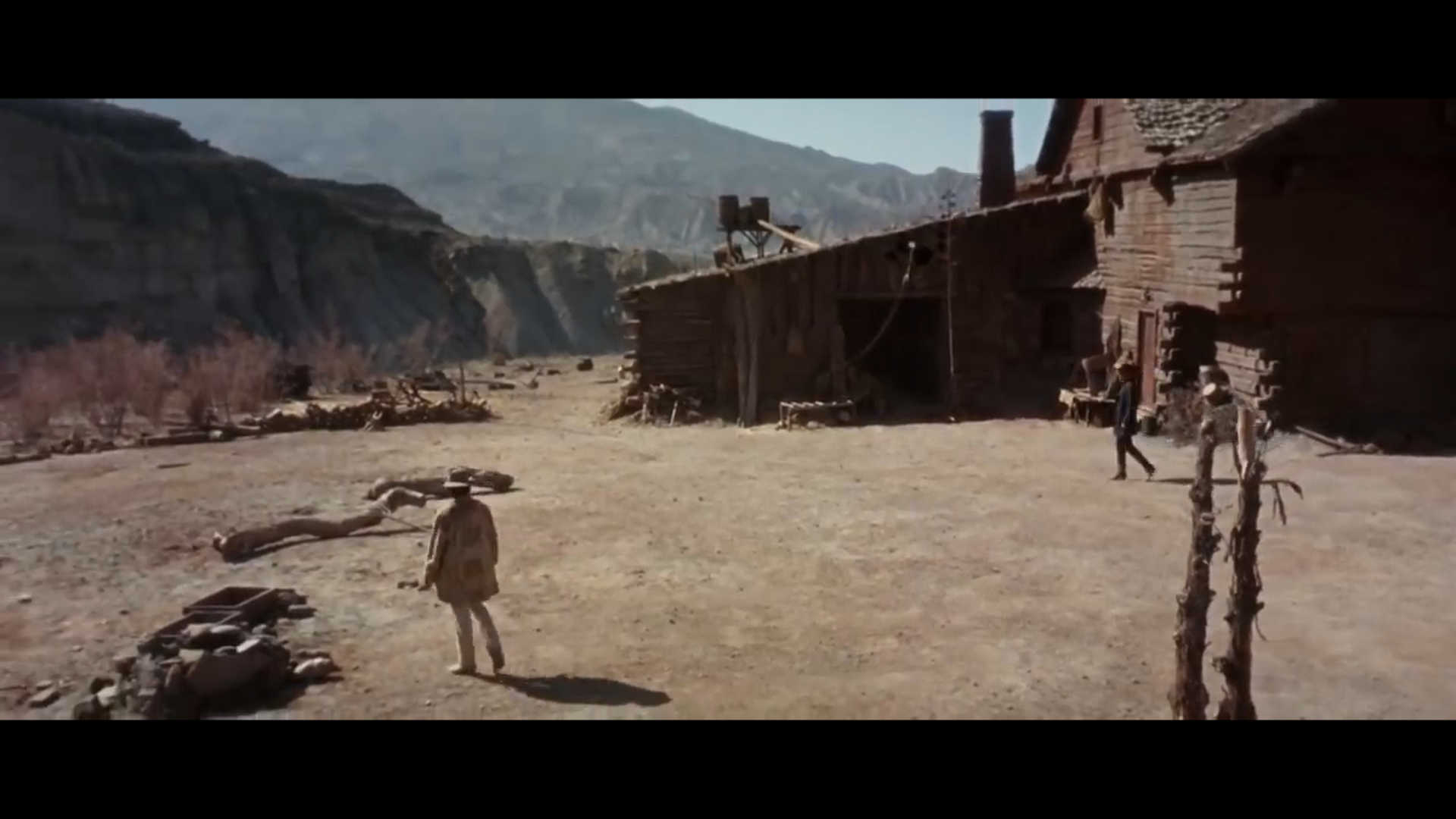

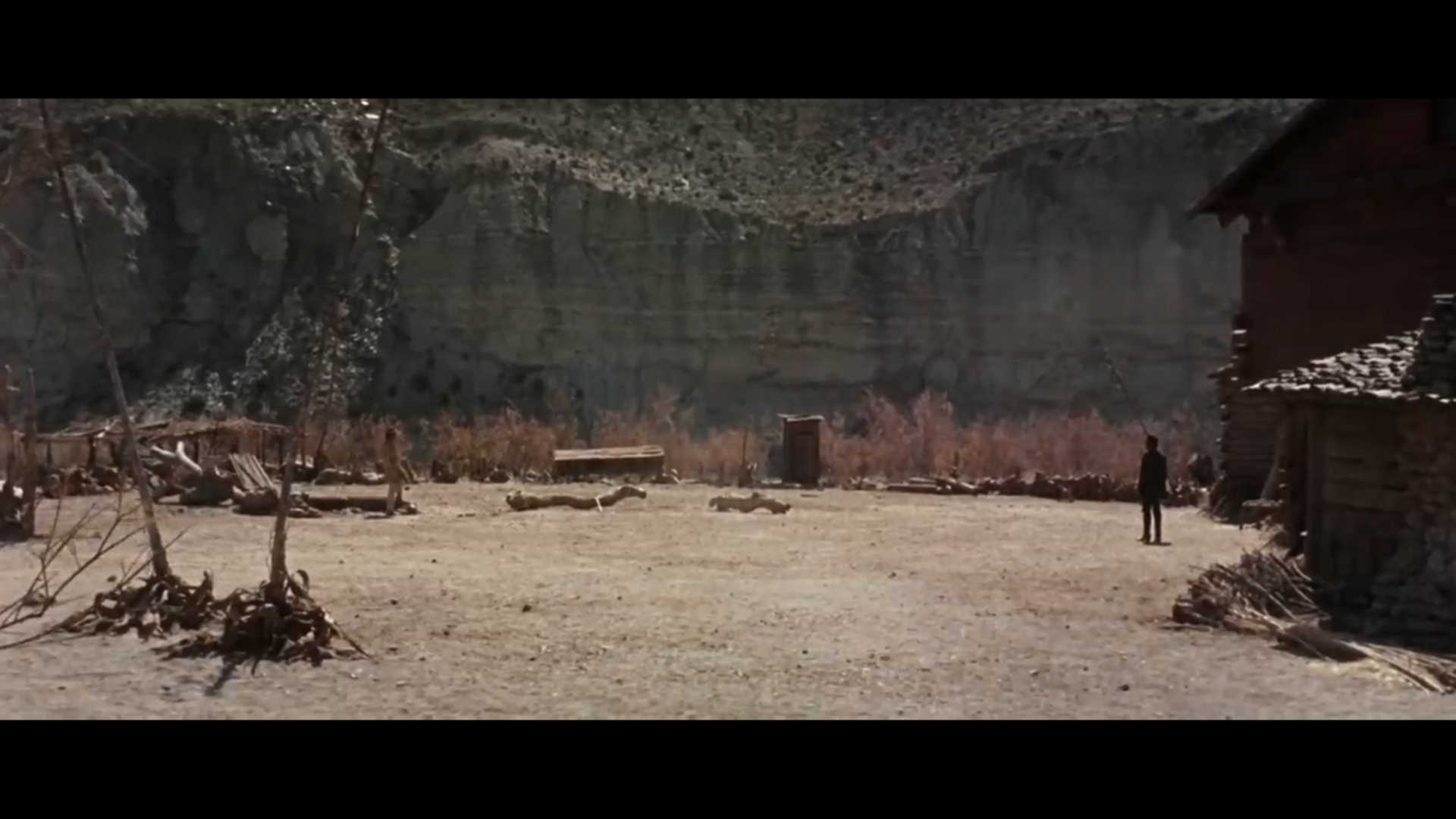
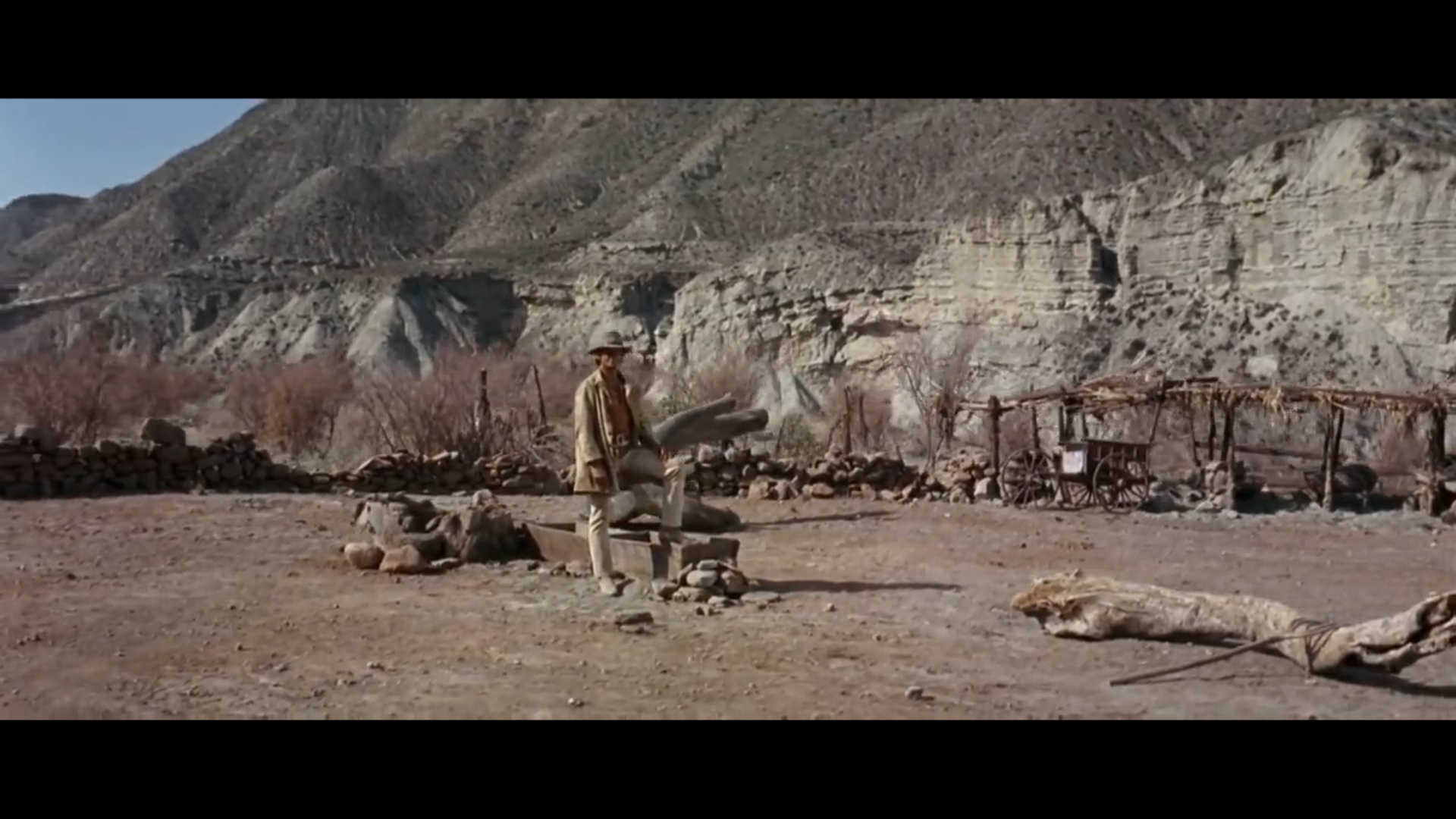


Our position matters. Just as people say first impressions matter, it also matters where you stand to make that impression from.
3D Space and how we feel about it
When you watch a film and see multiple camera angles, you get different points of view. If these angles are chosen wisely by the filmmaker, it enriches your experience to the point where you feel you’re more intimate with the world.
Not only do you empathize better with the characters, you also feel the space. You can’t walk through a bar in a two dimensional frame. But a series of shots from different angles gives you a more intuitive understanding of the geometry of the scene. You might just be seeing pieces of it, but your brain will fill in the rest.
The actors appear more three dimensional, and the space they occupy come to life as well. All this makes the scene more real.
Imagine you’re ten years old, sitting in a classroom, while the teacher approaches you. They appear huge and threatening. What if you placed the camera at a lower angle? Can you make your actor more intimidating?
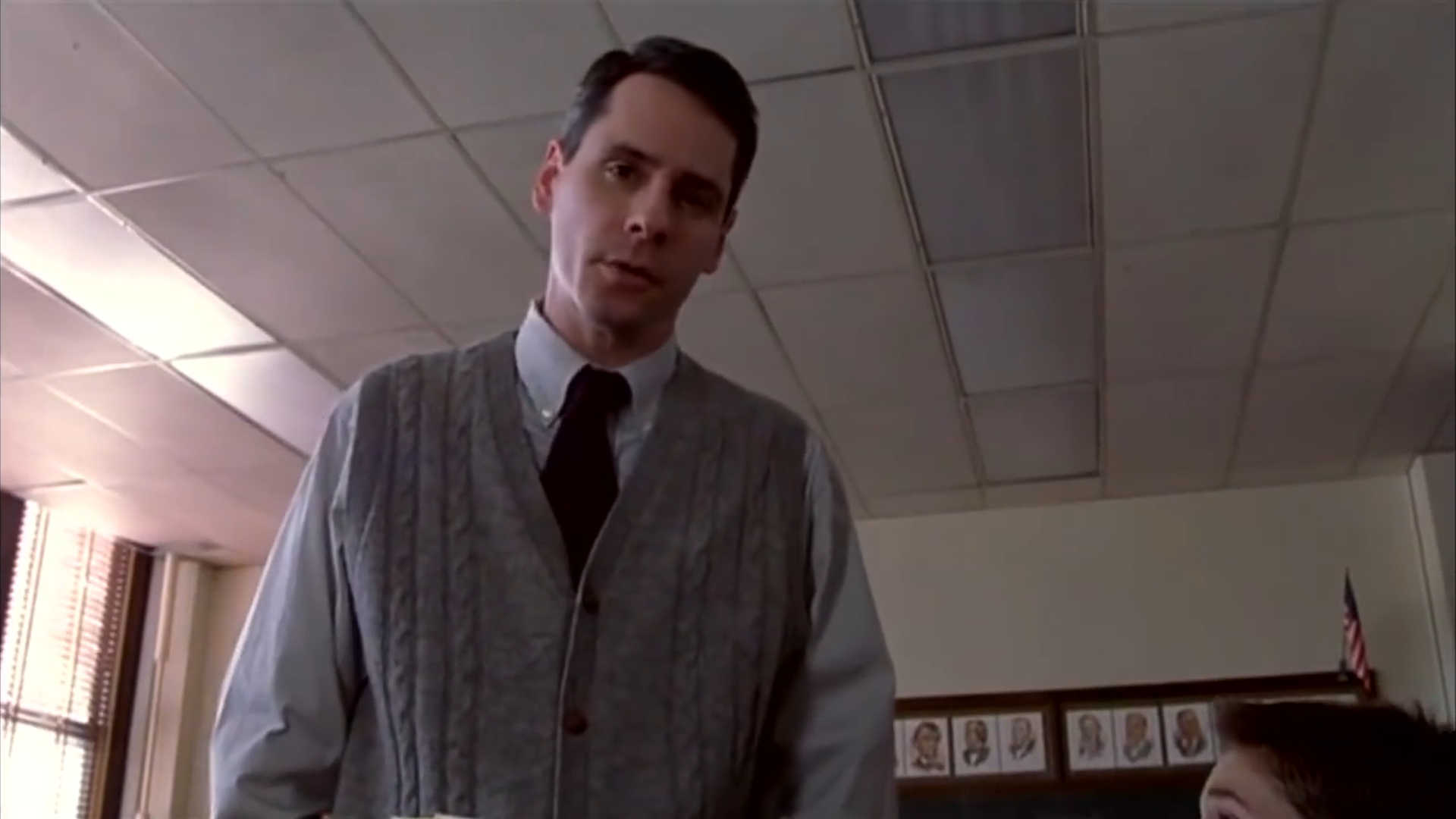
Now imagine you’re looking down on a child. They appear vulnerable:

What if you placed the camera at a higher angle? Can you make a threatening actor vulnerable? You can go a whole lot higher and get a bird’s eye view.

Things sure do look small and different from high up. You might have seen your house a million times, but seeing it on Google Maps for the first time from above is still exciting. The angle matters.
When filmmakers talk about camera angles, the position of the camera is just one aspect of it. In cinematography you can do a whole lot more. There’s this piece of glass on the front of most cameras that we call a lens.
The importance of the lens focal length
The lens has characteristics that can alter how reality is portrayed. E.g., you can stand in the exact same place and get two different camera angles, if you change the focal length.
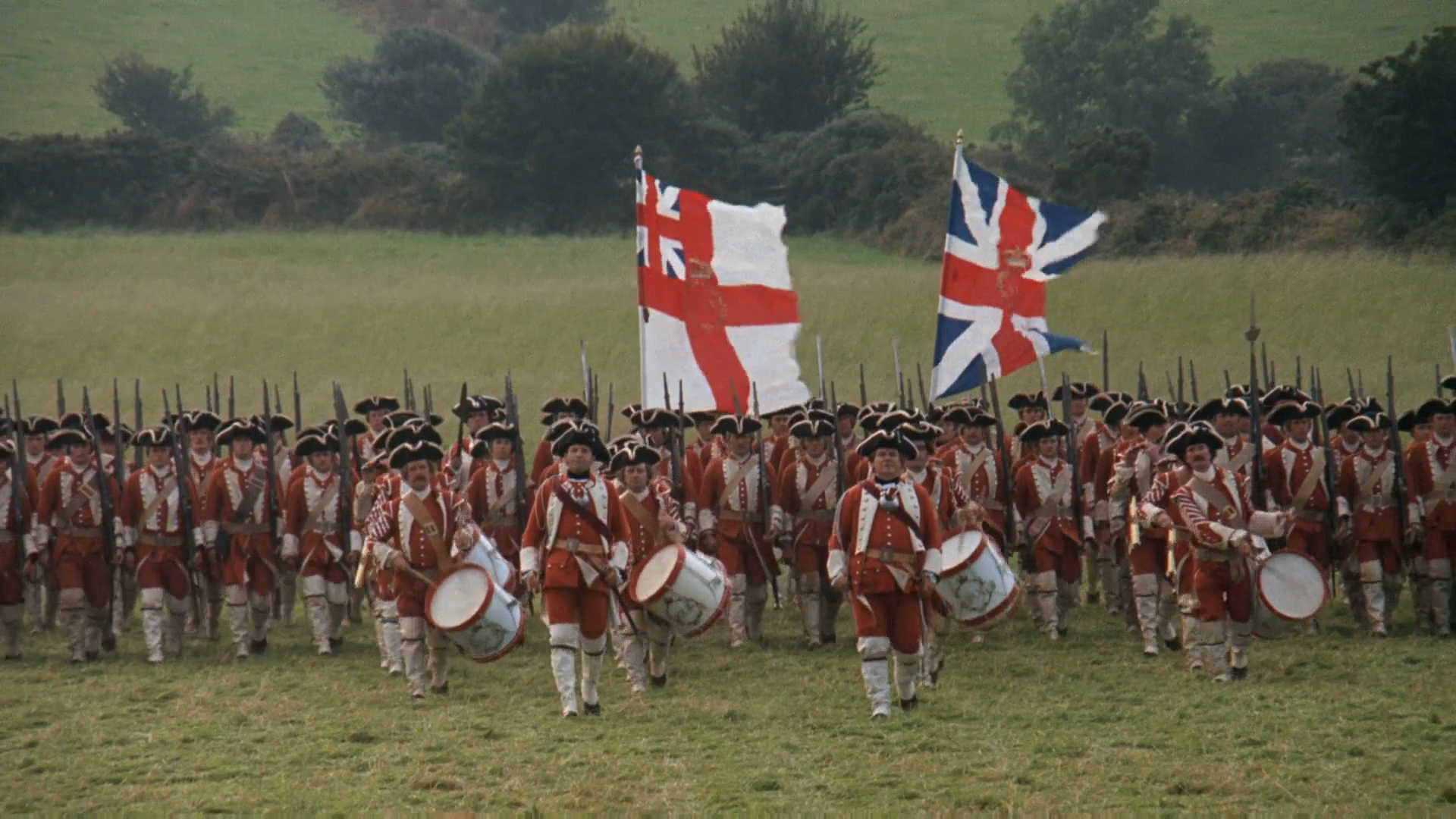
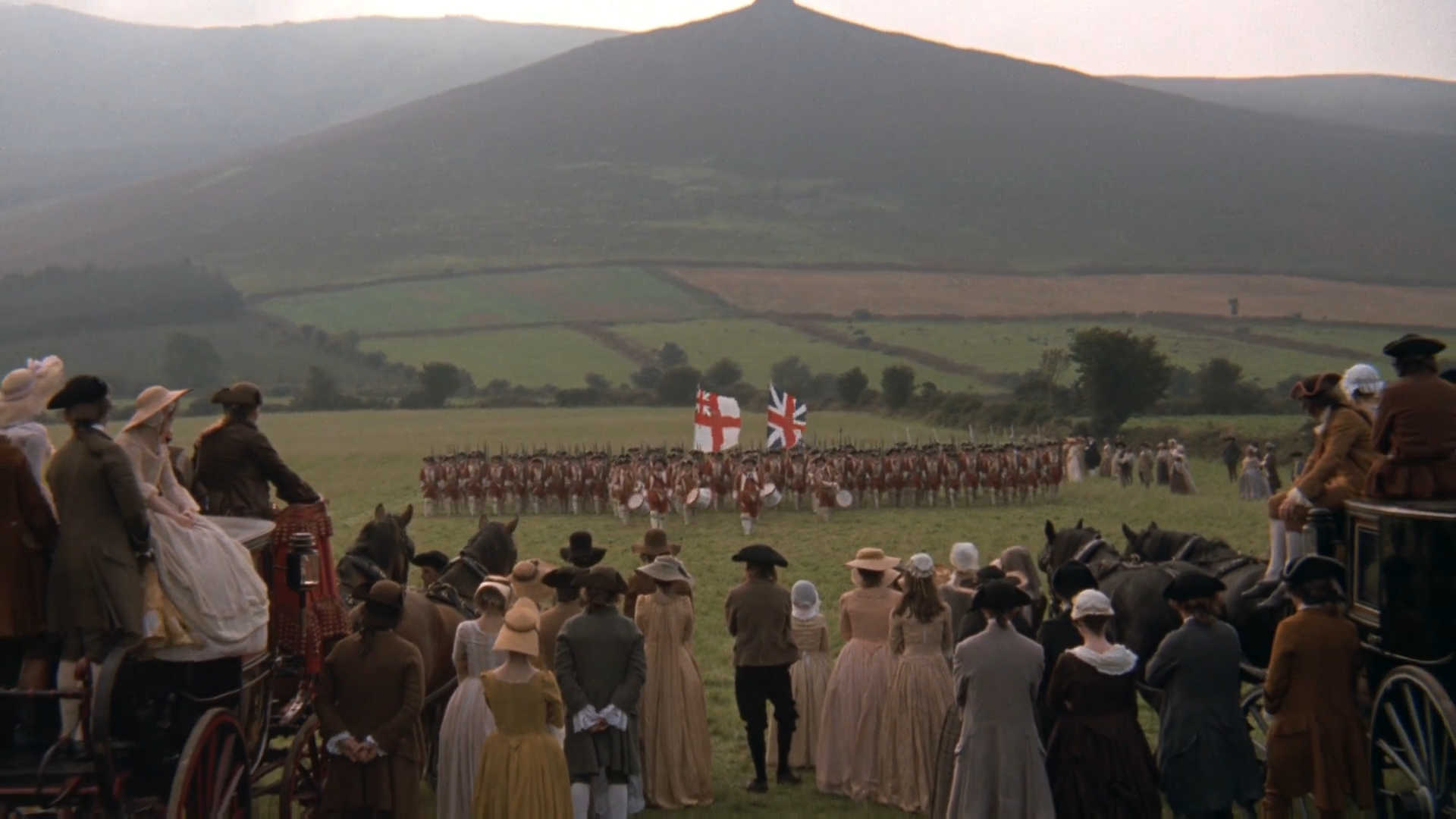
If you use what is called a wide angle lens, you see more in the frame. It’s really interesting, because we can take in a lot with our eyes from where we stand. It’s almost a 180-degree field of view. But we don’t feel that. We feel most of our vision is concentrated in the center somewhere.
A medium focal length comes close to what the human eye thinks it sees. There is no exact equivalent, but conventionally it’s somewhere between 35mm to 50mm on a full frame sensor.
If you use what’s called a telephoto lens, you get an even tighter shot. It focuses your attention on the actor and not the surroundings. The difference is striking, and important.
Having different focal lengths and lenses is useful because space is at a premium. You can’t always go too far or get too close to your subject, so you need lenses that can show more or get you closer. Lenses let you achieve shots you can’t get otherwise.
The change in focal lengths also changes the geometry of how a scene is drawn. Wide angle lenses have something called barrel distortion. The wider you go, the wider it feels.
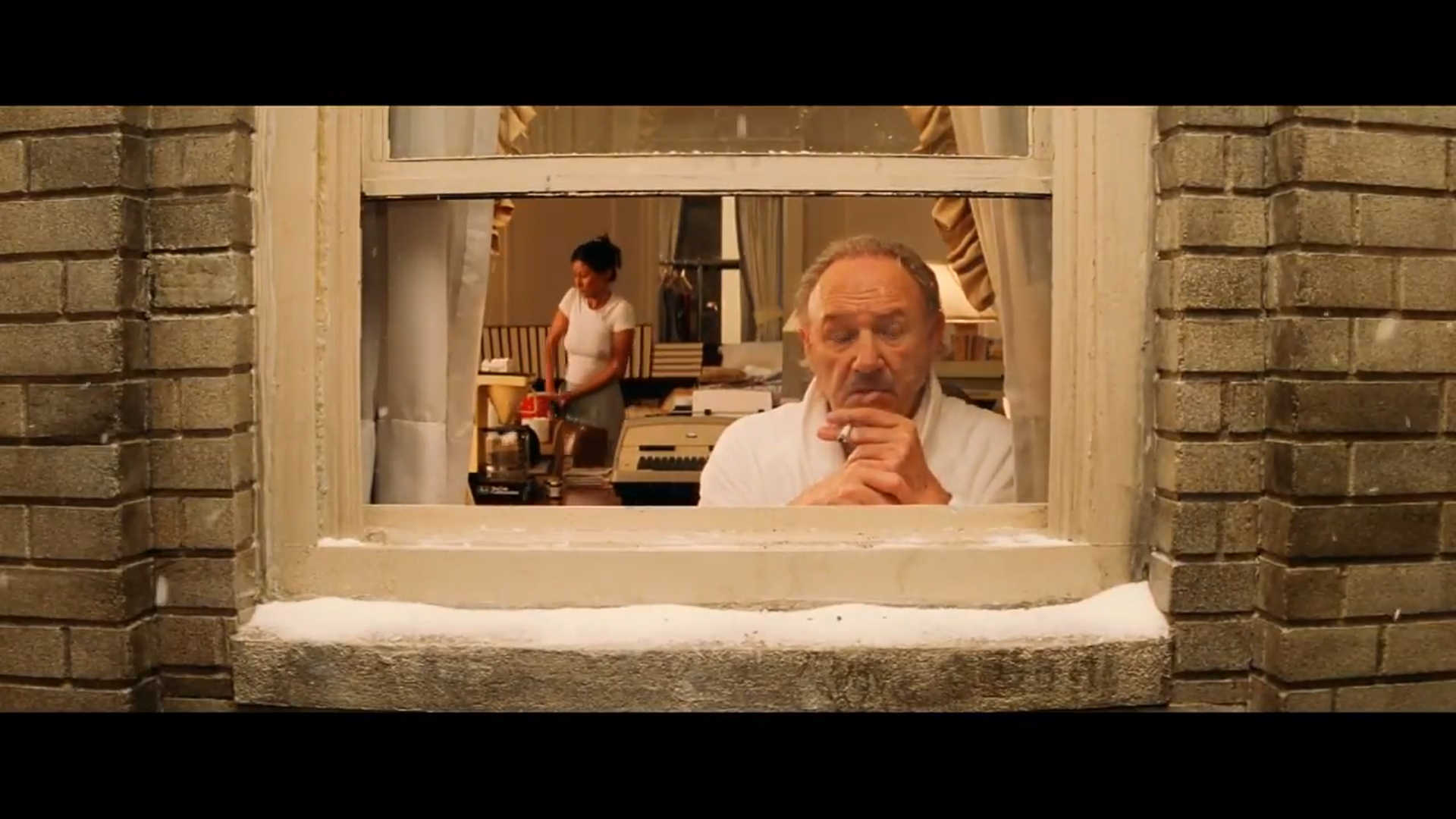
On the other hand, telephoto lenses have what’s called pincushion distortion. The effect isn’t as pronounced as barrel distortion, because good lenses typically keep this at a minimum.

Many portrait photographers use telephoto lenses to make their subjects appear thinner.
There’s more. With telephoto lenses the distance between the subject and the background appears different.
In a wide angle shot the background appears further back, even if it isn’t. In a telephoto shot the background appears a lot closer, even if it isn’t. This has huge repercussions.
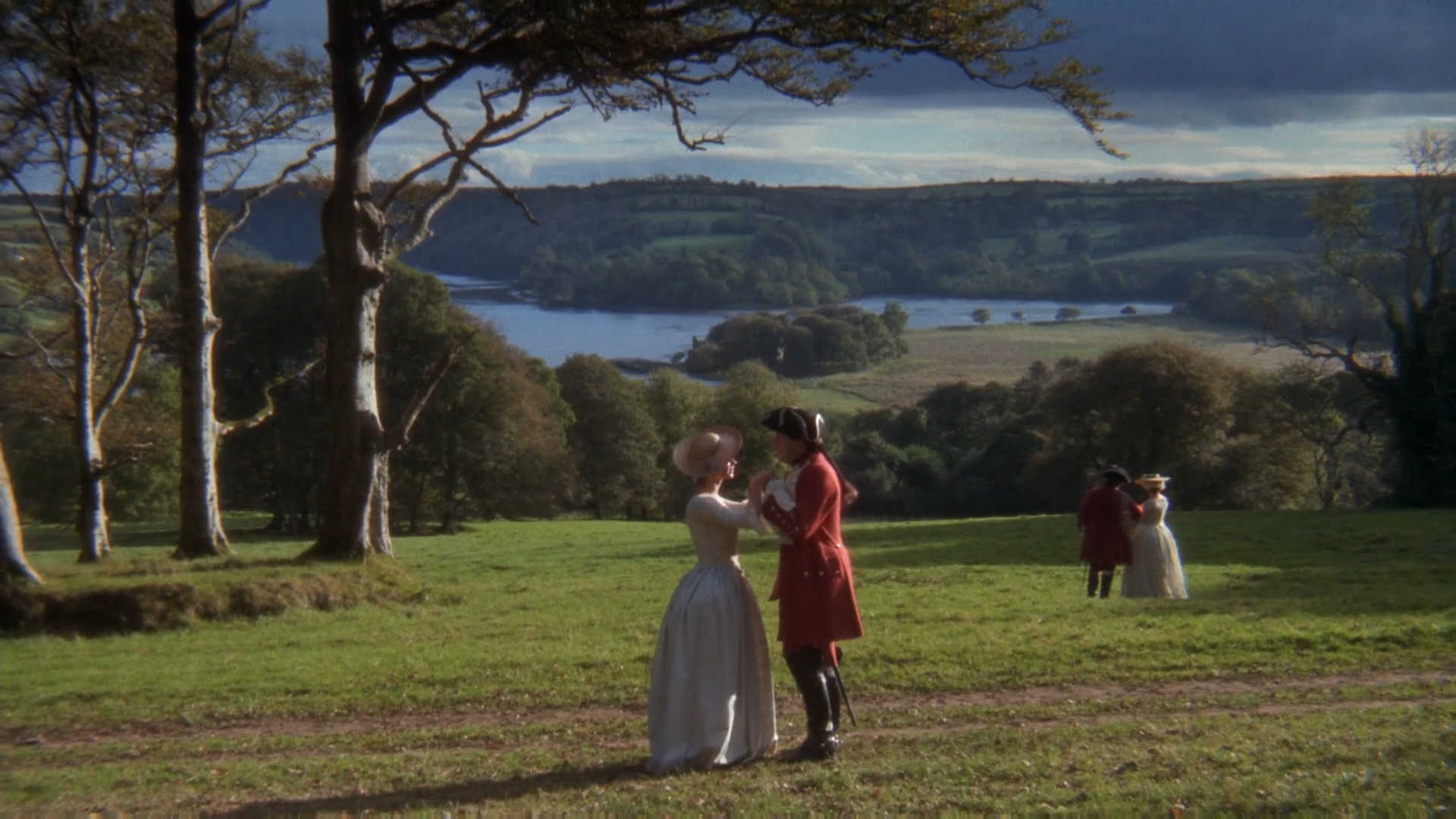

Lenses, like paint brushes, offer filmmakers a way to change how they want the audience to feel about a scene or character. Steven Spielberg likes to use wide angle lenses. This shows us more of the background and gives his films a more realistic grounding than others.
On the other hand Akira Kurosawa used telephoto lenses more, and this made the backgrounds imposing and powerful. It gave the actor’s position and presence more importance than what you would have perceived if you were on set not looking through the lens.

This also affects movement. Wide angle lenses can make characters appear to move faster, because we feel they’re covering more distance. On the other hand, if a character is walking towards the lens with a telephoto focal length, it’s like they’re on a treadmill going nowhere. Telephoto lenses make characters running across the frame appear faster, because they seem to be covering more ground due to the parallax effect. Wide angle lenses make them appear slower across the frame.
All these variations are possible with just the focal length. But it doesn’t end there.
How lens aperture affects camera angles
Lenses also have an aperture. By closing down the aperture you get greater depth of field. Directors like Orson Welles used deep focus to make everything from foreground to background sharp and recognizable.

This is how most people see reality. You don’t see blurry backgrounds, unless you’ve bumped your head on your camera, or if you’ve had two too many.
The modern trend is to keep the aperture wide open. This blurs out the background.
Modern films like Joker used this technique to isolate the central character from his surroundings so the feeling of loneliness was overwhelming.
Deep focus allows you to always have the background present, so it becomes a part of the story. Blurry backgrounds allow you to hide poor backgrounds. This is a huge reason why most low budget television shows and films use some amount of blur to take your attention away from imperfect locations or art direction. Most cinematographers stay in a happy medium between a blurred background and deep focus.

You can see where the characters are, and this raises your awareness of the space they occupy. But because they are sharp and the backgrounds are not so, they pop and appear more three dimensional.
The positioning of actors relative to the camera is called blocking. They could move or stay still, or do both. The camera could move or stay still, or do both. It’s all a dance.
Why do we have so many Camera Angles in Cinematography?
By clever blocking, different focal lengths and different apertures, filmmakers can tremendously change how a scene plays out.
We, as the audience, can’t really move relative to the cinema screen, so we must tacitly accept the filmmaker’s version of this reality. We are just passive participants here, because we paid to watch the film.
It’s just like a sports game, where the ticket you buy gives you access to a certain seat. I’ve seen sports from up close and far away. The experiences are different. The experience of watching a game at home from multiple camera angles is even more different. That’s what filmmakers try to give you with different camera angles.
Camera angles are a presentation of the story from points of view to highlight what filmmakers think are the most important elements of the scene.
Sareesh Sudhakaran
When it works, the effect is magical. It transports you into a new and immersive world, with characters you can relate to, in spaces and locations you’re taken along with, on adventures you dare not look away from, and moments you want to watch over and over again.
That’s the magic of camera angles.
Next time you watch a movie that completely sucks you in, give a silent nod, or a standing ovation, to the filmmakers that made it happen.

Always indepth and interesting stuff from Sareesh. Thank you very much for keeping on ’n on!
You’re welcome!