

In cinema, the close-up holds a revered place, celebrated for its profound impact on storytelling. This article delves into the intricate role of close-ups in cinema, unpacking their multifaceted contributions to filmmaking and exploring why they are considered an indispensable element by directors worldwide.
If you like, watch this video first:

Why do close ups work?
The historical roots of the close-up trace back to the early days of cinema. Visionary directors like D.W. Griffith were quick to recognize the close-up’s ability to convey subtle emotions effectively, marking a dramatic shift from the broad, stage-like shots that dominated early films.
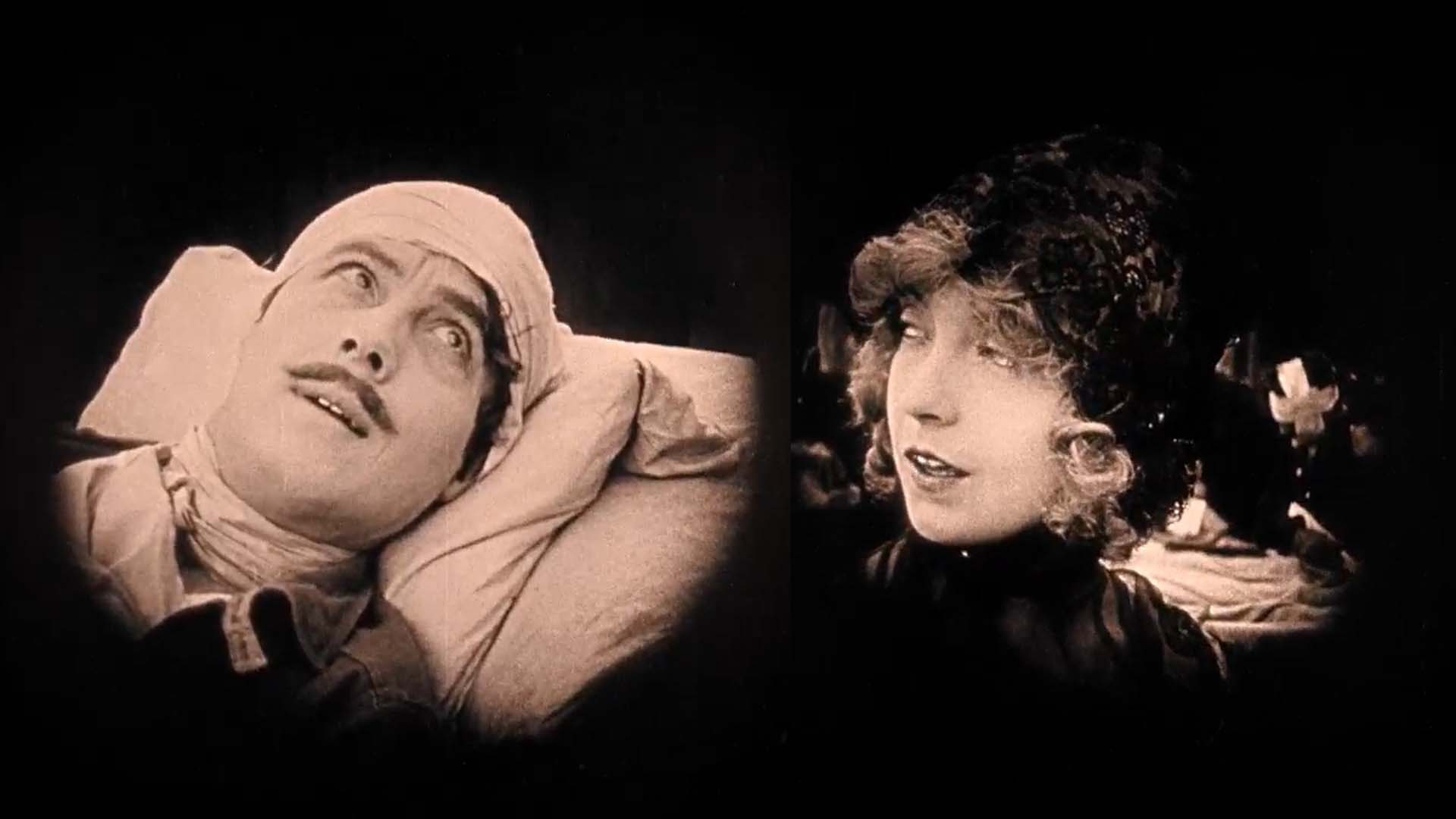
This technique brought audiences closer to the characters, creating a personal connection that was unprecedented in visual storytelling.
One of the most striking examples of this is found in Carl Theodor Dreyer’s The Passion of Joan of Arc.

The film is famous for its intense use of close-ups on Renée Jeanne Falconetti, whose portrayal of Joan reaches profound depths of emotional and spiritual fervor. The close proximity creates a tangible intimacy, almost palpable, as viewers feel every nuance of Joan’s suffering and resilience.
The true power of close-ups lies in their ability to foster empathy. The slightest movements – a twitch of an eye or a tremble of the lips – draw viewers deeply into the character’s experience. This magnetic pull not only enhances emotional engagement but can also lead to viewers falling in love with the characters, underscoring the role of close-ups in the rise of film stars.
Yet, why do close-ups resonate so strongly in film when they are not a natural part of how we view the world? The answer lies in a concept known as Boundary Extension.
Boundary Extension causes people to perceive and remember scenes as having wider boundaries than the framed shot.
Close-ups encourage viewers to imagine beyond the visible, filling in the blanks with their minds, which enriches the viewing experience.
Directors often leverage close-ups alongside wider shots to construct a mental map of the scene, similar to how we navigate real-world spaces. This technique of starting with a close-up and then expanding the view is particularly effective in creating suspense or surprise, a staple in horror and thriller genres.
Furthermore, the strategic use of close-ups goes beyond faces. A shot focused on hands can communicate tension or tenderness, and objects captured in close-up often assume symbolic significance, adding layers to the narrative without words.
The proximity principle explains why close-ups have such a profound impact on viewers. Developed by social psychologist Theodore Newcomb, it suggests that physical closeness can foster emotional bonds.
In film, frequent close-ups of key characters build familiarity and empathy, enhancing the viewer’s emotional connection and investment in the character’s journey.
Legendary director Alfred Hitchcock once said that the most important element in a scene should be the most prominent on screen.
This principle highlights the directive power of close-ups – they command where viewers should focus their attention amidst a bustling scene, clarifying what is crucial within a busy narrative landscape.
Close ups also work because they are useful. Let’s dive into that.
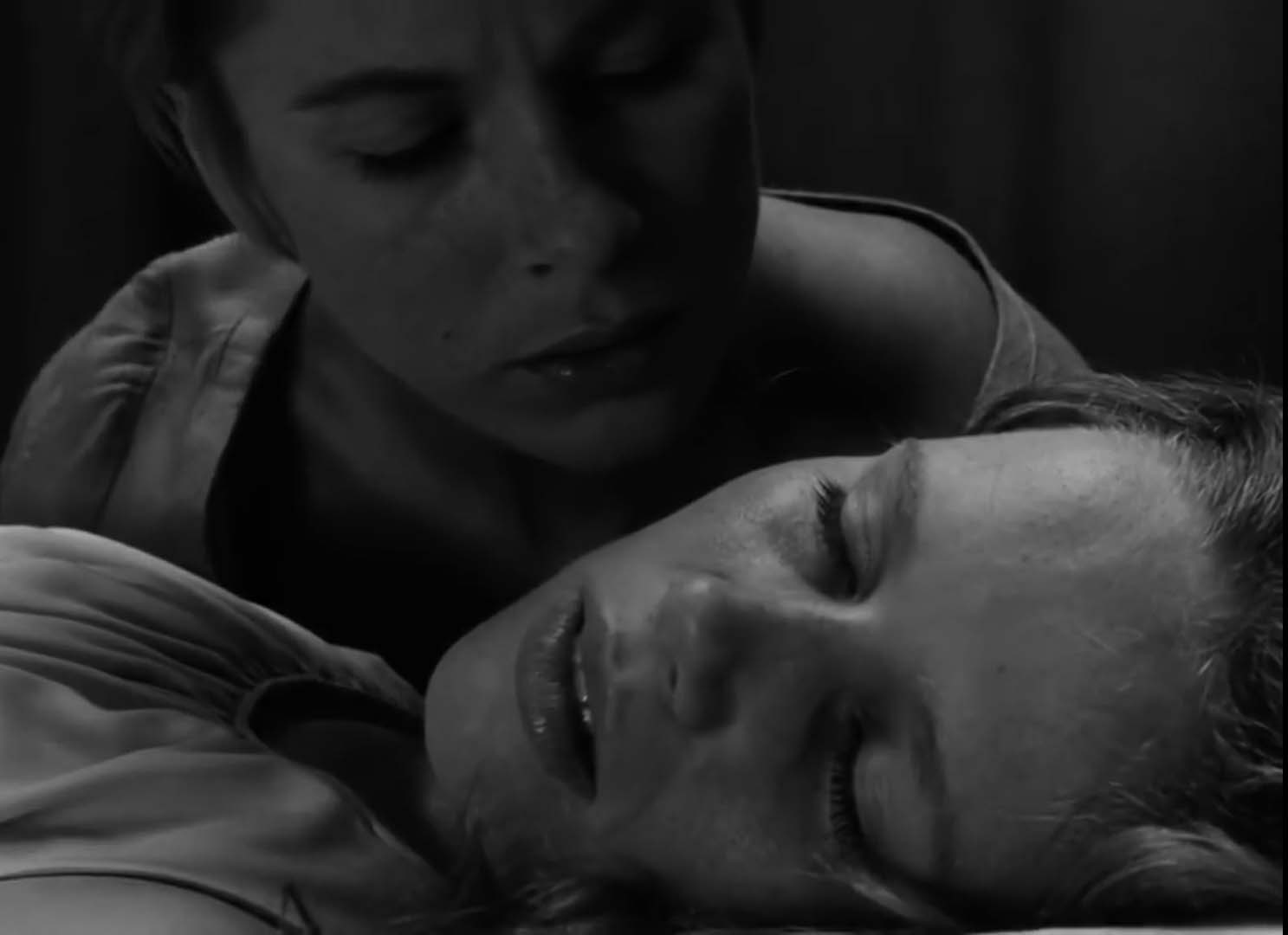
Creating a connection via the Emotional Bridge
A close-up serves as an emotional conduit between the audience and the characters. By focusing on a character’s facial expressions and minute gestures, close-ups have the power to pull viewers into the emotional undercurrents of the scene.
This visual intimacy allows the audience to perceive subtle emotions, maybe a flicker of anxiety, a flash of joy, or a shadow of doubt.
This connection is vital for character development and also for audience engagement, fostering a deeper emotional investment in the narrative.
Highlighting the Details: Enhancing Narrative Precision
Filmmakers often use close-ups to spotlight crucial details that might be lost in wider shots. Whether it’s a tear falling down a cheek, a tense grip on an object, or a fleeting smirk, these details are pivotal in adding layers of meaning to the story.
Close-ups can magnify small but significant elements, like a smoking gun or a glance between characters, thereby enriching the narrative fabric of the film.
Amplifying Intensity: Focusing Viewer Attention
The use of close-ups can dramatically heighten the intensity of a scene. By narrowing the field of view to a single focal point, directors can amplify the emotional tone of the moment.
This focused approach directs the audience’s attention precisely where the director intends, making every subtle nuance and emotion felt more deeply.
It’s a powerful method for elevating the dramatic tension within a scene.
Aiding Story Comprehension
Close-ups are not just about visual intimacy or emotional depth; they also play a critical role in clarifying the narrative.
In complex scenes with multiple elements, a well-timed close-up can draw attention to aspects that are crucial for understanding the plot’s progression. This selective focus helps maintain a clear and effective narrative flow. This ensures that key story developments are conveyed with precision.
Understanding Spatial Dynamics
Close-ups can expand it by establishing a clearer sense of space and time. When paired with wider shots, close-ups help create a dynamic spatial understanding that enhances the storytelling.
This technique allows audiences to appreciate the broader setting while still focusing on the detailed emotional or narrative elements that close-ups reveal.
Heightening Suspense
In the thriller and horror genres, close-ups are indispensable for building suspense and tension.
A tight close-up on a character’s eyes, for example, can convey fear, anticipation, or shock, directly transmitting these emotions to the audience. Such uses stir the viewer’s imagination, often making the unseen more frightening than the seen, and effectively pull the audience into the heart of the action.
Adding Deeper Meanings: Adding Layers of Interpretation
Close-ups often imbue objects or gestures with symbolic significance, adding depth to the film’s thematic elements.
A repeated close-up of a wilting flower, for instance, might symbolize decay or despair. These visual symbols serve as crucial narrative devices that enrich the storytelling by weaving deeper meanings into the visual narrative.
Showcasing Performances
The close-up is a testament to an actor’s skill, capturing the intricate details of their performances. It allows actors to convey their characters’ complexities in a profoundly personal space that the stage or wide shots cannot match.
This focus on minute expressions and subtle movements can be pivotal in portraying psychological depth and emotional resonance.
Influencing Mood and Tone
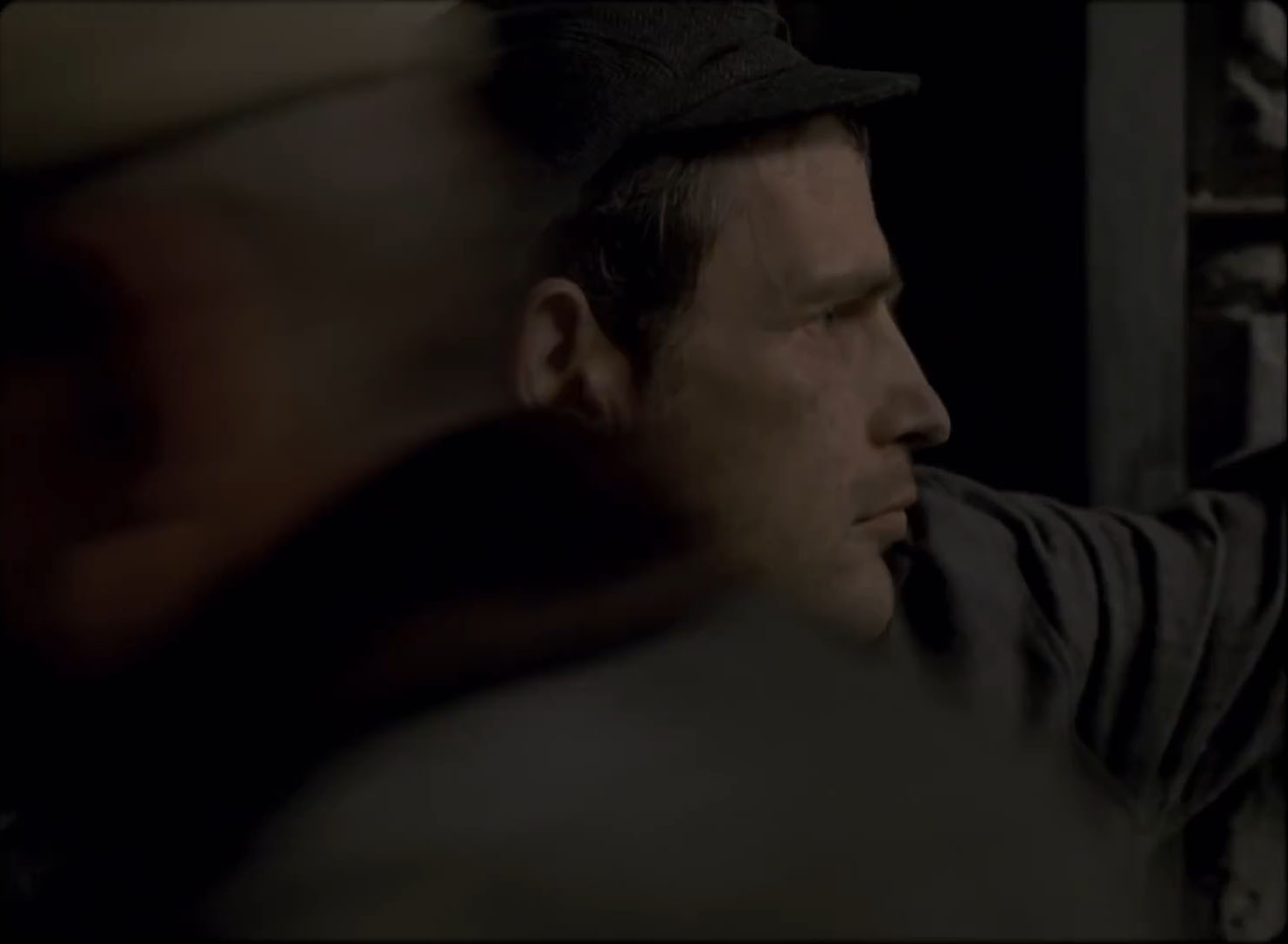
Directors also utilize close-ups to craft a distinctive aesthetic style that can define the look and feel of a film. These shots can significantly influence the mood and visual identity of a cinematic work, contributing to its unique stylistic fingerprint.
A couple of good examples are Son of Saul:
Engaging the Audience
Close-ups demand the audience’s undivided attention, making the cinematic experience intensely personal and more memorable. By compelling viewers to engage with the film at a closer, more intimate level, close-ups ensure that the narrative has a lasting impact.
The persistent reliance on close-ups by filmmakers underscores their irreplaceable value in cinema.
They enhance narrative depth, boost emotional resonance, and amplify visual impact, proving essential in the art of cinematic storytelling. Through close-ups, filmmakers not only tell a story but also invite the audience to feel and experience the emotional and visual vibrancy of cinema at its most profound.
How to frame a close up
Step one. The Eyes.
It’s all about the eyes.
Notice something. The eyes are almost always above the center line. You can break this “rule” if you want, but you’d better have good reason. For most times, the eye stays above the center.
You could follow the rule of thirds and keep the eye on the upper third line, or just go with your gut. I don’t follow the rule of thirds, and plenty of filmmakers don’t either. Here’s a tip: Focus on the eyes, not the line. You’ll know.
Step two. The mouth.
Keep it inside the frame.
You don’t want to cut out the mouth. Most times the character is saying something, but here’s the thing: The mouth is an important visual cue to what the actor is feeling. Cutting it off feels unnatural.
Again, you can break this on purpose. But don’t cut off the mouth if you don’t understand why you’re doing it.
Step Three. The chin.
There are two schools of thought here. You could keep the entire chin inside, or you could chop off the chin a bit.
This isn’t really an either-or situation. It’s a matter of taste. How close do you want to go? You might not want to cut off the entire chin, just nip it a little and the face seems balanced in the frame.
I typically like to keep the entire chin in the shot, go with what feels right to you. One trick you can use is to take multiple portraits of people, and don’t think about it. Later, study them, maybe your subconscious mind will tell you what you really like.
Step Four: The forehead.
This is also a matter of taste. Some directors like to keep the entire head. Others like to chop off the forehead. I like to chop off the forehead.
Both work, just make sure you don’t chop off any other portion, unless you have good reason to. Actors move sometimes, so don’t stay too rigid. Sometimes it’s important to ask them to stay completely still during a close up. But if you over do it they might just punch you in the face.
Step Five: The focal length
Wide angle lenses tend to distort the face. Telephoto lenses keep it realistic and pleasant looking. You could use both, but not at the same time, that will look tacky.
Step Six: Focus point
Focus on the nearest eye, if the actor is turned slightly, or focus on both eyes, if they’re looking straight on.
A bonus tip:
Use close ups when your actor has great expressive eyes. Even if they are not great actors, if they have interesting eyes, the close ups will be good. Use close ups if your actors are, to put it kindly, interpreting the scene in a way that makes you want to tear your hair off.
Use close ups, because that’s what Sergio Leone did.

2 feet from the face is enough but 2 inches are ridiculous
Maybe I missed it here, but close-ups (especially TCUs) convey intimacy to me. I am so close to the actor(s) that I cannot miss how they are feeling or expressing feelings and can actually become part of that moment.
To me, a compelling director/DP knows when to and not to use CUs, especially TCUs.
Thank you! The intimacy is forced. Works when you like the actor, otherwise very uncomfortable to watch.