

When First Blood opened in 1982, it wasn’t chasing size or spectacle. The story unfolds on a human scale: a man walks into a small town, meets a sheriff who wants him gone, and the situation spirals.
What’s on screen feels like it could have happened. Maybe still happens.
Watch the video:

Getting It Made
The film spent close to a decade in development. Scripts were passed around, names came and went. Carolco Pictures finally backed it, using a financing model built on selling distribution rights country by country before filming began. That guaranteed the budget and let the producers call more of the creative shots.
Stallone joined the project and reshaped the script. Rambo became more reserved, less a force of destruction and more a man worn down by experience. The original ending had him die; audiences rejected it. The reshoot left him alive, which gave the film a quiet, unsettled conclusion.
The Town and the Woods
Hope, Washington is the setting, but Hope, British Columbia is where the cameras rolled. The streets have nostalgia. Storefronts belong to the place. Bridges and alleys feel like they’ve been there for decades.
The surrounding forest is deep. You can’t tell one direction from another for long. That sameness works in the film’s favor, closing in on both Rambo and the audience. Even the crew had to watch their bearings between setups.
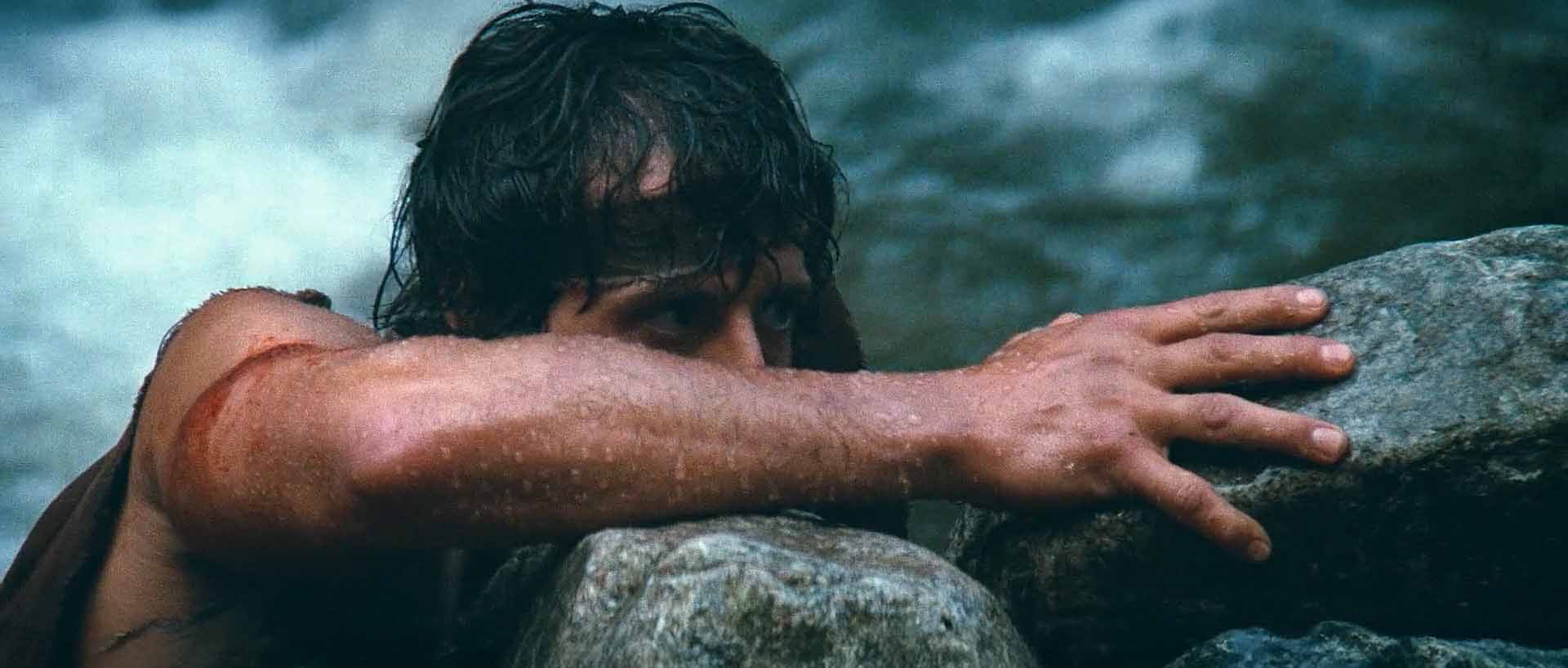
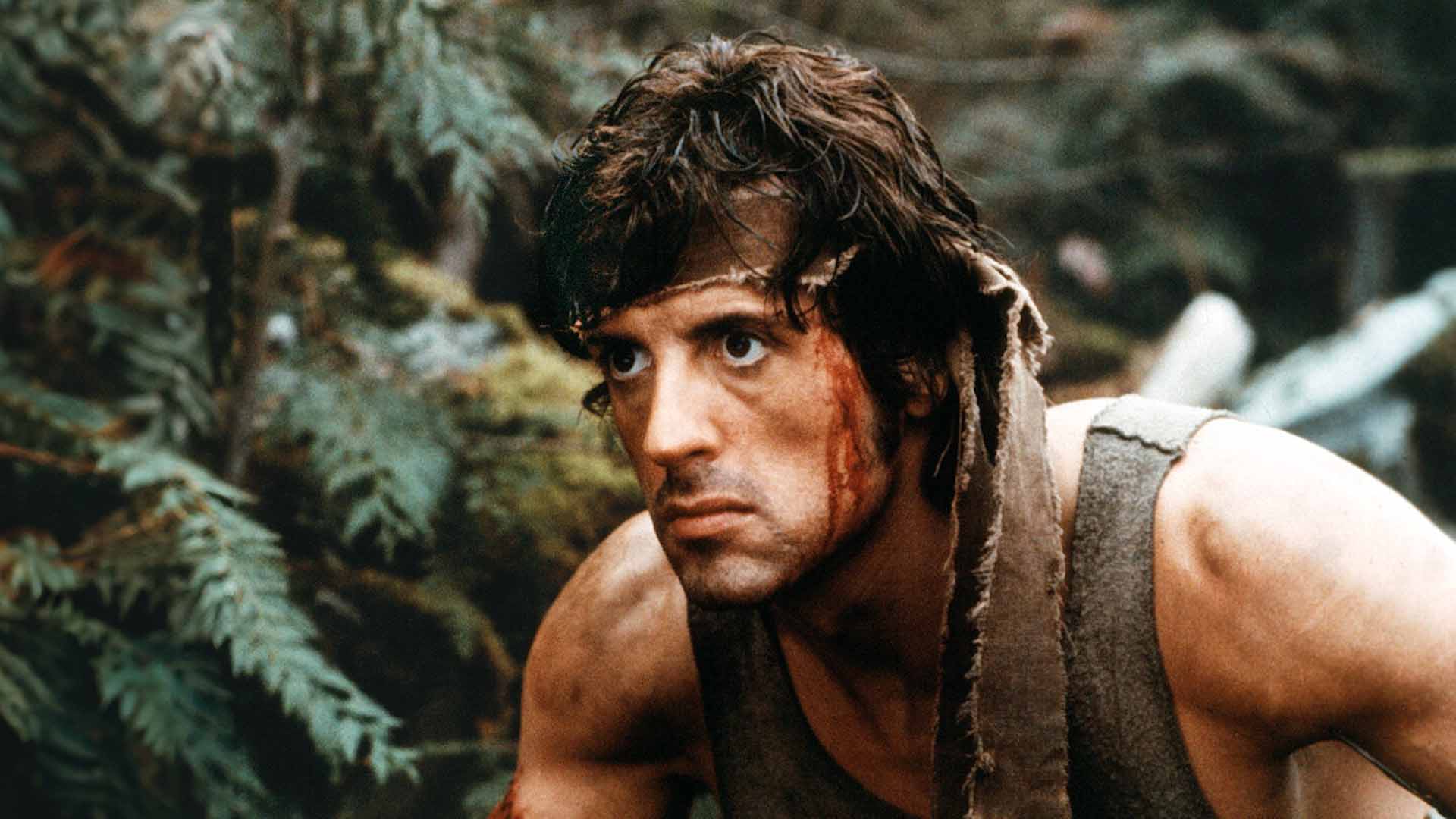
Rain and cold seep into every shot. Breath fogs in the air. Jackets pull at the shoulders from the weight of water. These aren’t set-dressed conditions – they’re what the actors and crew endured during filming. Stallone finds a rotten canvas and wears it in the film (it isn’t in the script). Rumor has it he still owns that canvas wrap.
Ted Kotcheff’s Approach
Director Ted Kotcheff kept his focus on people. Sheriff Will Teasle, played by Brian Dennehy, is stubborn and protective of his turf. Rambo is capable, volatile, and not looking for a fight. Neither man is presented as a symbol or caricature.
When the movie ends you’re not really sure who won. We’re just glad it’s over.
The Cinematography
Andrew Laszlo’s photography makes the geography clear. Moments end when they’ve played out, not when a pose looks good.
Film stock of the era handles color in a way digital rarely does. Greens of the forest and the muted tones of overcast skies roll gently into shadow. Light comes from practical sources – a desk lamp in an office, fluorescent tubes in a police station.
The camera stays close to eye level. It rides with vehicles, follows characters through brush, and pushes in only when the moment calls for it. When the image disorients, it mirrors the character’s own confusion, then reorients once control returns.
Post Production Choices
The first cut ran over three hours. The final version trims it to ninety minutes without losing the beats that define process and place.
Falls through trees look awkward because real bodies fall that way. Motorcycles land hard. The geography keeps scale honest; this is a small town and a forest that doesn’t forgive mistakes.
Sound comes first from the world itself – boots on gravel, branches breaking, the creak of gear under strain. Gunfire is sharp but not exaggerated. Sirens and radios sound like they belong to that place.
Jerry Goldsmith’s score adds weight without demanding attention. The main theme carries a thread of sorrow.
Performance and Casting
Stallone plays Rambo with control. He moves like a man trained to conserve energy and avoid waste. When he speaks at length near the end, it lands because the film has held that moment in reserve.
Dennehy’s Teasle owns his scenes without shouting. Richard Crenna’s Trautman arrives with authority that feels earned rather than declared. Every casting choice works toward the film’s grounded tone.
Authority and pride can turn small conflicts into lasting damage. Skills meant for war don’t fit neatly into civilian life. A person becomes a label, and the human detail falls away.
Modern productions have more tools to control weather, light, and setting. Those tools are valuable, but they change the rhythm. Scenes get shot for coverage rather than for place. Sound is filled edge to edge. Music points directly at the intended emotion.
Lessons for Filmmakers
Choose locations that influence how people move and react. Let the environment leave its mark on the image.
Show the audience the space before you put it under pressure. Light for the moment rather than for uniformity. Use sound from the location as the backbone. Build action on real physics.
First Blood works because it feels observed rather than staged. The film resists turning its ending into a statement. It simply stops where it needs to.
It’s not a formula to replicate. It’s a set of decisions made in service of the story, held together from start to finish. That’s why it still holds up, and why it’s worth studying for anyone who cares about how films feel when they’re honest.

I loved reading this article, so true and inspiring.
I saw this movie in the theater when I was 12 and it had a huge impact. You are right about the authenticity of the way this story was shot and portrayed. A lot of that is missing in today’s cinema.
Bobby
Thank you for sharing!