

Goodfellas stands as a masterclass in cinematography. And everything anchors around Henry, the main character.
The film’s visual style is driven by his point of view. Every shot is designed to reveal his emotions and inner world. Let’s explore how the camera work in Goodfellas shapes its narrative and draws us deep into his life.
Start by watching the video:

Goodfellas draws on influences from the French New Wave, particularly films like François Truffaut’s Jules et Jim. Scorsese planned every shot meticulously during the scripting stage. The result is a film that feels spontaneous but is in fact, carefully mapped out.
Newsreel-Style Learning
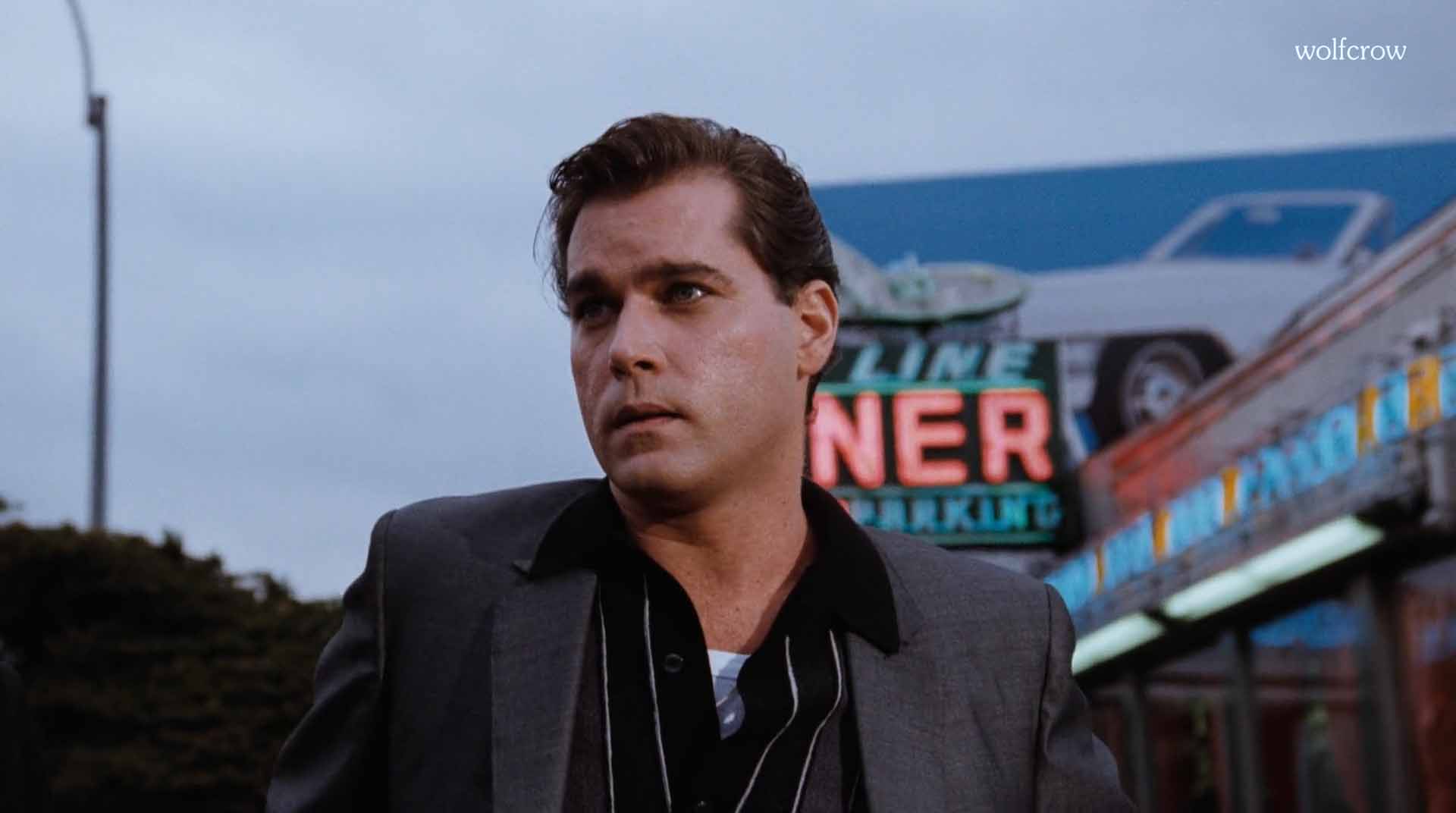
When Henry learns new things or explains his experiences, the camera moves like a fast-paced newsreel. Quick zooms, pans, and tilts capture the minute details of his environment.
It’s as if Henry is constantly scanning his surroundings for clues.
They used the legendary Cooke Varotal zoom lens (also used in Barry Lyndon and Alien) for these shots and the predominant lens was the Zeiss Super Speeds.
High Angle Shots
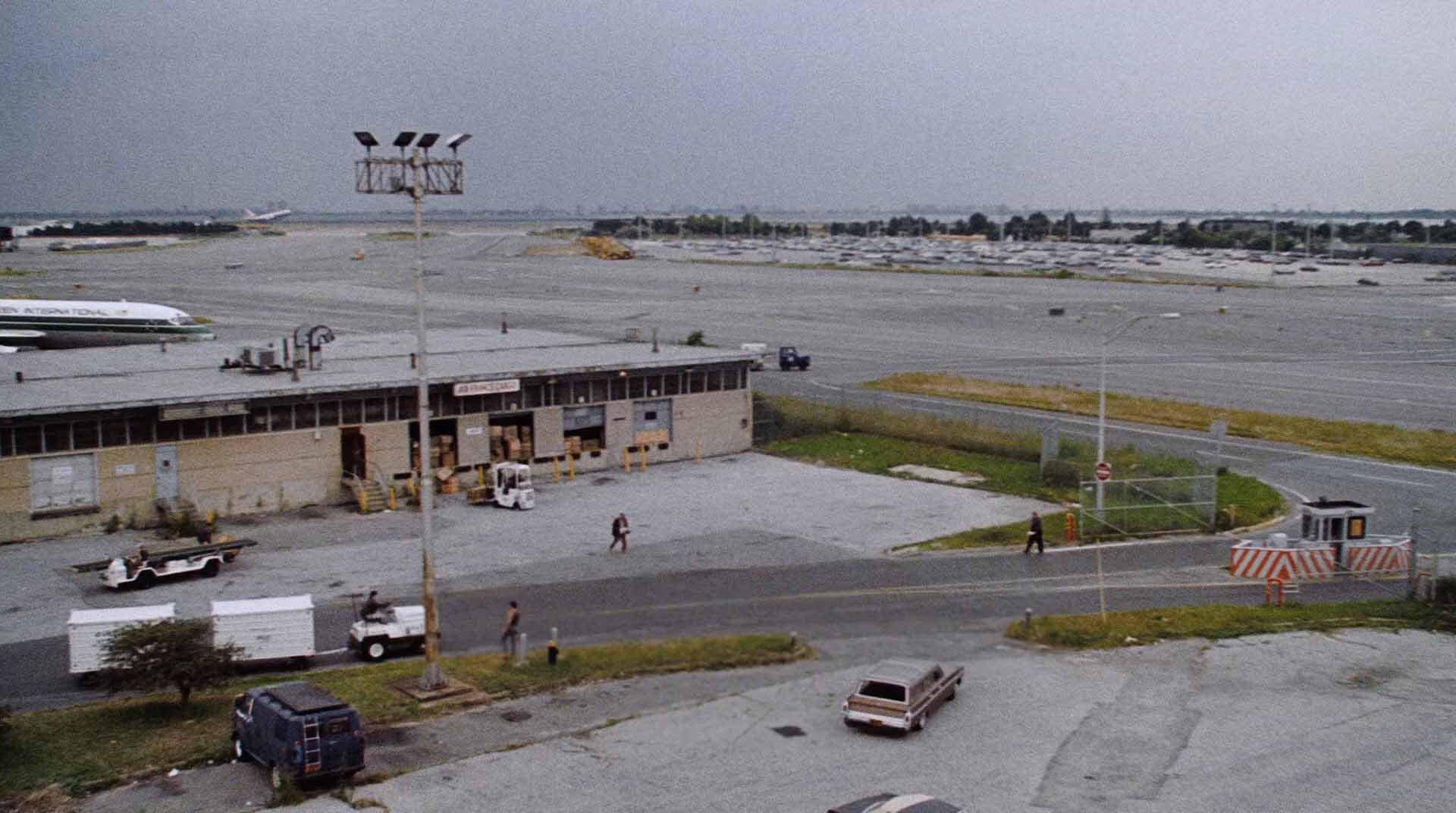
Many of the establishing shots and masters are taken from a higher camera angle. This “human-eye” view directly relates to how Henry sees the world.
It establishes him as both a participant and an observer. Without being aware of it consciously, we are guided into his world-view right off the bat.
Handheld Shots
When the balance of Henry’s life is disrupted and chaotic, beyond his control, the camera goes handheld. The resulting shaky, raw shots reflect his inability to deal with the situation.
These moments communicate his vulnerability and draws us into his anxiety.
Smooth Shots
When Henry is in control and confident, the camera dollies in on him, and is buttery smooth. The movement is steady and deliberate. This emphasizes his command over his surroundings.
Long, fluid takes highlight these periods of self-assuredness.
Long Takes
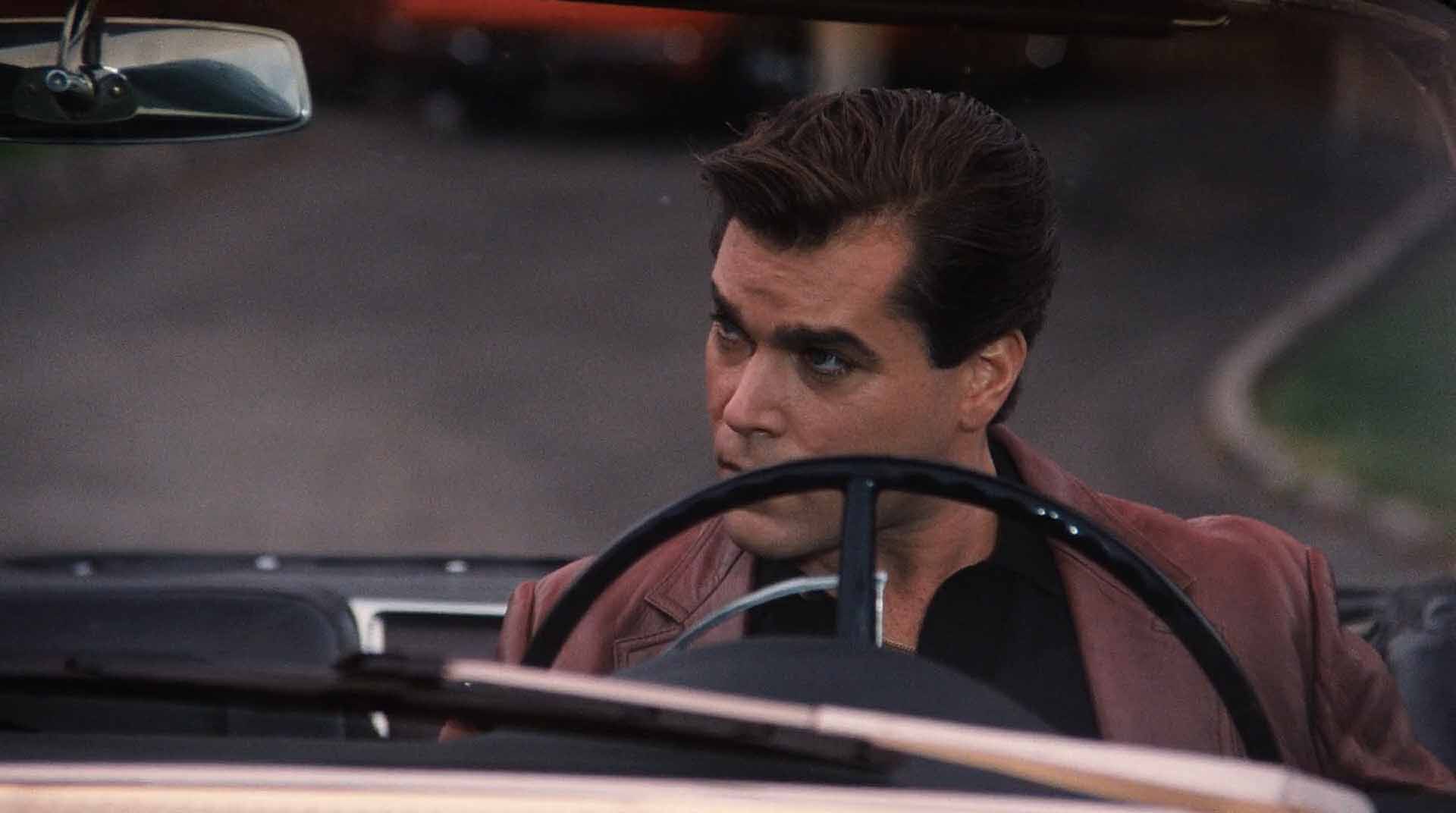
There are moments when long takes dominate the screen. One early example is the shot where everyone greets him until we reach the back of a kitchen.
Perhaps the most iconic example of Goodfellas’ camerawork is the Copacabana sequence. It starts on the busy street and flows seamlessly into the club with no cuts. This uninterrupted shot exemplifies how the camera tracks Henry’s journey with remarkable fluidity.
It creates an immersive experience into his world, where we are his guest, and this is how he is experiencing it at that point in time.
Larry McConkey, the film’s Steadicam operator, played a crucial role in capturing the action with an almost effortless precision. Focus pulls keep our attention fixed on what matters. Even minor intrusions, like the occasional boom microphone, do nothing to distract from the experience.

Quick Edits
When Henry is caught up in a burst of excitement, the camera work shifts dramatically. Quick dolly-ins and rapid cuts mimic the fast pace of his thoughts.
The editing becomes almost frenetic, flashing through a series of shots that mirror his mental state. These sequences give us a glimpse into how exciting and unpredictable his life is.

Freeze Frames for Lasting Memories
In moments of pure bliss or deep reflection, Goodfellas uses freeze frames. These shots lock in Henry’s most cherished memories as if time has stood still.
When he faces the camera directly, it is a demand for respect and a reminder of his core values. At the end, he directly interacts with the audience, breaking the fourth wall. However, it was already setup right from the first few scenes of the film. He’s the narrator, after all.

Over-the-Shoulder Shots and Confrontation
Respect among mobsters is a key theme in Goodfellas. Classic over-the-shoulder shots heighten the tension during critical conversations.
In the unforgettable “You think I’m funny?” scene, fixed framing amplifies the dramatic standoff. Later, similar techniques are used many times, mostly with the most powerful people in his life.
Early, they are in control; later, Henry starts to manipulate them.
Lighting
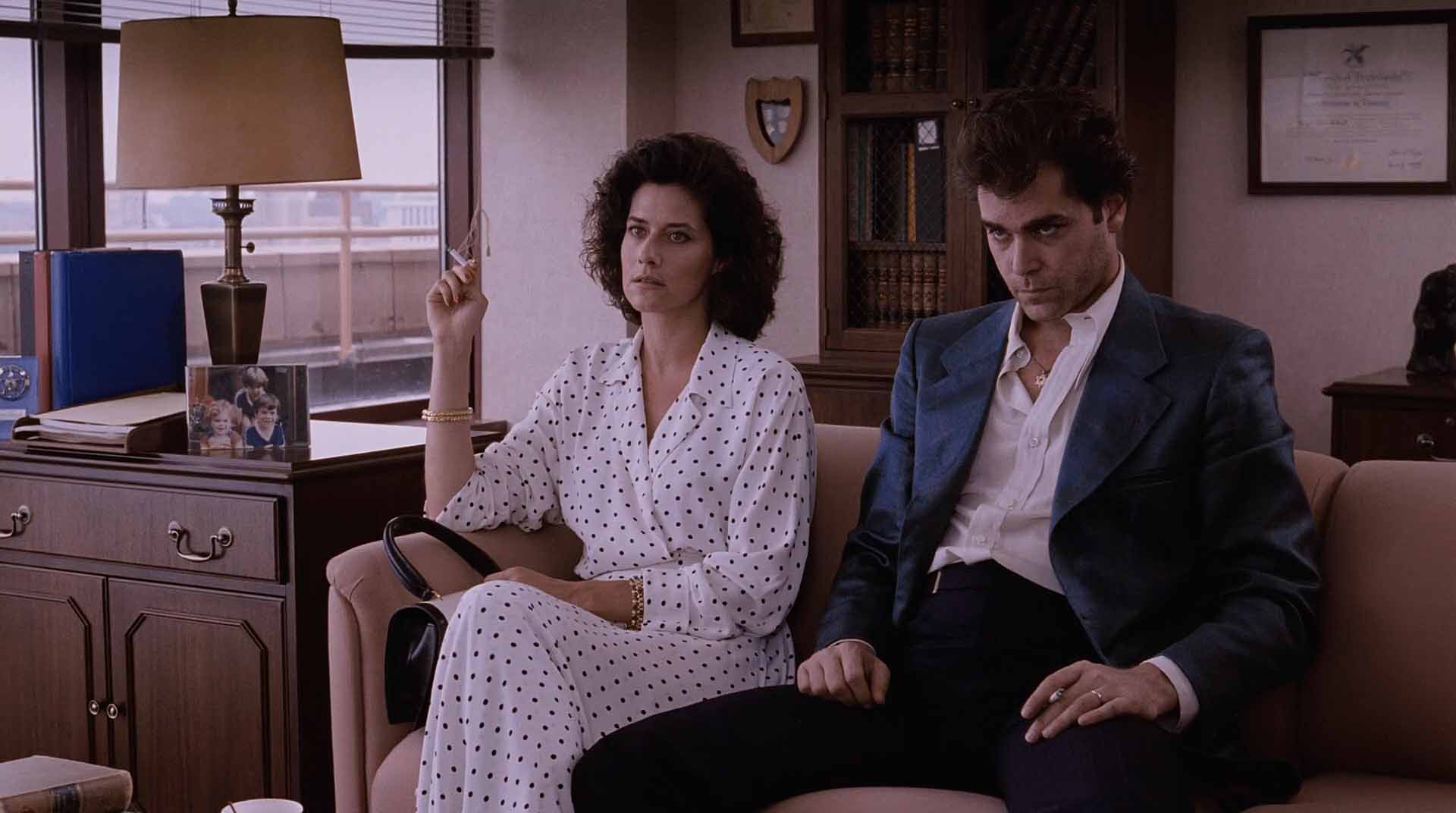
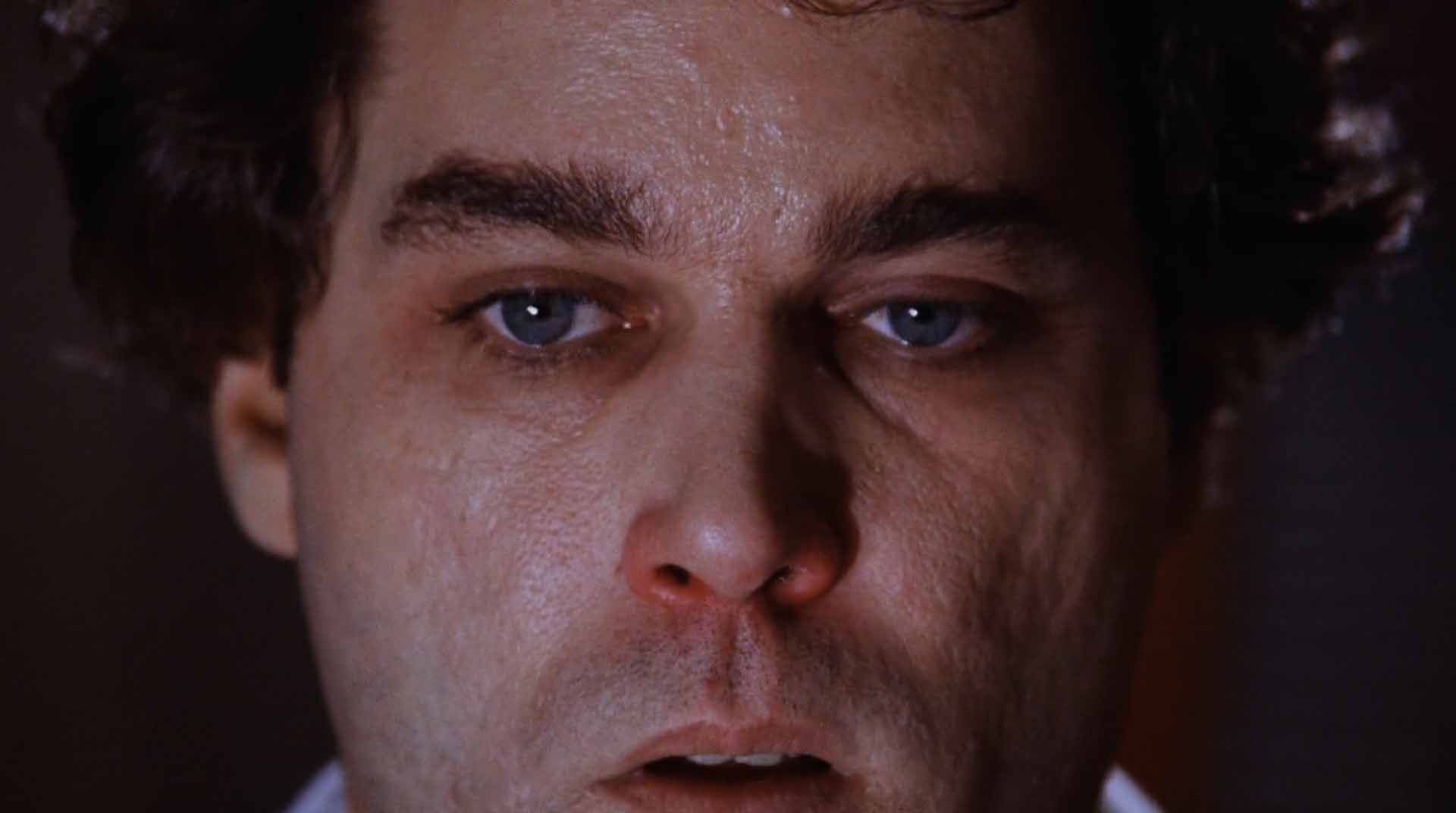
Early on, Henry’s world is bathed in fill light and backlight, creating an atmosphere of glamour and promise. As his life begins to spiral, shadows become more prominent. The shift in lighting visually represents the creeping paranoia and decay in his world.
Goodfellas was primarily shot in the 1.85:1 aspect ratio. The Zeiss Super Speeds are capable of shooting wide open to T1.3, and they allow the use of practical fixtures for exposure and style. Practical lights are employed throughout the film to achieve a realistic look. The world feels lived in, where every character is illuminated only as necessary.
Every camera movement in Goodfellas is deliberate and meaningful. The newsreel-like sequences, the smooth dolly-ins, and even the shaky handheld shots all contribute to a rich visual narrative. The film’s camerawork is a carefully constructed language that speaks directly to our emotions. It is a testament to Scorsese’s vision and technical skill.
This is why I think the cinematography by Michael Ballhaus is the unsung hero of this film. He didn’t even get an Oscar nomination, which is a crying shame.
Editing and Rhythm
The editing in Goodfellas, by Thelma Schoonmaker, works in perfect harmony with the camerawork. I can’t imagine the amount of footage that was left on the cutting room floor!
The film’s pacing is deliberate and precise, whether in the opening sequences or the climactic final act. Quick cuts during moments of tension contrast with long, lingering shots during calmer moments. It always keeps you on your toes, and you’re never really aware of the editing because you’re enjoying the story so much.
Production Design
Goodfellas is a symphony of visual techniques that work together to tell a story.
Scorsese fills every frame with details that enrich the narrative. On first viewing, these details might go unnoticed, but they add depth upon closer inspection. This meticulous attention to detail ensures that every frame contributes to the story.

Goodfellas is a portrait of a world on the brink. The camera captures the beauty and brutality of mob life with equal measure.
Goodfellas has influenced countless films and filmmakers since its release. Today, filmmakers study its every shot as a lesson in visual storytelling. As good as the other films in the nominations where that year, the one most people remember today is Goodfellas.
That should tell you a lot!

Bravo Wolfcrow. Very nice. I grew up with Ray in Kawameeh Park & swamp, Union, NJ. Enjoyed your edit and seeing Ray as I pictured him.
Thank you!