

Raiders of the Lost Ark premiered in 1981. It is now over four decades old. Despite its age, the film’s visuals still hold up remarkably well.
Why? Let’s start by watching the video:

The Power of Practical Effects
Modern viewers often praise the movie’s timeless aesthetic. The reliance on practical effects is the primary reason for this visual success.
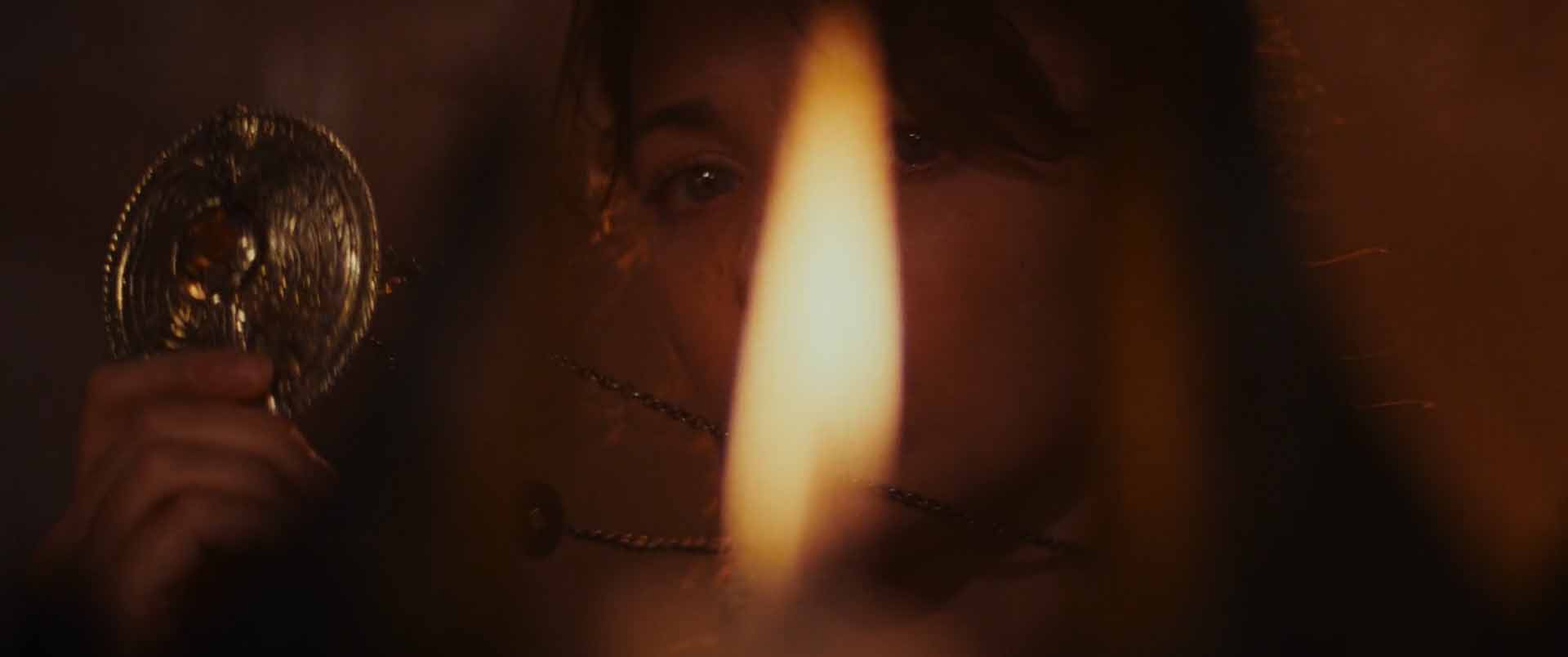
Practical effects involve physical objects, not computer generation. They include real explosions and intricate makeup. The audience sees something actually happening in the frame. This creates a tangible sense of danger and scale.
Digital effects can sometimes look artificial or weightless. Practical effects, when executed well, do not suffer this same fate. Their physical nature makes them perpetually believable.
Industrial Light & Magic, or ILM, handled the visual effects. For vast landscapes, matte paintings were employed. These paintings extended the sets and vistas on glass or other surfaces.
The film’s climax features a stunning display of supernatural power. The opening of the Ark of the Covenant unleashes horrific consequences. Three main antagonists are killed in gruesome fashion. The most famous is Major Toht’s melting face.
Special effects makeup artist Chris Walas engineered this unforgettable sequence. He did this using a gelatin mixture sculpted over an armature. The gelatin was layered with colors ranging from skin tones to bloody reds. He used propane heaters and a heat gun to melt the surface.
This melting was filmed using time-lapse photography. The rapid decay looks sickeningly realistic because it is real material reacting to heat. It is a physical, tactile effect that modern CGI struggles to match in visceral impact. The result is genuinely shocking and terrifying.
Lighting and Cinematography
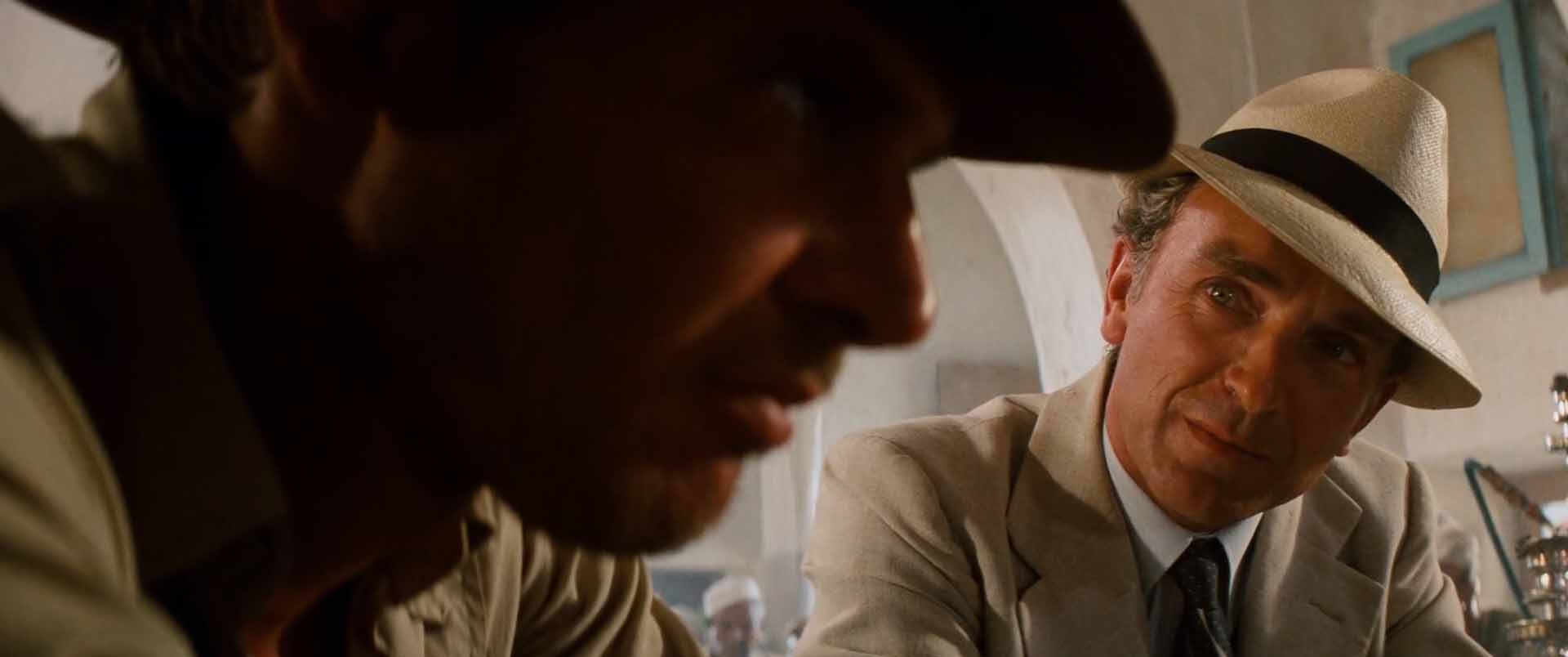
The film’s cinematography plays a crucial role in its lasting look. Douglas Slocombe was the Director of Photography. He used bold and dramatic lighting techniques. His choices enhance the feeling of a classic movie serial.
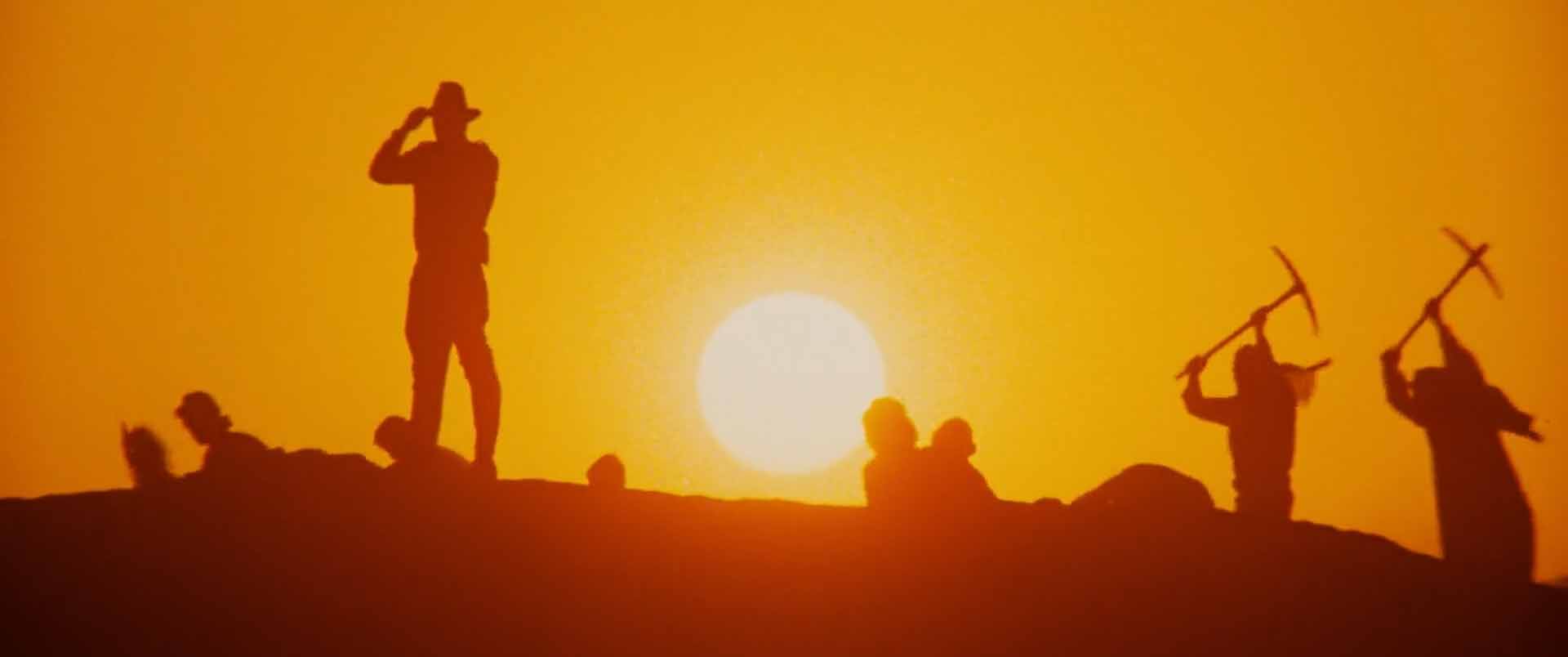
Slocombe frequently used backlighting to give characters a heroic silhouette. This technique is especially effective in dusty environments like Egypt. It makes Indiana Jones stand out against the bright, often hazy background. Shadows also create a sense of mystery and suspense.
The camera work uses intelligent framing to tell the story efficiently. Spielberg favored wide-angle lenses to capture the massive sets and locations. This composition adds to the epic scope.
The action is always clear and easy to follow.
Stunts and Action
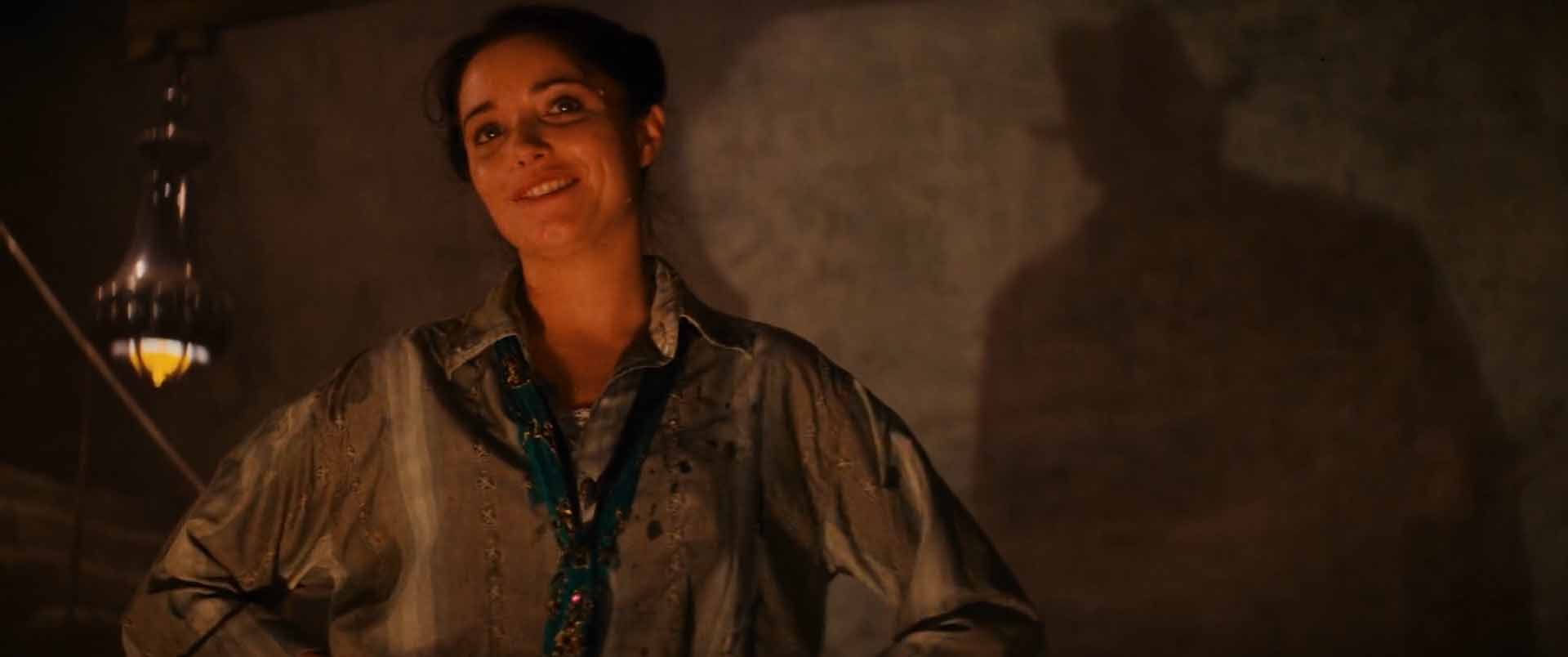
Many of the most celebrated action sequences feature real stunts. Harrison Ford, along with expert stunt doubles, performed dangerous feats. The famous truck chase sequence is a prime example. This involves a long, brutal fight on and under a moving vehicle.
The audience knows the peril is authentic.
This commitment to live-action stunts provides genuine tension. It grounds the fantastical adventure in the real world. Audiences respond strongly to the sight of real people performing real dangers.
The Value of Imperfection
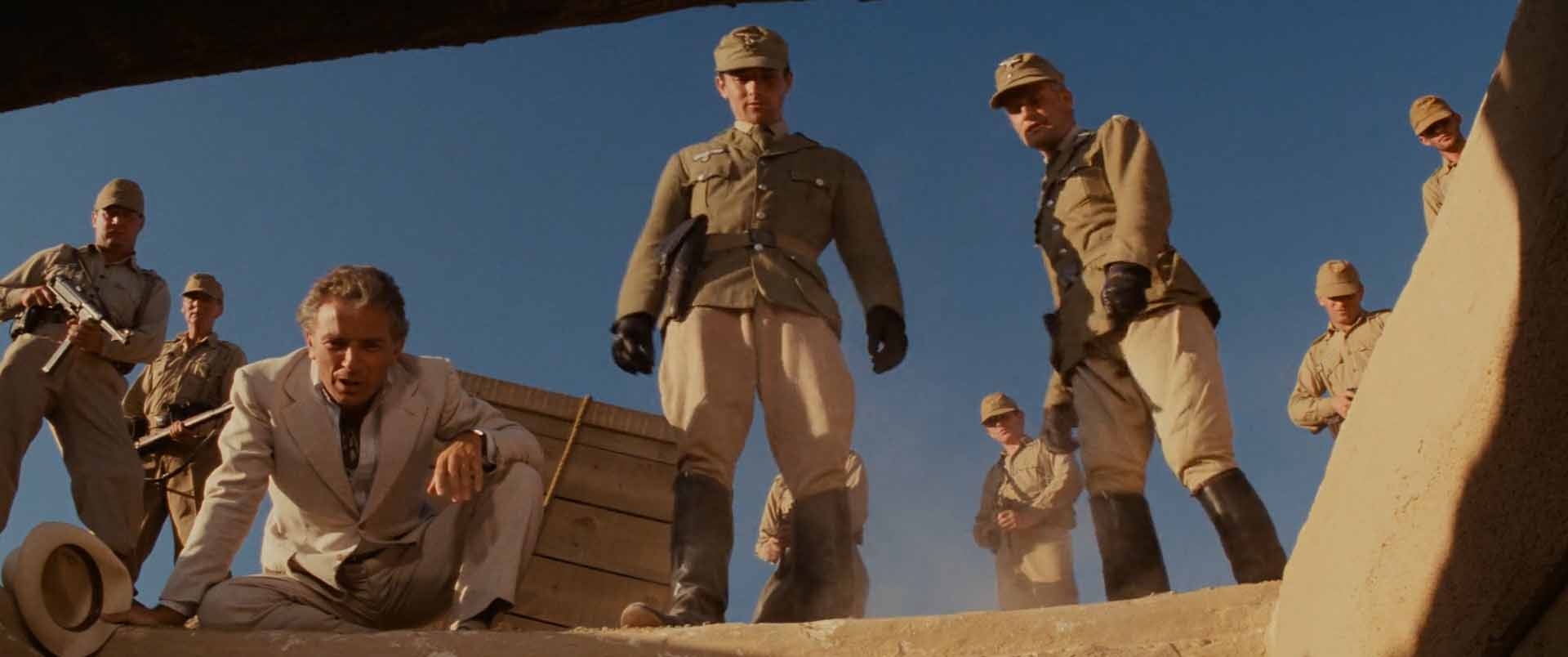
There are minor flaws in the film’s effects work. They are small instances where the wires or seams are visible. However, these tiny imperfections do not diminish the overall experience. They remind the viewer that a skilled team of artists made the movie.
These moments are part of the film’s character. They contribute to the rugged, throwback aesthetic. It is a film that embraces the style of the 1930s and 1940s adventure serials.
The artistry in Raiders lies in the clever execution of these techniques. The focus is on storytelling and character, not flawless digital gloss.
Story Over Spectacle
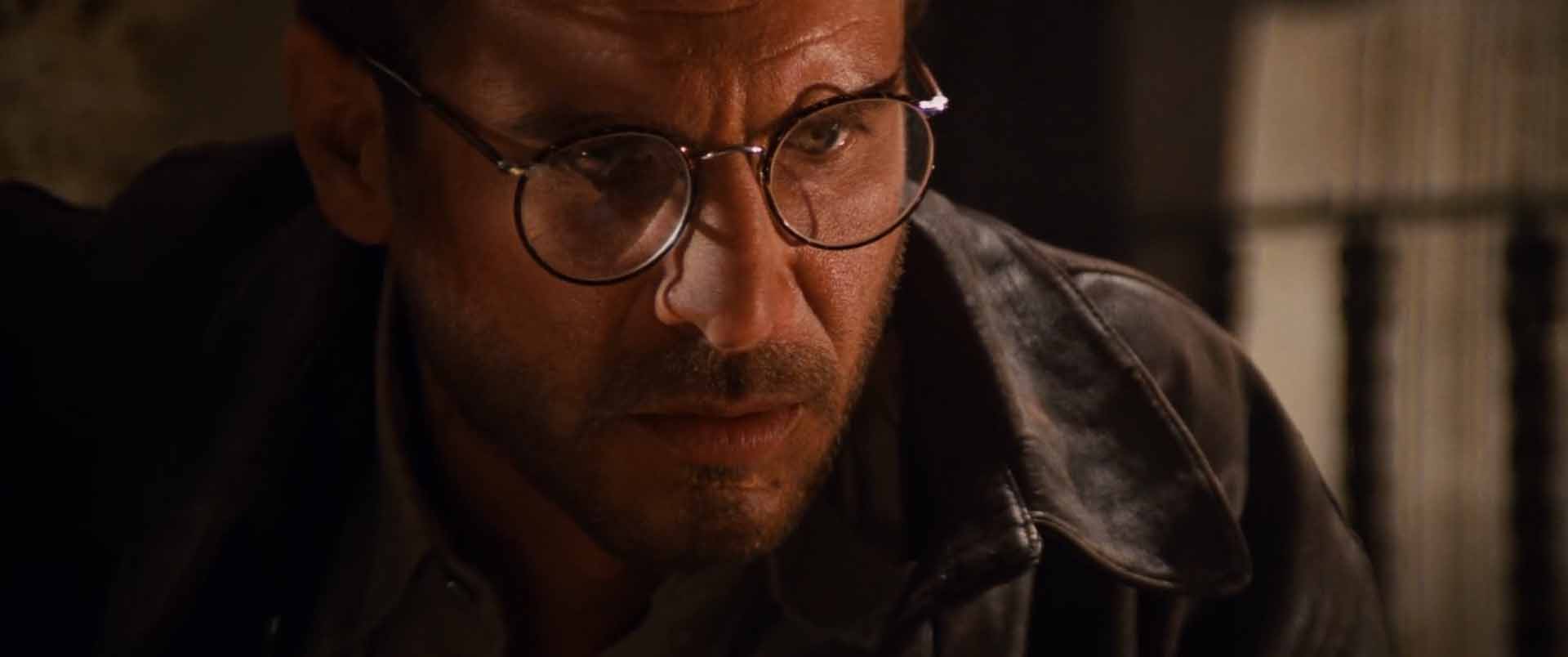
The visual spectacle never overwhelms the plot or the characters. Indiana Jones’s quest for the Ark drives the film.
This disciplined approach ensures that the visuals remain impactful. When digital effects are overused, they can numb the audience. Raiders avoids this trap by keeping its focus tight. The film is a masterclass in blockbuster filmmaking balance.
Raiders of the Lost Ark remains a benchmark for adventure cinema. Its visual power stems from a dedication to practical, old-school techniques.
The film’s look is a testament to the talent of its creators. The result is a film that truly deserves the title “timeless.”
