

Rocky is more than just a film. It’s a testament to a kind of filmmaking that no longer exists.
It’s a product of grit, risk, and unpolished ambition. Hollywood today, with its polished blockbusters and risk-averse strategies, simply isn’t equipped to recreate what Rocky achieved.
It was raw, risky, and deeply human, made under circumstances that feel almost impossible in today’s studio system.
Watch the video:

The first and most fundamental reason Rocky can’t be recreated is its audacious origin story.
The film wasn’t a surefire project backed by a star-studded cast or a massive budget. Quite the opposite. It was a gamble from the very beginning.
Sylvester Stallone, an unknown actor at the time, wrote the screenplay and demanded that he play the lead role, despite studio executives wanting a big-name star. They offered him six figures (a life-changing amount for Stallone, who was broke at the time) to sell the script without his involvement as an actor.
He refused. What audacity!
That level of risk and personal conviction is unheard of in today’s Hollywood, where calculated decisions and guaranteed returns dominate the creative process.
He just believed in himself.
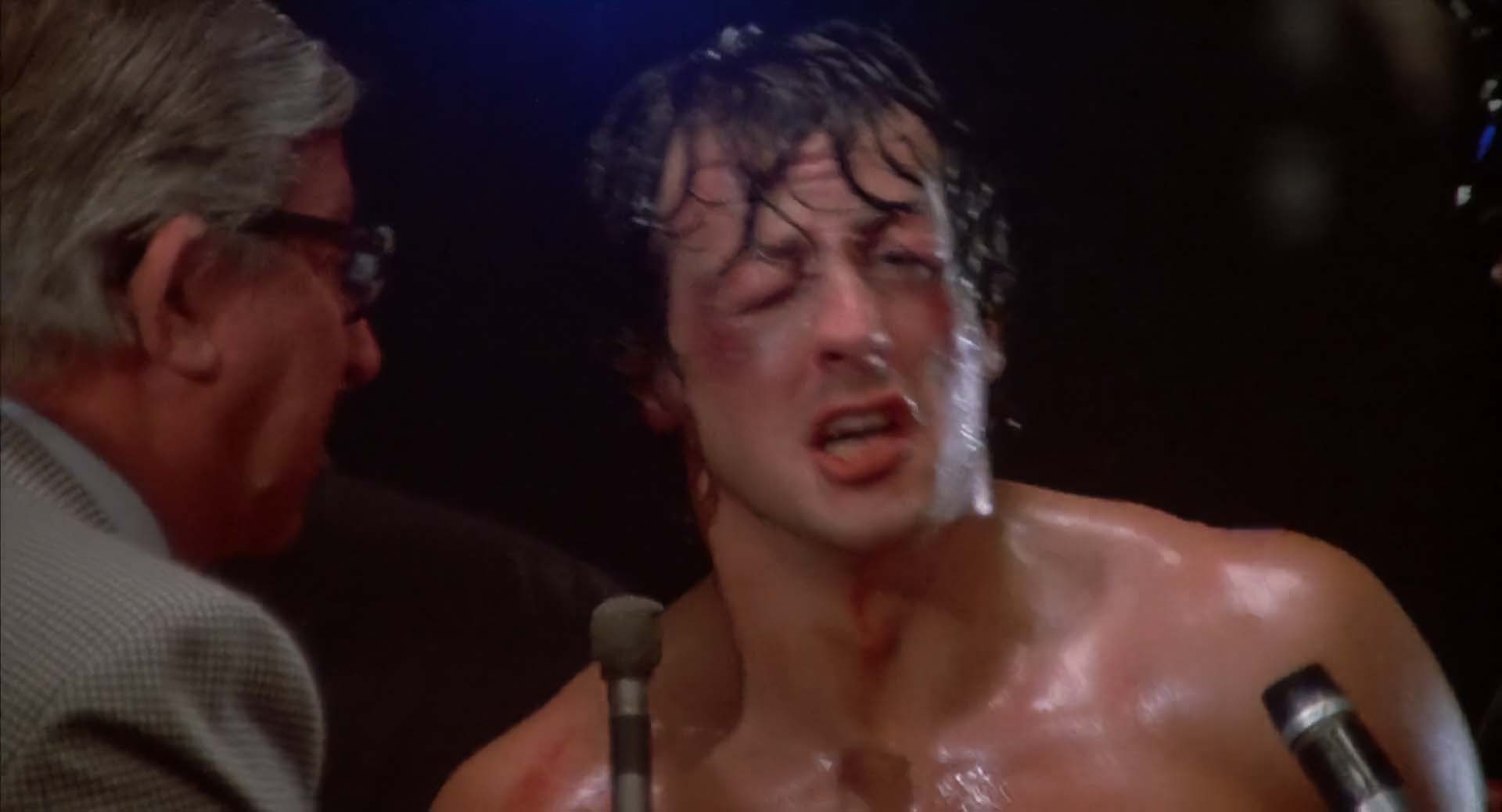
The Gamble of a Lifetime
The studio reluctantly agreed to cast Stallone, but with a catch: the film’s budget was slashed to a mere $1 million. This was barely enough to make a TV movie, let alone a feature film with ambitions like Rocky.
Every decision had to be made with resourcefulness and creativity. The iconic jogging montage through Philadelphia, for instance, was shot guerrilla-style. Stallone ran through the streets with a camera crew, hoping no one would stop them.
They didn’t have permits, drones, or months of planning. They had determination and a lot of nerve.
Contrast this with today’s filmmaking landscape, even indie films. A similar scene in a modern Hollywood production would require months of prep, location scouting, and a budget in the millions.
Heart Over Spectacle
Rocky’s story wasn’t about spectacle; it was about heart. It wasn’t a tale of a superhero saving the world or a grandiose battle of good versus evil. It was a deeply personal story about a man trying to prove his worth to himself.
Rocky didn’t even win the fight at the end, yet audiences left theaters feeling triumphant. That’s because the film’s emotional core was universal and resonated with people from all walks of life.
Modern Hollywood, however, prioritizes spectacle over substance. If Rocky were made today, it might be filled with CGI-enhanced fight sequences, slow-motion punches, and over-the-top choreography.
The raw, messy, and emotional boxing scenes that defined the original would likely be replaced with something far more polished but far less genuine. The focus on story and character – the very essence of Rocky – would be lost in translation.
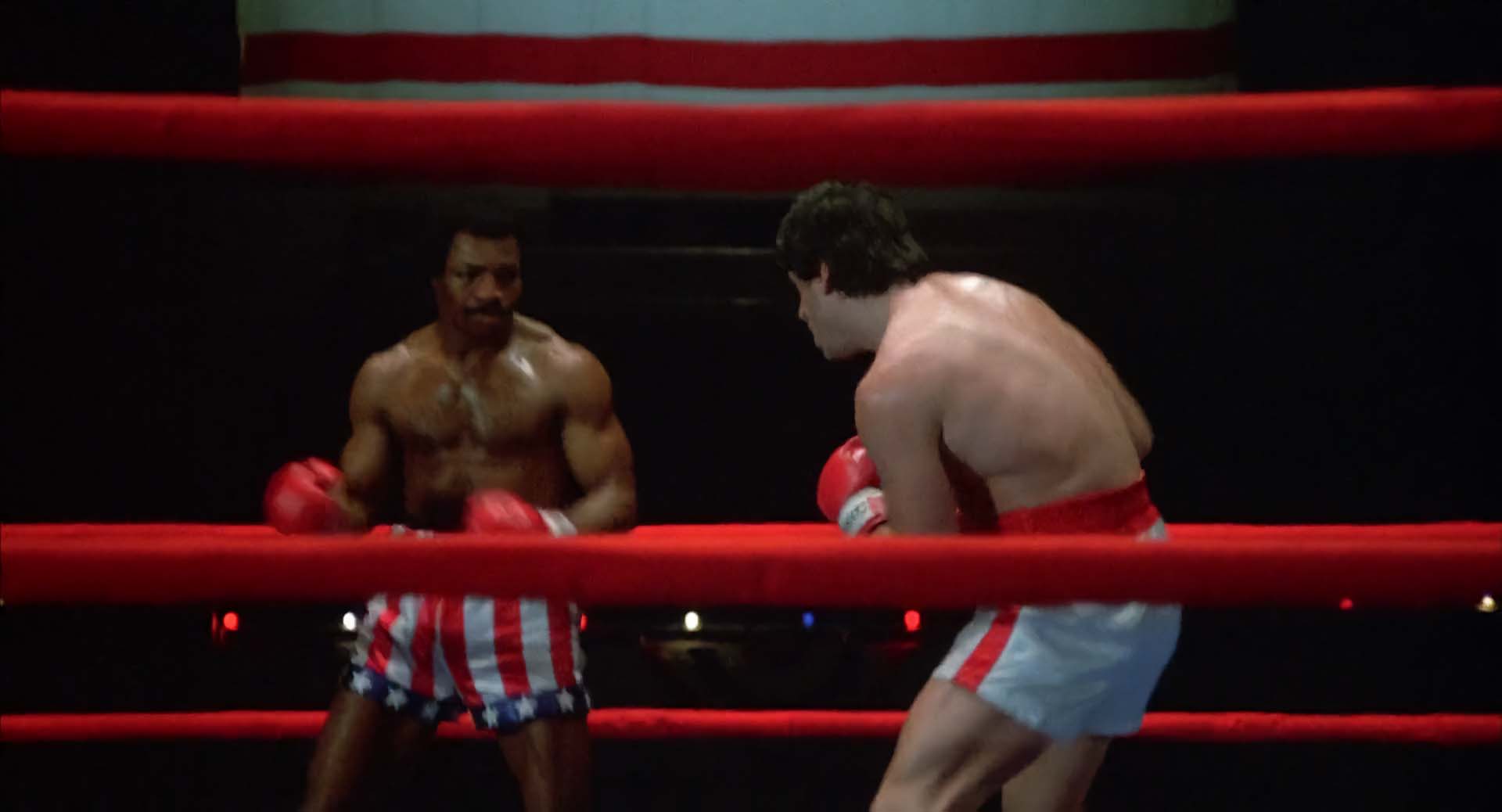
Gritty Cinematography
The visual language of Rocky was another key element that set it apart.
Cinematographer James Crabe captured the gritty streets of Philadelphia and the raw energy of the boxing ring with an unvarnished realism. The film didn’t try to look perfect; it embraced its imperfections.
The boxing matches weren’t stylized ballets of violence; they were messy, brutal, and emotionally charged, mirroring the chaos of real-life fights.
Authentic Characters
Adrian wasn’t a glamorous love interest pulled straight from a Hollywood casting catalog. She was shy, awkward, and deeply human. Her transformation over the course of the film felt earned, not manufactured.
In a modern remake, there’s a real risk that characters like Adrian would be turned into overly polished archetypes, losing the subtlety and authenticity that made them so relatable.
I cannot imagine anyone doing better than Carl Weathers as Apollo Creed, Burt Young as Paulie, and Talia Shire as Adrian.
But to me, the actor that really takes your breath away is Burgess Meredith as Mickey.
Great Music
Bill Conti’s score is as much a part of Rocky’s identity as the characters themselves. “Gonna Fly Now” has become synonymous with triumph and perseverance:
In a modern Hollywood remake, there’s a good chance the score would be replaced with something more generic or overproduced, losing the raw emotional connection it provided.
In fact, think about this: When was the last time a Hollywood score captured the imagination of people worldwide and became a phenomenon?

Rocky wasn’t just a film; it was a cultural phenomenon born out of a specific time and place. The 1970s were a turbulent decade in America, marked by economic struggles and a loss of faith in traditional institutions.
Rocky captured the spirit of the underdog, resonating with audiences who felt beaten down by life but still held onto hope.
Movies today, by contrast, are too sanitized and too focused on global appeal to take such risks. Studios are more interested in creating franchises and cinematic universes than telling deeply personal, standalone stories.
The focus is on scale and profitability, not authenticity and emotional resonance.
One of the most striking aspects of Rocky’s production was its willingness to take risks. From Stallone’s insistence on starring in the film to the crew’s inventive shooting techniques, every aspect of the production defied conventional wisdom.
The cautious Hollywood approach to filmmaking stifles creativity and makes it nearly impossible to produce a film like Rocky.
Why Rocky Still Matters
Over four decades later, Rocky remains timeless because it wasn’t just a film; it was an experience.
A personal experience for millions, judging by its box office gross.
It captured the essence of human struggle and the triumph of the spirit in a way that few films ever have. It was a cinematic miracle, made by people who believed in the story they were telling, even when no one else did.
Rocky wasn’t just about boxing. It was about life. It was about believing in yourself when no one else does. It was about going the distance, not just in the ring, but in everything you do.
And that’s why Rocky can’t be recreated by Hollywood today.
What do you think?
