

In December 1997, Titanic arrived in theaters, and the world witnessed something extraordinary. James Cameron’s epic film was more than a blockbuster; it was a cultural event.
Audiences lined up, week after week, to see this tale of love, loss, and grandeur on the big screen. The film made history not only at the box office but also in the hearts of viewers around the globe. Today, more than 25 years later, Titanic still holds up as one of the most impressive cinematic achievements of all time.
Why does Titanic still look like a trillion bucks? Let’s find out.
Watch the video:

James Cameron
At the core of Titanic’s enduring success is James Cameron’s unwavering commitment to authenticity. Cameron is a storyteller who understands the importance of detail, and for Titanic, he left no stone unturned.
He didn’t just want to recreate the grandeur of the RMS Titanic; he wanted audiences to feel as if they had stepped onto the ship themselves. The film’s production was a massive undertaking, with the scale and complexity of the sets pushing the limits of what was technically possible at the time.
Cameron’s dedication to authenticity, his innovative use of technology, and his ability to tell a story that resonates on a human level have ensured that Titanic remains a cinematic masterpiece. It’s a film that still looks and feels as grand, heartbreaking, and awe-inspiring as it did when it first premiered.
Even today, watching Titanic feels like being transported back in time, experiencing a slice of history with every breathtaking frame.
Production Design and Costumes
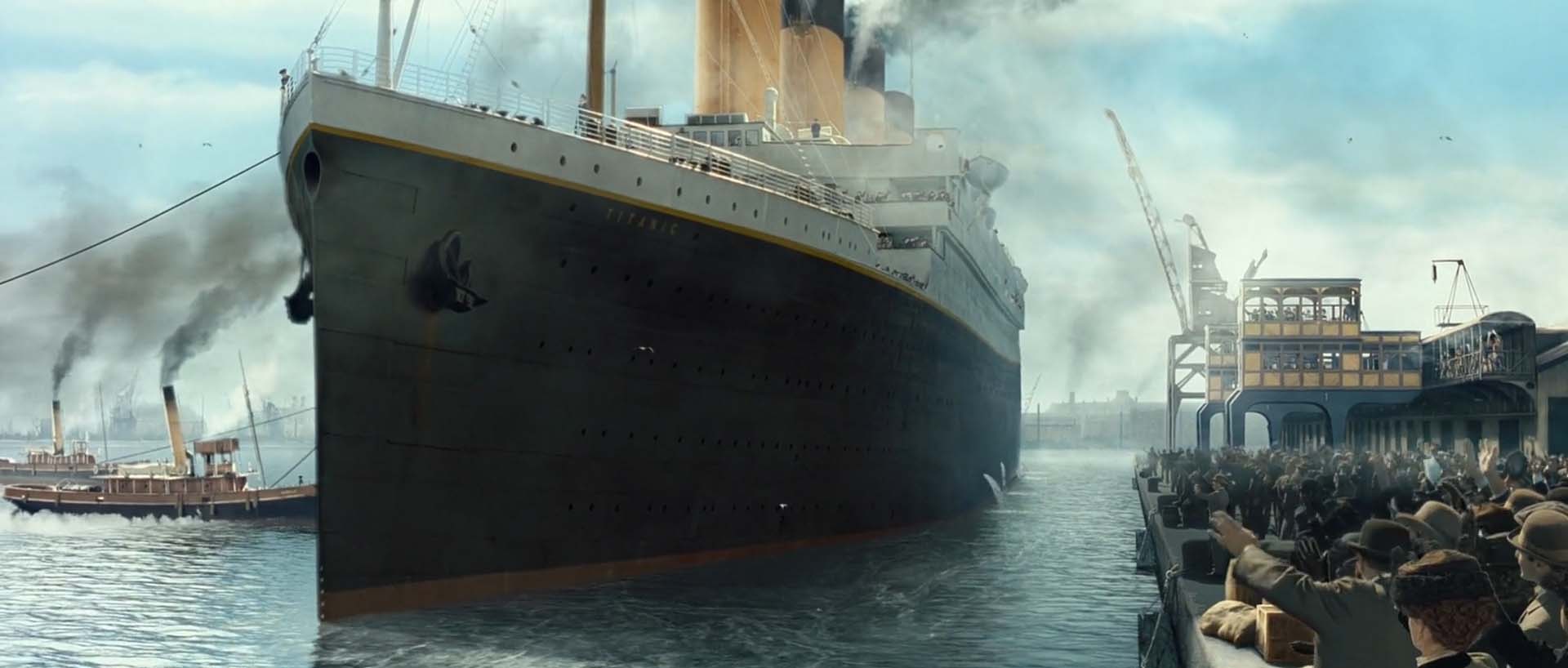
The heart of Titanic’s visual splendor lies in its stunning recreation of the ship itself. Cameron and his production design team, led by Peter Lamont, constructed a near full-scale replica of the R.M.S. Titanic. This wasn’t a film where green screens dominated the landscape; instead, the filmmakers painstakingly rebuilt the ship’s exterior and interior, down to the smallest detail.
This physicality gave the film an immersive quality that CGI alone could never achieve.
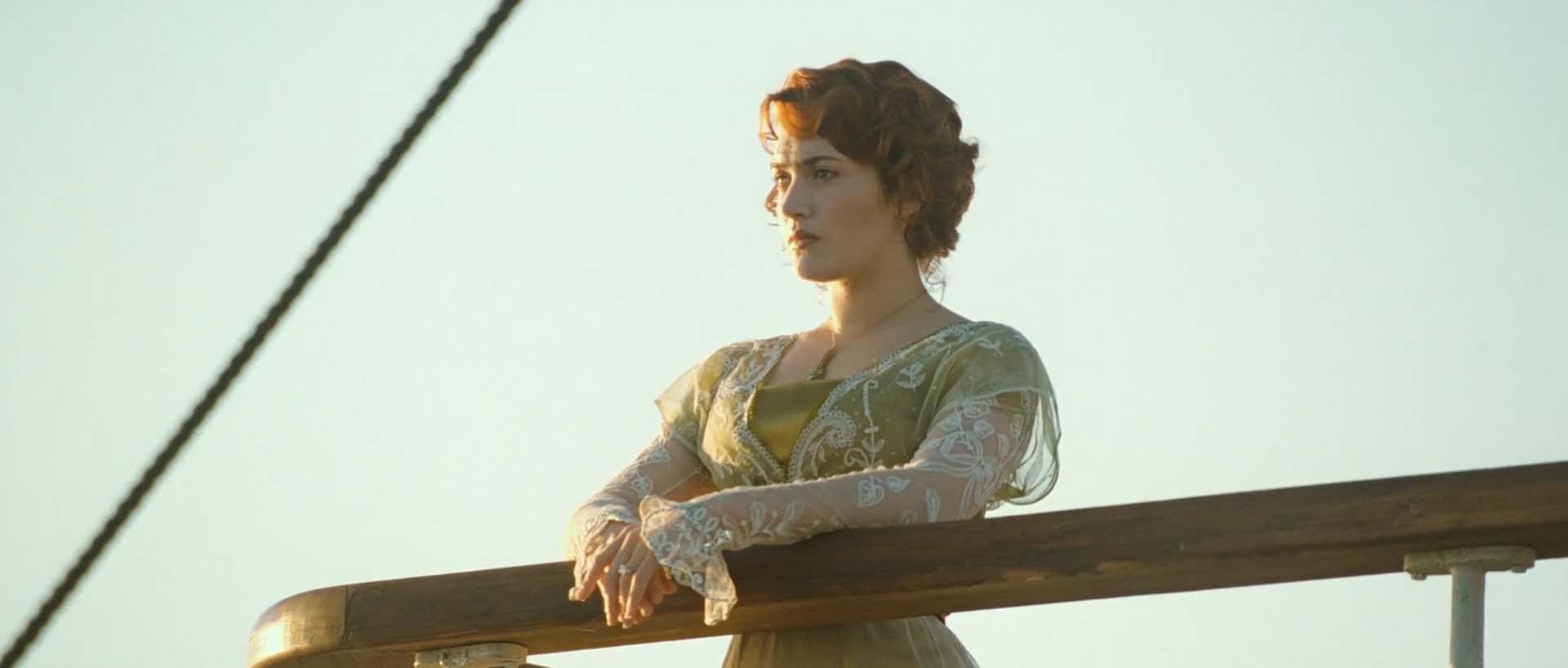
The attention to historical detail didn’t stop at the sets. Costume designer Deborah Scott ensured that every piece of clothing was period-accurate, capturing the elegance and social distinctions of the Edwardian era.
The characters’ wardrobe told its own story: Jack’s simple, rugged attire contrasted sharply with Rose’s exquisite, upper-class gowns. These choices grounded the narrative in a tangible reality, transporting viewers to a bygone era with striking visual fidelity.
Cinematography
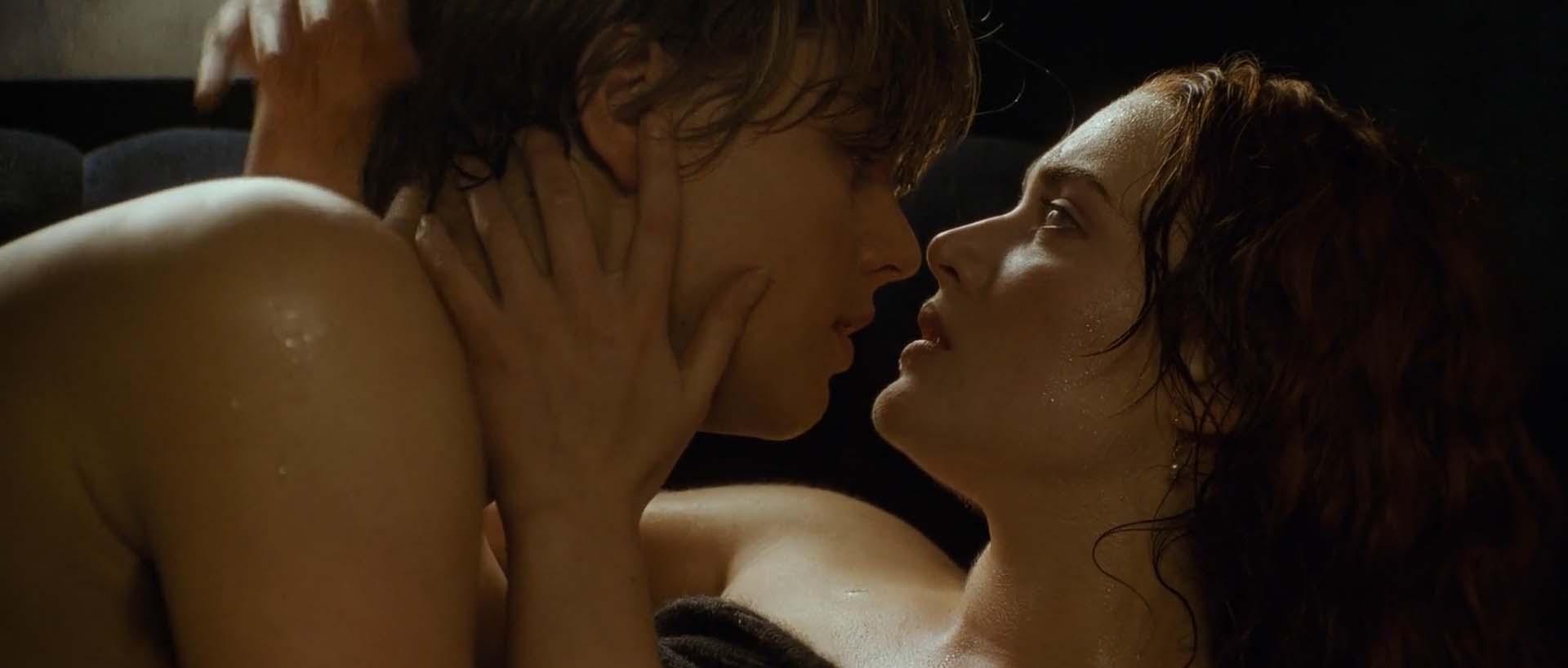
Lighting and cinematography also played a crucial role in Titanic’s visual storytelling. Cinematographer Russell Carpenter worked closely with Cameron to create a distinct visual language for the film.
The goal was to make the ship come alive on screen, balancing the grandeur of the Titanic with the intimacy of the characters’ journey. This required a careful approach to lighting, especially when filming on such massive sets. For scenes set on the ship’s deck and in the expansive water tanks, the production used a combination of practical lighting fixtures and large-scale movie lights to mimic natural light sources.
The lens used was Panavision Primos, both primes and zooms. The base aperture was T2.8, and Carpenter used a Tiffen White ProMist filter to get that period look:
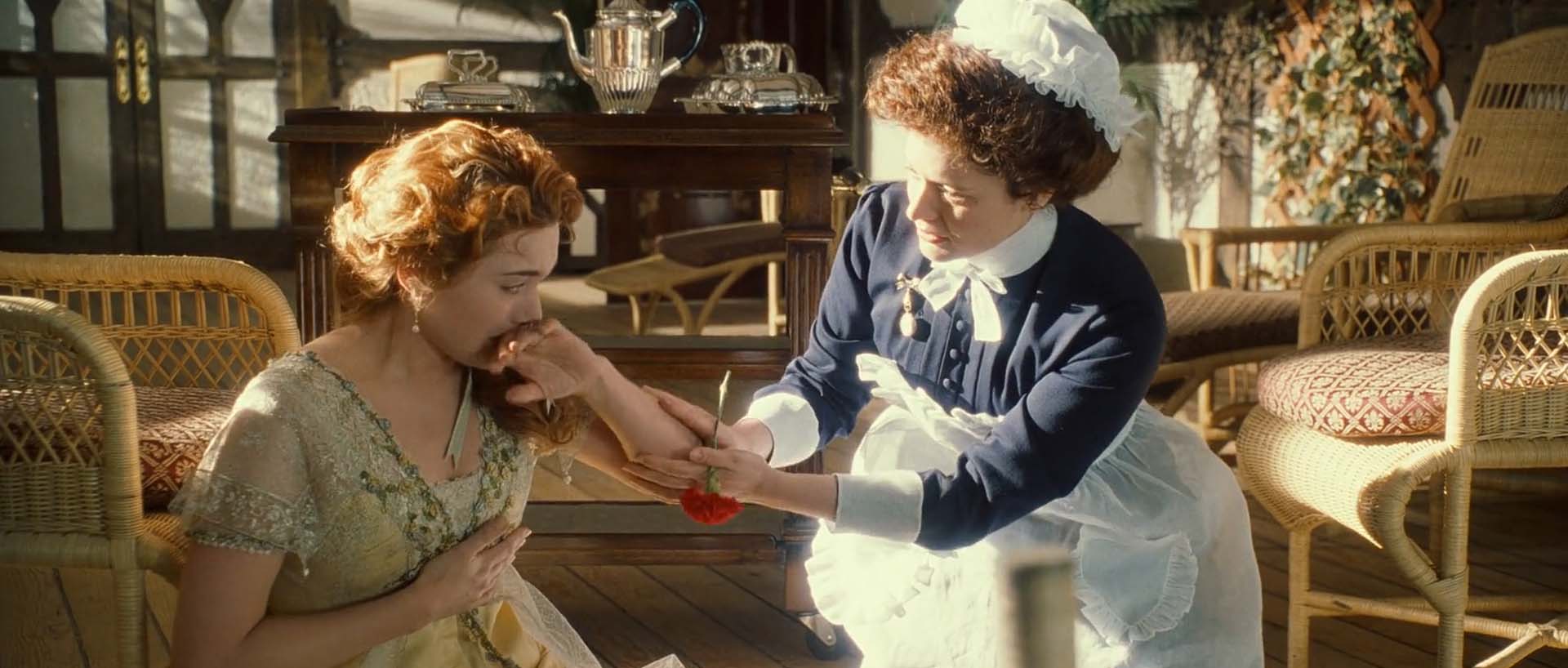
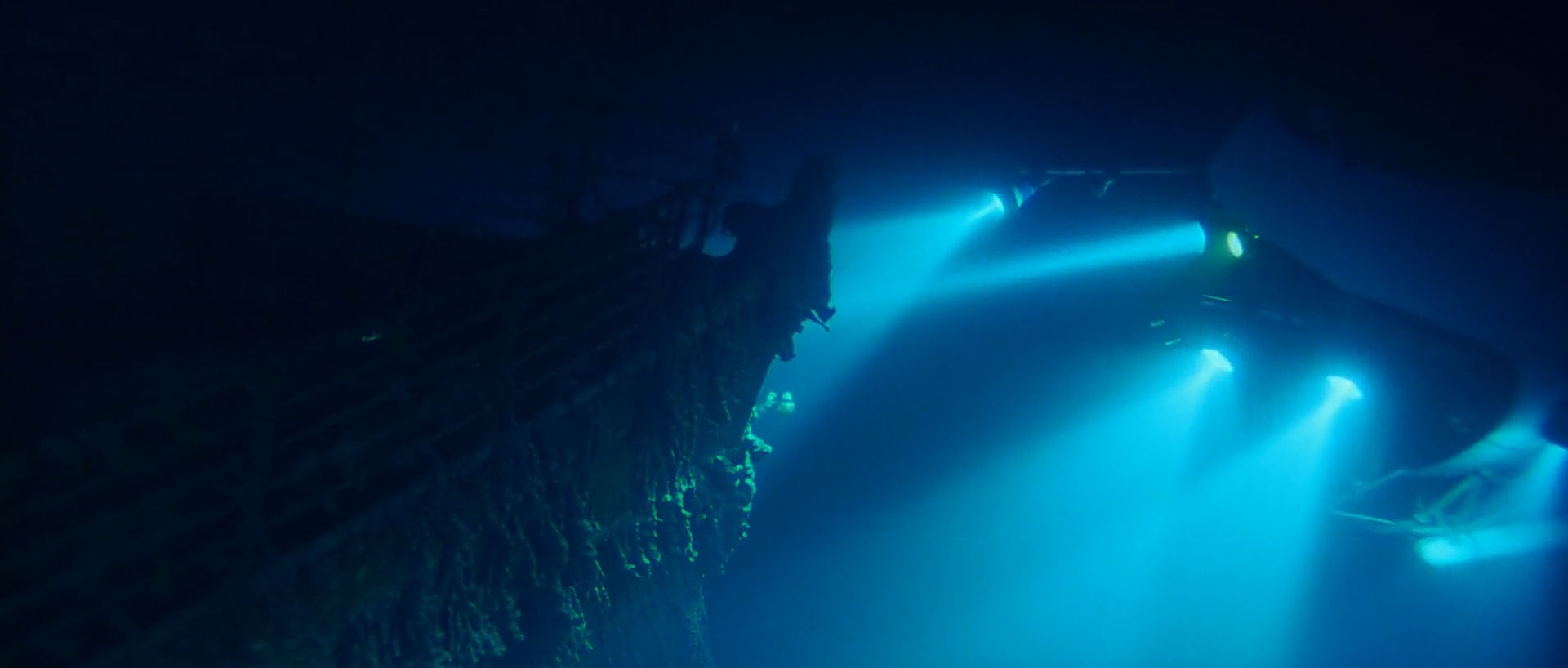
The intense blue in the final print was just a matter of adding more blue in the color timing process. Dan Muscarella and Carpenter meticulously timed every shot to achieve the desired blue effect while ensuring skin tones did not turn overly magenta. This was well before color grading was a thing:
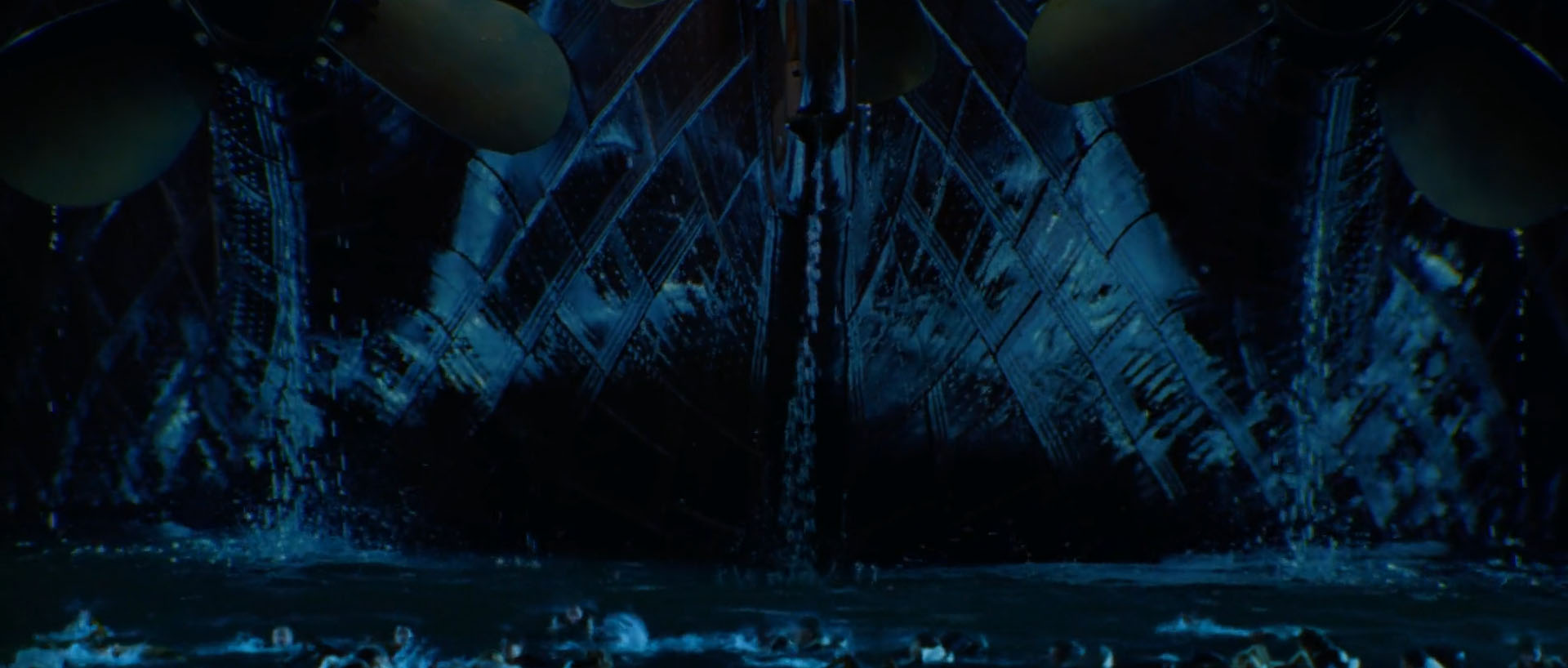
The underwater scenes had to be filmed with a different film stock and 2-perf process. All this had to be housed to withstand the insane pressure of deep sea diving. They used a 14.5mm Panavision prime lens to film the underwater scenes. The aperture in these shots would be much higher than T2.8, yet nobody could tell while watching the film.

Visual Effects
One of the film’s greatest strengths was its groundbreaking use of visual effects. Titanic was made at a time when digital effects were in their infancy, but Cameron and his team managed to pull off something incredible.
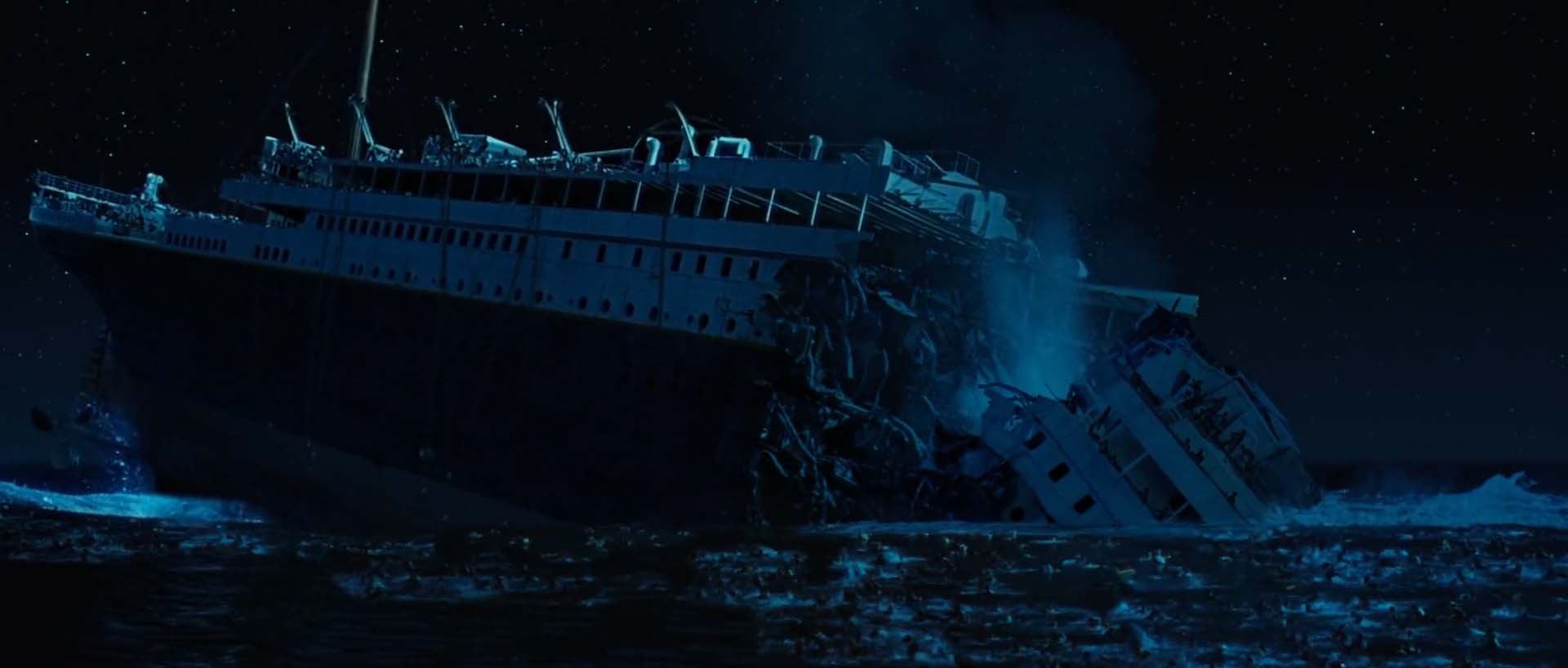
The sinking sequence, in particular, is a masterclass in blending practical effects with CGI. Full-size sets were built on hydraulic systems, tilting and flooding with water to create the sense of chaos and danger. These practical effects were seamlessly integrated with digital shots of the Titanic breaking apart and sinking into the ocean.
The result was a visceral, breathtaking sequence that still holds up remarkably well, even in today’s age of advanced CGI.
The visual effects team didn’t just focus on the ship itself; they paid close attention to the environment surrounding it. The icy waters of the North Atlantic, the cold breath of the passengers in the frigid air, and the night sky filled with stars were all crafted with painstaking care:
Even the tiniest details were considered, adding layers of realism that drew audiences deeper into the story.
The Universal Story
Another reason Titanic has retained its impact is the emotional depth of its narrative. Cameron knew that all the visual splendor in the world would mean nothing if audiences didn’t care about the characters.
The love story between Jack and Rose serves as the emotional anchor of the film, giving viewers a personal connection to the unfolding tragedy. Their romance is simple yet profound, and it provides a human element that elevates the film above mere spectacle. It’s this blend of personal drama and epic disaster that gives Titanic its lasting power.
James Horner’s iconic score also deserves mention. The music of Titanic, from the haunting main theme to the sweeping orchestral pieces, is as integral to the film’s impact as its visuals. The entire soundtrack enhances the film’s emotional journey, adding a layer of beauty and sorrow that lingers long after the credits roll.
Titanic is more than just a movie about a doomed ship; it’s a testament to what cinema can achieve when a filmmaker refuses to compromise.
This is why Titanic doesn’t just look like a billion bucks, it feels like a trillion bucks. This is rare in cinema. James Cameron is the master of putting the money on screen.
