
Watch the video:
What is His House about?
His House follows the story of two refugees, who lost a daughter, and who are lucky enough to be granted asylum in the UK. Unfortunately for them, the house they are assigned is haunted. If you haven’t watched it already, it’s available on Netflix, so please check it out.
There are spoilers ahead!
Using Editing to fracture time and space
Let’s start with how the camera and editing is used to create the concept of fractured space and time. In an early scene in the film, Bol Majur, the protagonist, cries in catharsis in his new bedroom, on the first floor. Immediately we cut to his wife Rial, who’s in the exact same room, playing with the doll of their quote unquote daughter.
But, he’s not there.
What happened in the middle? We don’t know.
This technique is used multiple times in the film. They escape South Sudan on a bus, then they walk, then they’re on a boat, they hear a sound, then they’re in the sea, and they cut to when they’re in the shelter in the UK. These breaks in the flow of a sequence disorients us.
This is important, because the story is about refugees who have lost their world, and who’s trying to find their place in a new land. When Rial walks out of her home for the first time, with a simple map in her hand, she still manages to get lost in a maze-like street. She asks a few black teens for directions, and they tell her to go back to Africa. We cut immediately to the clinic, and how Rial got there…your guess is as good as mine.
The characters try so hard to fit in. They try to be nice, they try to use forks and knives, or at least Bol does, and he even cheers for a football team he knows nothing about, just to blend in. In many ways His House is a social drama masquerading as a horror film.
After Bol breaks the wall, we cut to him on the bus. The movie is littered with such jump cuts that fracture time and space. The editing keeps us on our toes, and there’s a nice rhythm to it so it never feels contrived.
Using camera angles to tell the story of relationships
Early in the film both husband and wife are shown together, in two shots most of the time. When they land in their new home, the camera slowly avoids showing them in a two shot for as much as possible. They are mostly in singles for the remainder of the film. The best example of this is the dinner scene, where he asks her to blend in, but she’s on another path already:
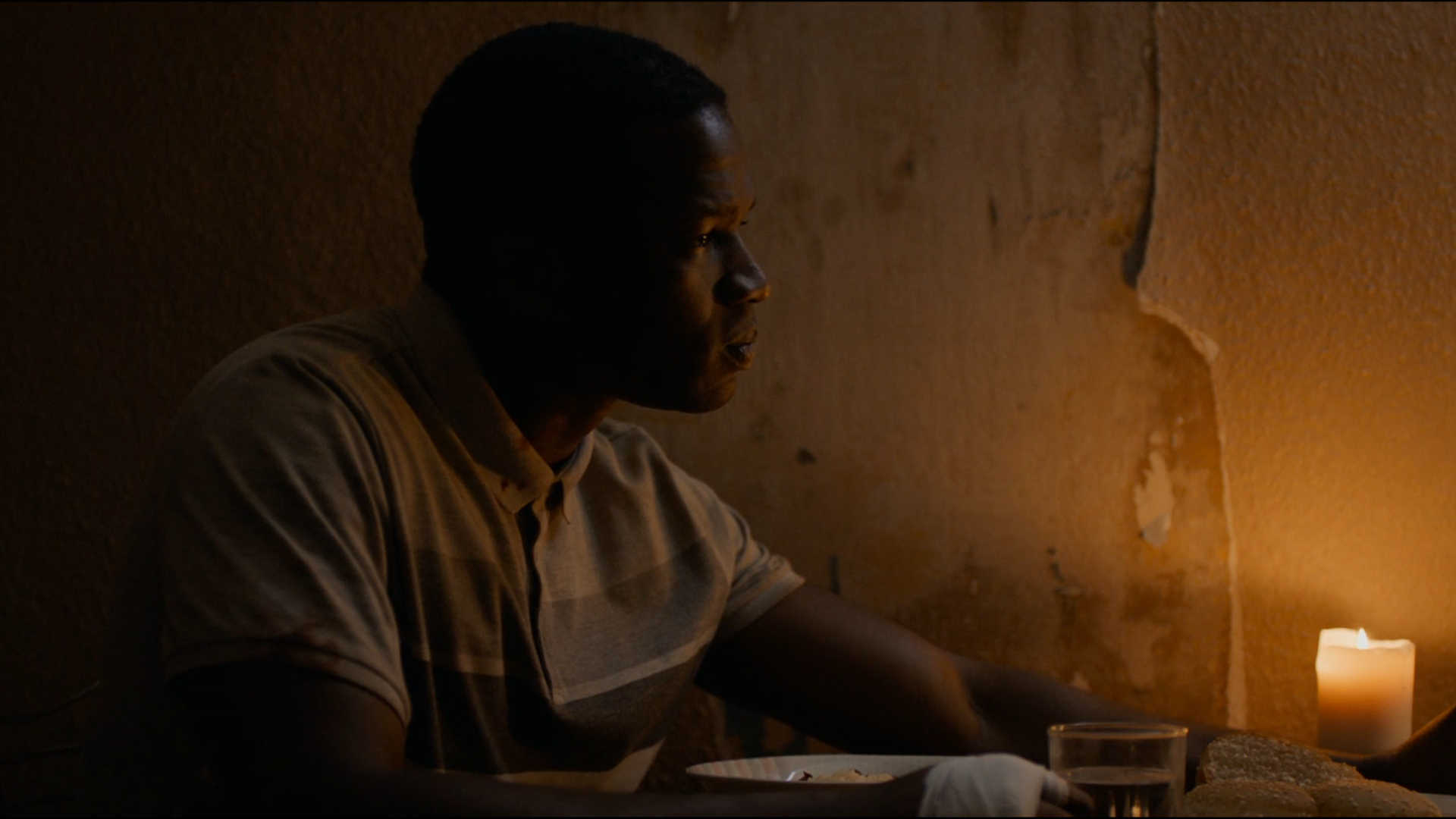

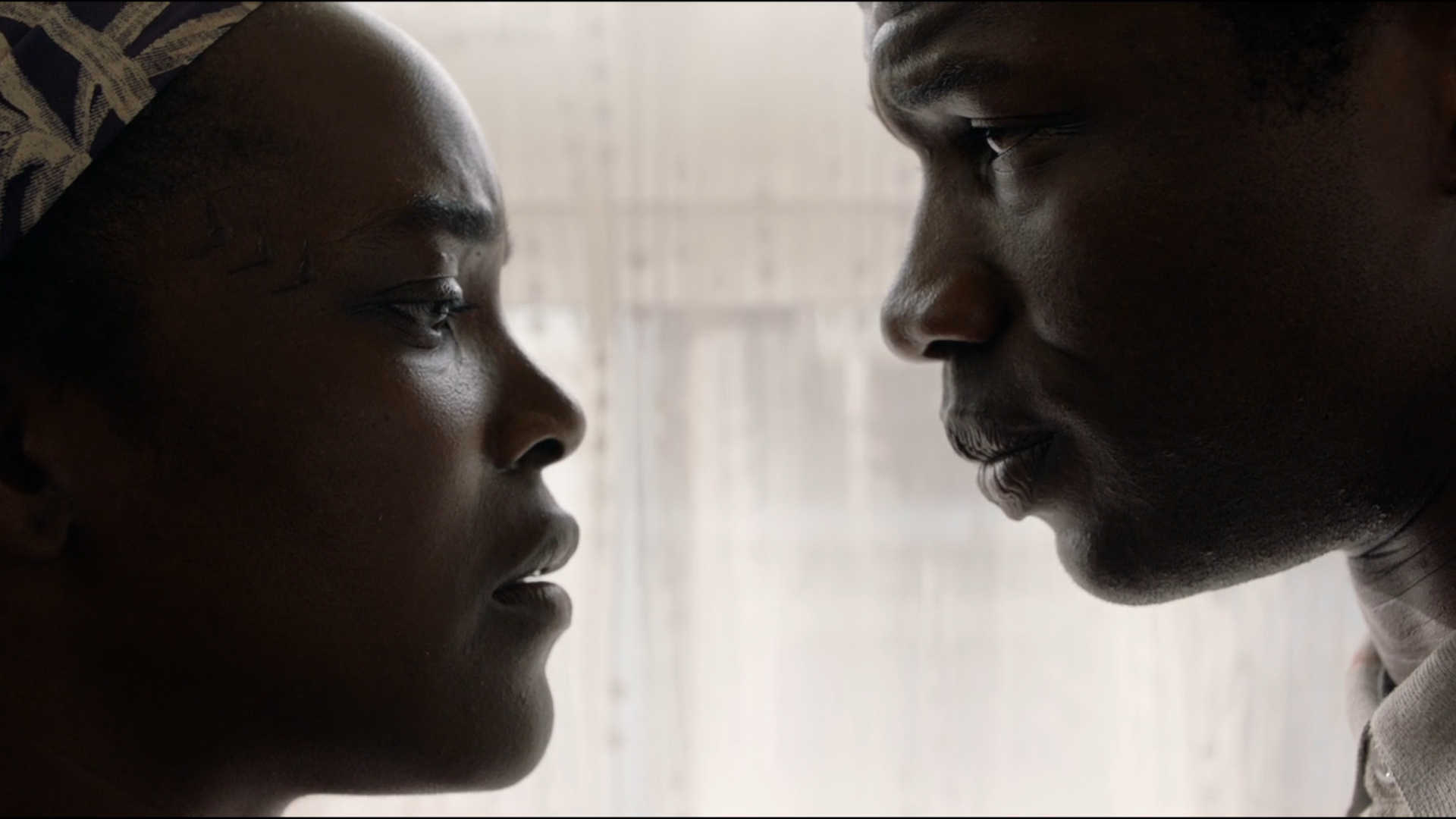
She wants him to come to terms with what he’s done, but he just wants to forget. They are not in the same shot because they don’t see eye to eye here. At the end, they accept their fate. Now they are mostly in a two shot, and their stories are one again:
In the scene where Bol is across a table with officers, the director keeps them on a wide shot, helped by the widescreen frame. It shows the distance between them and the rest, the two cultures are worlds apart. It shows how hard it is for these refugees to cross into a foreign country and be accepted.
Later when Bol visits Mark, you can see the same camera angles at play:
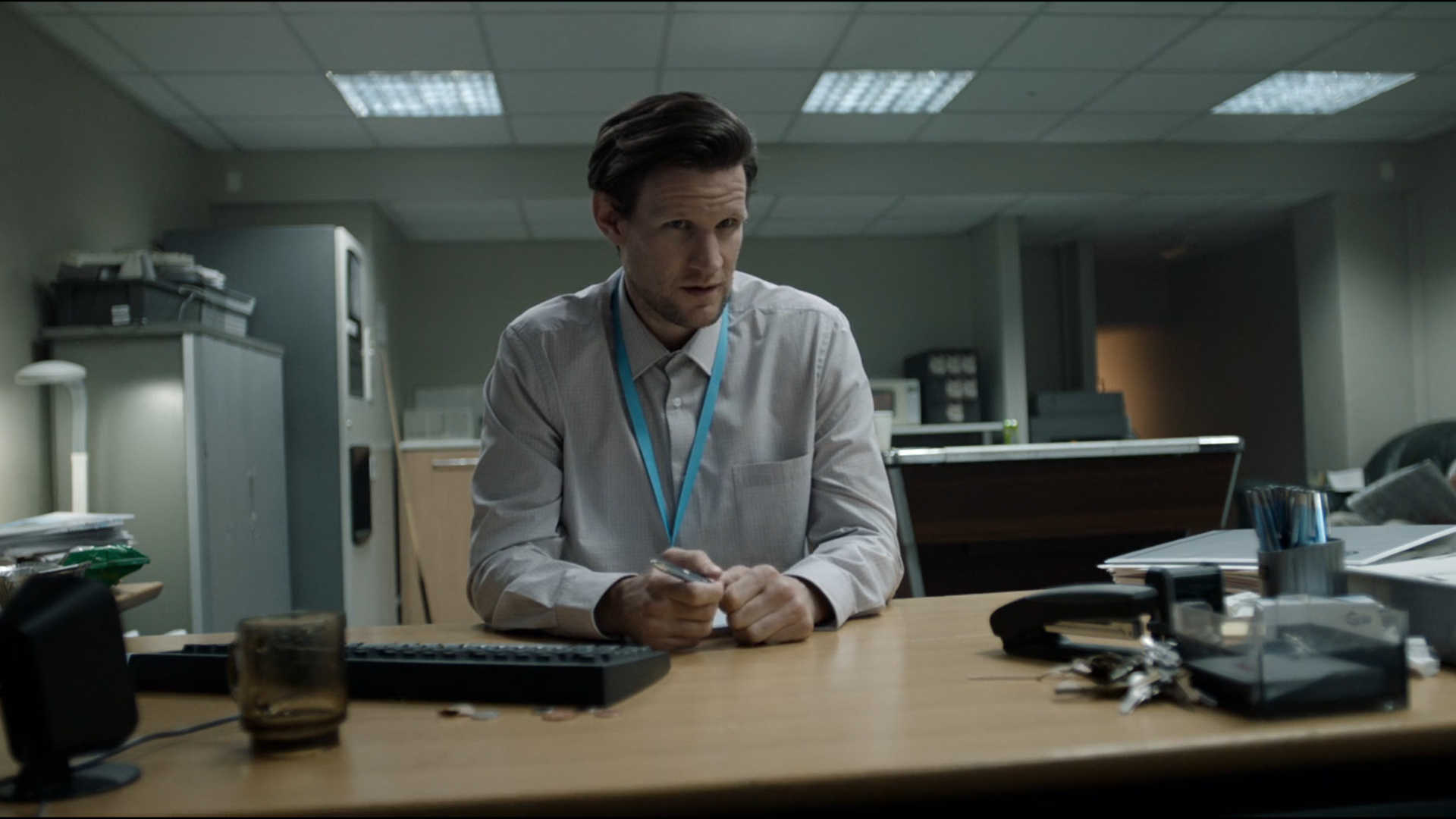

They are separated in singles in wide shots, even though they are sitting across the table. Also notice how the furniture is skewed and not straight. Everything contributes to creating an air of unease in these scenes.
The next interesting bit of camera work in this film is when the actors look close to the center of the lens. This is a classic technique used by many directors, and the actors are almost looking directly at us, pulling us into their world and their feelings. It is not abused, and reserved for the most intense and important moments and points of revelation.
Lighting one wall a hundred different ways
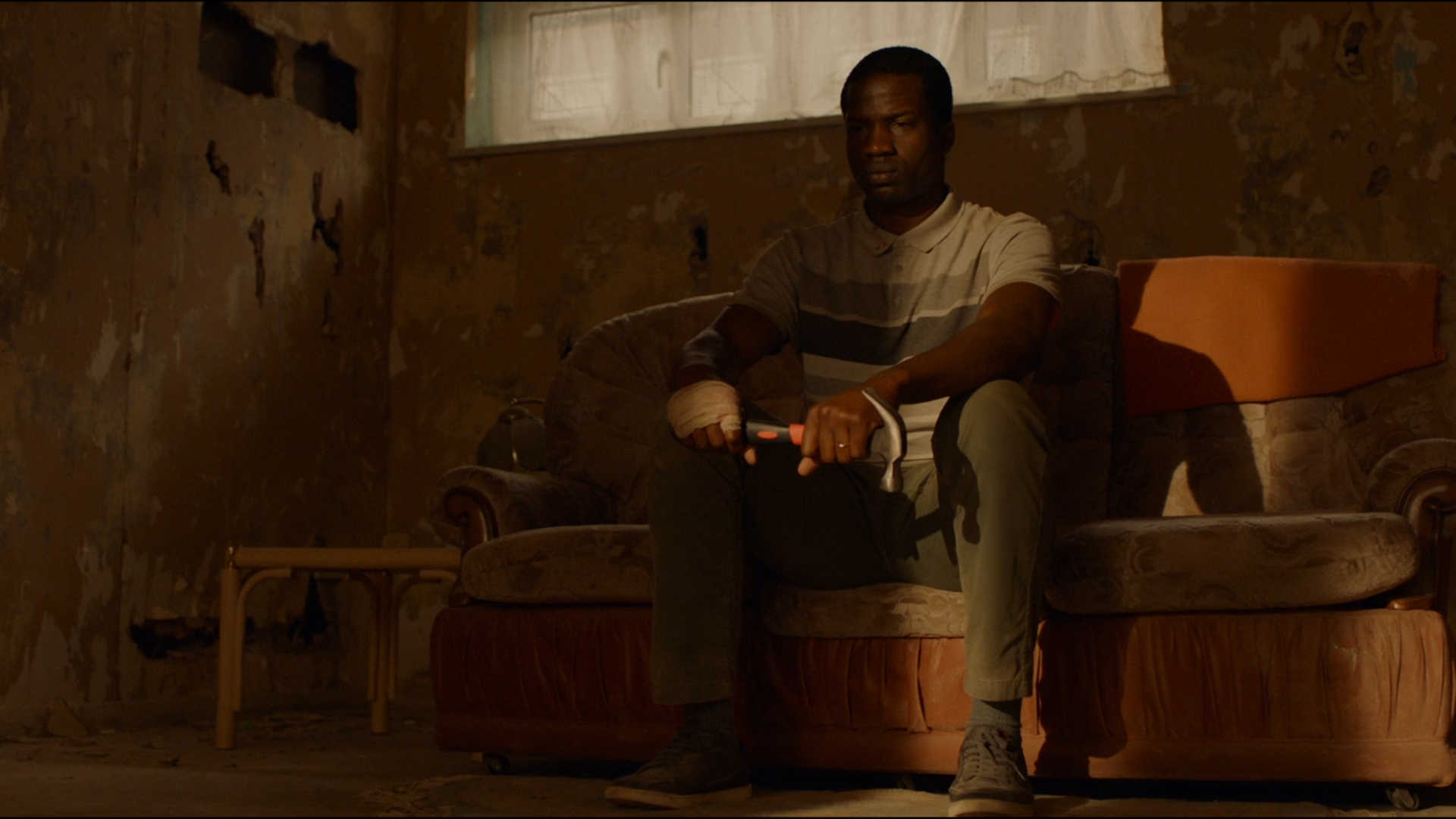
Lighting plays an important part. Cinematographer Jo Willems has the unenviable task of making one wall look interesting throughout the film. He uses different lighting effects, playing with sunset, streetlight, daylight, and so on to create different effects and moods for this one living room, which is where we spend the most time in this film.
It’s amazing how we never get bored of the living room, because there’s always something refreshing in the lighting and camera placement. Here in one of the late scenes the sun sets while Bol waits to go to sleep, and where he meets the Witch for the first time:
A lot of credit also goes to the production design and costume department. E.g., Bol goes shopping at a department store, and buys the same clothes as what’s on the wall. Then we cut to Rial wearing the same thing.
The colors remain constant throughout. Earlier Rial’s in green, and he’s in red, but once they reach the UK, he’s mostly in green, and she’s in red or some shade of red. I’ve spoken about red and green in cinematography in another video:
The house they’re in has only three important rooms – the living room, the kitchen and the bedroom. We cut from one to the other in such a way it creates the illusion our protagonists can’t find their place even in their own new home. They eat in the living room, and eat in the kitchen. They can’t sleep in the bedroom, they sleep in the living room. And they can’t live in the living room, because, you know, ghosts. The house is just unrelenting!
And so is the outside.
The story of refugees
We have the story of two black refugees fitting into a foreign land, and surrounded by white people. You’d think there’s going to be a lot of racism in this movie, but no. There’s white people everywhere, sometimes putting trash on their doorstep, sometimes being creeps, not being very friendly or inviting, but on the other hand most of the white people in this film are decent. The aid workers and officers, the doctor, the people at the church and bar, and so on.
It’s more about nationalism and about the life of refugees than anything else.
Bol made a wrong choice when he left Sudan. He picked up a girl he thought was lost, but then when he found out her mother was around he decided to not do anything. Can we blame him, when there are machine guns firing from behind, and when you’re just trying to survive? That’s for you to decide.
The guilt of losing this child during the terrible crossing, which many refugees still undergo every year, is what sets up this story, and everything is drawn from it.
Who’s to blame for these tragedies? Who knows?
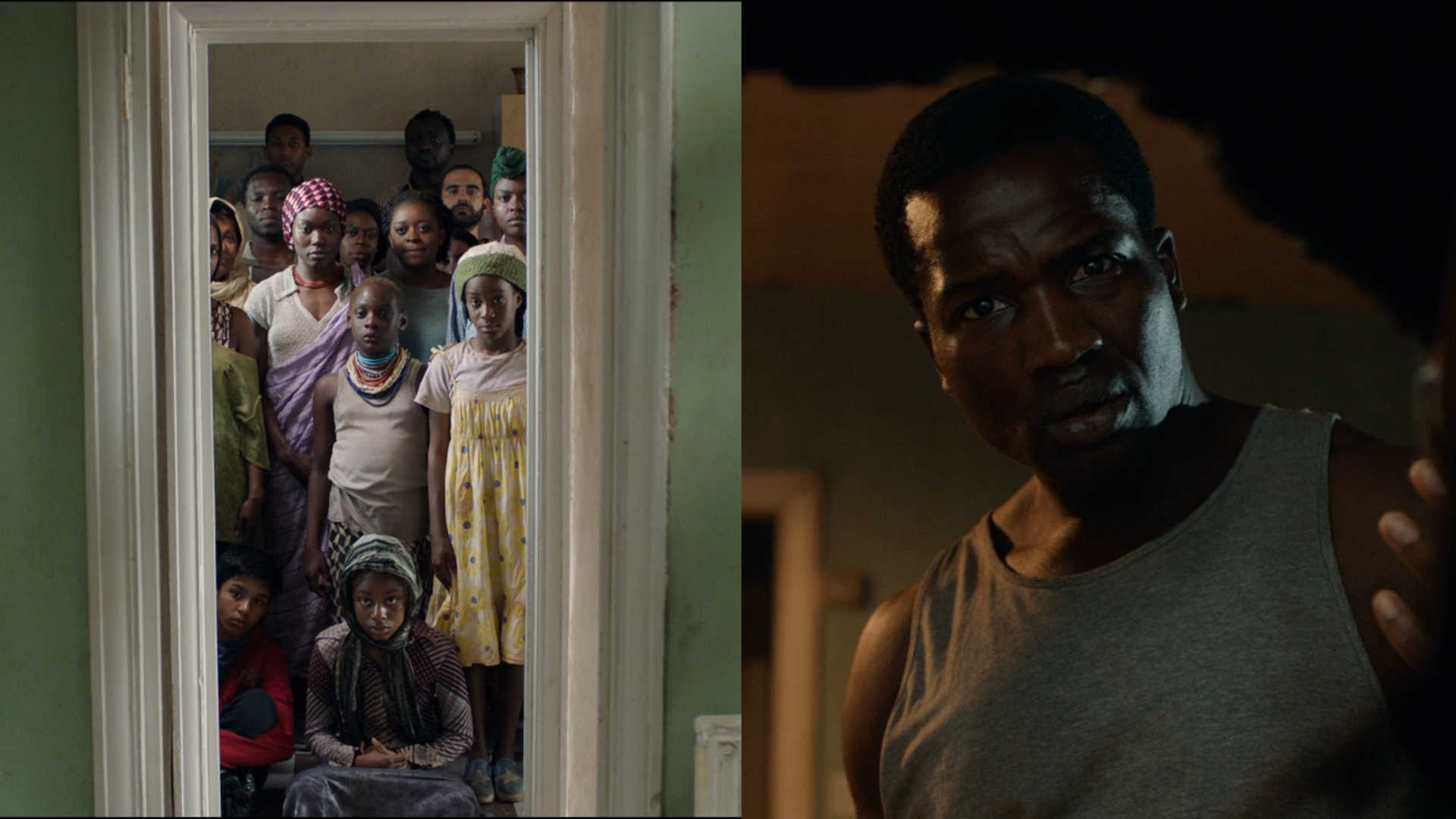
Even the doors to the different rooms in the house are like barriers. Crossing from one room to another is like crossing worlds. In the final shot all the refugees who survived are on one side, the unlucky ones who didn’t make it are on another:
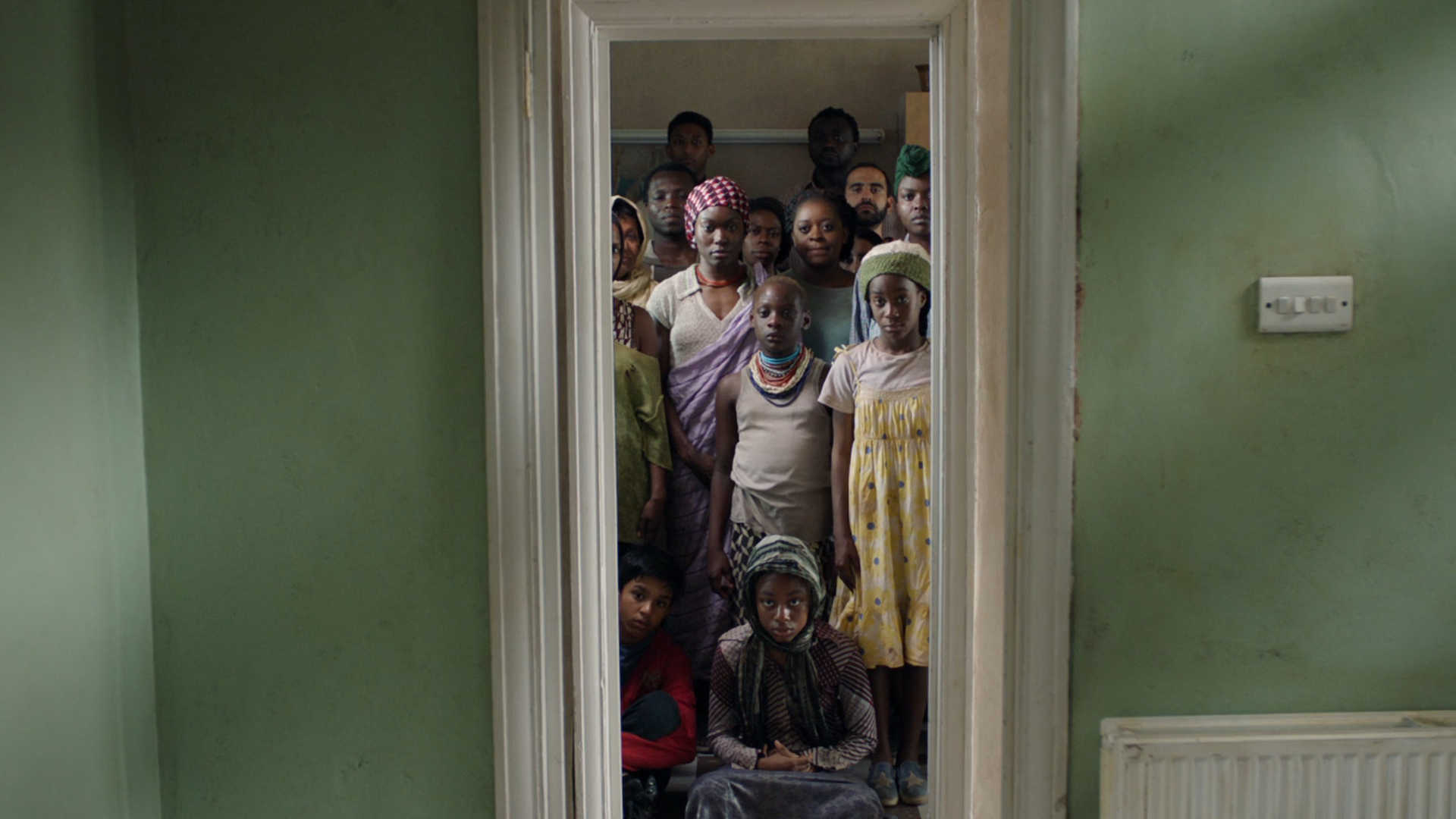
You can see people from all races and cultures, whites, South Asians, Africans, etc. Refugees are refugees, and His House is their story, their horror and their plight.
It’s also about optimism, and that there are still countries and people who welcome immigrants from war-torn countries, so they can start a new life, and live like decent human beings.
I hope you found this useful. Let me know in the comments below.
