

Dialogue scenes are the backbone of cinematic storytelling. The choice of shots within these scenes is a powerful tool for conveying emotions, character dynamics and narrative depth.
Also, within these scenes, filmmakers use various shots and techniques to enhance the storytelling and create a compelling visual experience. They offer a window into the characters’ thoughts, emotions and relationships, driving the narrative forward.
They allow characters to interact, emotions to be conveyed and stories to be told.

Whether you’re a novice filmmaker or a seasoned pro, this article aims to enhance your understanding and proficiency in capturing compelling dialogue scenes.
In this comprehensive guide, we will delve deep into the world of shots used in dialogue scenes, exploring their purposes, effects and when to use them.
The Basic Shots
Before we dive into the specific shots used in dialogue scenes, let’s establish a foundation by understanding the basic shots in filmmaking. These basic shots serve as building blocks for crafting more complex and meaningful dialogue scenes.

1 Wide Shot
The wide shot, also known as the long shot, is the cinematic equivalent of a canvas. It paints the backdrop against which the characters and their dialogue will unfold, providing context and setting.
This shot, often found at the beginning of dialogue scenes to establish the characters’ positions and surroundings, they establish the physical setting, allowing the audience to grasp the context in which the conversation will take place.
The Wide shot uses:
- The primary purpose of a wide shot is to introduce the audience to the location and characters, setting the stage for the dialogue that will follow. This initial visual context is essential for viewers to understand where the conversation is happening.
- It provides a sense of space and scale, helping the audience understand the physical context of the dialogue.
- By offering a panoramic view of the environment, the wide shot can create a sense of grandeur or isolation, depending on the setting.

2 Medium Shot
The medium shot frames the characters from the waist up, allowing the audience to focus on their body language, expressions and interactions while still providing a sense of the surroundings.
It’s a versatile shot commonly used for dialogue scenes as it maintains a delicate balance between the characters and their environment.
The Medium shot uses:
- Medium shot focuses on the characters’ body language as well as facial expressions.
- By emphasizing the characters’ upper bodies, the medium shot facilitates the audience’s connection with the characters on an emotional level, while maintaining awareness of the setting. It strikes a balance between showing the characters and their surroundings, making it suitable for scenes where character dynamics are crucial.
- While it doesn’t provide as much context as a wide shot, it allows the audience to see the characters’ reactions and interactions more clearly.
- This shot bridges the gap between the intimate portrayal of characters and the broader context, making it a staple in dialogue scenes where character dynamics and their relationship with the environment play pivotal roles.
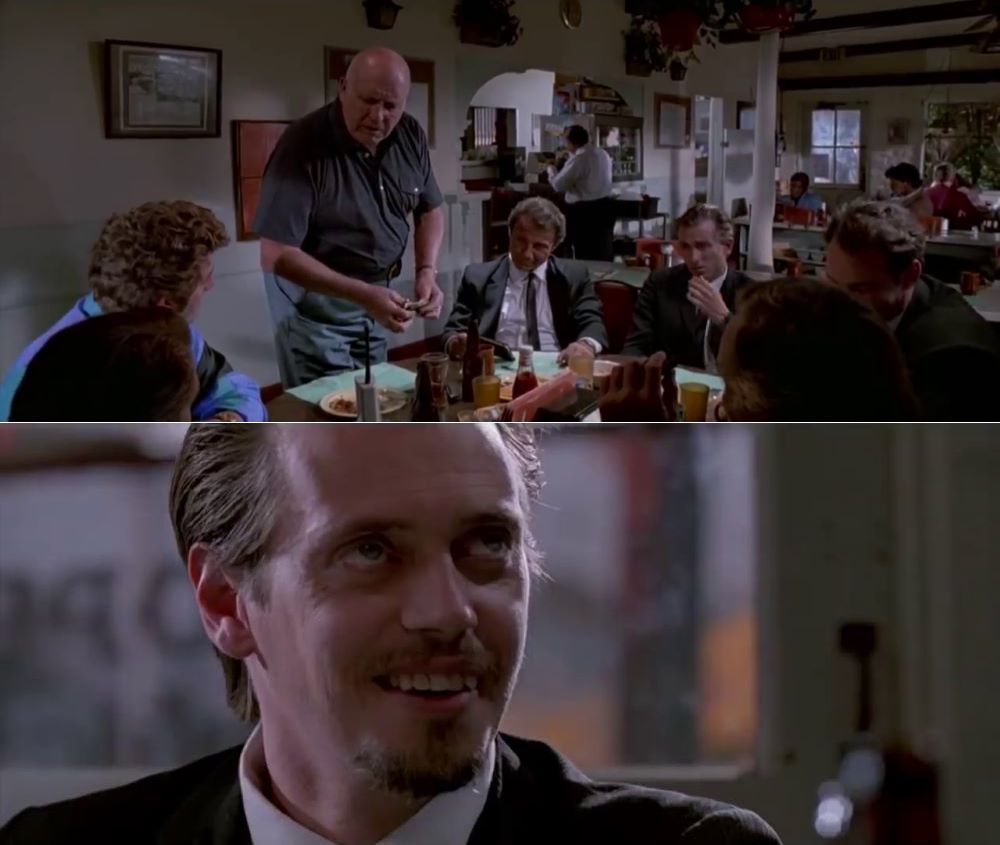
3 Close-Up Shot
The close-up shot zooms in on a character’s face, emphasizing their emotions, reactions and expressions, allowing them to dive deep into a character’s emotional world. This shot is used for conveying subtle details and emotions.
By zooming in on a character’s face, this shot magnifies characters’ emotions, reactions and the nuances of their expressions.
The Close-up shot uses:
- The primary purpose of a close-up is to highlight the character’s emotional state and reactions. It allows the audience to delve deep into the character’s psyche and understand their inner turmoil or joy.
- Intensifies the emotional impact of the dialogue, drawing the audience’s attention to specific details.
- The close-up intensifies the emotional impact of the dialogue, drawing the audience’s attention to specific details such as tears welling up in the character’s eyes’ the subtle quiver of their lips or or a subtle smirk. It’s a shot that invites empathy and emotional connection.
4 Extreme Close-Up Shot
The extreme close-up takes the intimacy of the close-up zooms in even further, by focusing on a specific feature or object, often an eye, a hand or a crucial item within the scene.
It’s used for intense moments or to draw attention to a particular element. This shot is reserved for moments of heightened significance or to emphasize a particular detail.
The Extreme Close-up shot uses:
- The extreme close-up serves to emphasize a specific detail or object within the scene. It directs the audience’s focus to a minute but significant aspect of the dialogue.
- By narrowing the viewer’s perspective to an extreme degree, this shot creates a heightened sense of importance or intensity. It can be used to highlight a critical object, a character’s emotions or a plot device.
- Extreme close-ups are employed to underscore a specific detail, object or gesture of great importance.
- By isolating and magnifying a specific element, this shot conveys its significance to the audience. Whether it’s a wedding ring, a trembling hand or a knowing glance, the extreme close-up adds weight to the moment, urging viewers to pay closer attention.
In mastering these basic shots, filmmakers acquire the foundational skills needed to construct dialogue scenes that engage, inform and move the audience.
The choice of shot depends on the scene’s objectives and understanding the effects and purposes of each shot empowers filmmakers to make deliberate and impactful visual decisions.
Ultimately, these basic shots are the first step in the intricate dance of cinematography, setting the stage for the more advanced techniques.
Let’s explore how some of more shots that are used in dialogue scenes to enhance storytelling and character development.
Important Shots in Dialogue Scenes
While basic shots like wide, medium, close-up and their variations are essential for grounding a dialogue scene, more special shots are a treasure trove that can elevate your storytelling.
In this section, we’ll explore these advanced shots and their significance in the realm of dialogue-driven sequences.

1 Two-Shot
The two-shot frames two characters together in the same shot, typically facing each other at a medium distance. This shot is ideal for capturing the dynamics and interactions between characters during a conversation.
It’s invaluable for conveying chemistry, tension or conflict.
Purpose
The two-shot is primarily used to emphasize the relationship and interactions between characters during a conversation within a scene. It visually establishes that these two characters are engaged in a conversation or some form of interaction.
It frames both characters within the same shot, often facing each other, highlighting their connection or conflict with the characters’ reactions to each other’s words and actions.
Also, from a visual perspective, the two-shot helps balance the frame by featuring both characters equally. This balance is essential in maintaining the audience’s engagement in the conversation without favoring one character over the other.
Effect
By placing the characters in the same frame, the two-shot enables the audience to observe how they react to each other’s words and action in real-time. It can reveal underlying tensions or affections between characters and provides visual cues about their rapport.
Two-shots often make it easier for the audience to follow the dialogue, as it’s clear who is speaking and how the characters are responding to each other.
When to Use a Two-Shot?
Employ the two-shot when you want to emphasize the interplay between two characters. It’s particularly effective for revealing the nuances of their relationship, whether it’s an intimate conversation between lovers or a confrontational exchange between adversaries.
At the beginning of a story, two-shots can be used to introduce and establish the dynamics between key characters.

2 Over-the-Shoulder Shot (OTS)
The over-the-shoulder (OTS) shot is taken from behind one character’s shoulder, with the other character in the foreground.
This shot is called over-the-shoulder because it gives the audience the feeling of looking at the scene from behind one character’s shoulder, as if they were eavesdropping on the conversation, creating a sense of intimacy and involvement.
Importance of 180-deegree rule in OTS shots
When using over-the-shoulder shots in a dialogue scene, the 180-degree rule is critical to ensure that the viewer understands the spatial relationship between the characters. For instance, if one character is initially framed on the left side of the screen and the other on the right, this orientation should be maintained throughout the scene.
Crossing the line (or “jumping the line”) by switching the characters’ positions on the screen can confuse the audience, making it appear as though the characters have suddenly changed positions.
To know how 180-degree rule works, check this link out:
Purpose
The primary purpose of an over-the-shoulder shot is to engage the audience emotionally with a character. This shot draws the audience into the perspective of one character, by positioning the camera behind a character, the audience sees the world from their perspective, which creates a sense of intimacy and involvement.
It als allows viewers to experience the dialogue from a specific character’s point of view. It’s often used in dialogue scenes to show the listener’s attention while the speaker remains in focus.
OTS shots are also used to establish visual continuity in a conversation scene. They help maintain spatial relationships between characters, preventing visual confusion for the audience.
Effect
This shot enhances audience engagement and empathy with the character whose viewpoint is represented. It immerses the audience in that character’s emotional journey throughout the conversation.
This shot allows viewers to connect with both the speaker and the listener simultaneously. It enhances in making the dialogue more believable.
It highlights the dynamics between characters in the foreground and background. As viewers, we can observe the facial expressions, body language and reactions of both characters, which adds depth to the interaction.
When To Use a Over-the-Shoulder Shot ?
Utilize the over-the-shoulder shot when you want to immerse the audience in the emotions and point of view of a specific character. It allows the audience to “step into the shoes” of a character during a vulnerable or heartfelt moment.
It’s especially effective in conveying a character’s reactions or emotional responses during a conversation. When you want to create an intimate moment or emphasize a character’s emotional response, the OTS shot can be very effective.
They are prevalent in dialogue scenes, particularly during back-and-forth conversations between two characters. Over-the-shoulder shots are also useful in confrontational scenes. They can capture the tension and power dynamics between characters as they face off.

3 Insert Shot
An insert shot is a brief isolated shot that focuses on an object, action or detail within the scene, often a prop or gesture that is relevant to the dialogue. It adds depth and significance to the conversation.
This shot is used to draw the audience’s attention to a particular element that holds emotional, narrative or symbolic significance.
Purpose
The insert shot is employed to highlight a specific detail or object of importance within the dialogue. This detail could be an object, a character’s gesture or any element that plays a crucial role in the dialogue or storyline.
Insert shots provide an opportunity to convey additional narrative information or subtext that might not be immediately apparent in the broader context of the scene. They can reveal hidden clues, motives or emotions.
Filmmakers often use insert shots to symbolize or foreshadow events, adding depth and layers of meaning to the story. For example, a close-up of a character’s clenched fist might symbolize their inner turmoil.
Effect
By zooming in on a particular object or action, the insert shot offers the audience a visual clue or motif that can carry thematic weight. It can serve as a subtle foreshadowing device or reinforce a character’s emotional state.
Insert shots are instrumental in delivering narrative information subtly. They can build suspense, reveal hidden clues or add depth to the story.
These shots can intensify the emotional impact of a scene by highlighting elements that are integral to a character’s feelings or a pivotal moment in the dialogue. A teardrop falling on a letter, for instance, can evoke a strong emotional response.
When to use an Insert Shot?
Insert shots are particularly useful when you want to reveal a character’s hidden emotions or thoughts. Incorporate insert shots when you want to emphasize a crucial element in the dialogue, such as a character’s hand trembling as they speak can suggest nervousness or fear., a meaningful object being exchanged or a letter that holds a hidden message.
Insert shots add layers of meaning and subtext to the scene. When you want to infuse your scene with symbolism or foreshadowing, insert shots can be instrumental. They allow you to visually represent abstract concepts or themes.
Use insert shots to provide subtle clues or hints about the unfolding plot. It can create intrigue and engagement as the audience pieces together the information.

4 Reaction Shot / Reverse Shot
A reaction shot or reverse shot captures a character’s response to another character’s dialogue or actions. This specific type of shot that focuses on capturing a character’s emotional response or reaction to something happening within the scene.
It’s crucial for conveying emotions, particularly when a character’s words have a significant impact.
Purpose
The primary purpose of a reaction shot is to showcase a character’s emotional response to the ongoing dialogue showcasing their immediate reactions. It allows the audience to empathize with the character and understand their feelings.
Reaction shots are often used to reveal subtext or hidden emotions that may not be explicitly expressed in dialogue. A character’s facial expressions, body language and subtle cues can provide insight into their true feelings or intentions. This can include a character’s surprise, shock, happiness, sadness, anger or any other emotional state.
Effect
The reaction shot provides insight into a character’s inner world by highlighting their facial expressions, body language and emotional turmoil.
Reaction shot deepens the audience’s connection to the characters and the unfolding narrative. They foster an emotional connection between the audience and the character. By witnessing a character’s genuine emotional reactions, viewers can relate to and empathize with the character on a deeper level
This shot enables viewers to engage with both characters’ emotions and responses and understand their feelings in real-time, during a conversation. It can emphasize misunderstandings, conflicts or shifts in power dynamics.
When to use a Reaction shot?
Integrate reaction shots when you want to convey the emotional impact of specific lines or actions. These shots are particularly effective during pivotal moments when a character’s response is essential to the narrative or character development. These moments could include revelations, surprises, confessions or any situation where a character’s emotional response is essential to the storytelling.
Utilize reaction shots to contribute to character development. They allow the audience to see how characters evolve emotionally throughout a story.
In comedy, reaction shots can be used for comedic effect. They capture characters’ exaggerated or humorous responses to absurd situations or dialogue.
In suspenseful or thriller genres, reaction shots can build tension by showing characters’ fear, anxiety or shock in response to suspenseful events.

5 Cutaway Shot
A cutaway shot is a brief interruption in a scene’s primary action or dialogue to show a different subject or object.
This secondary subject might be third character’s reaction, an event in the environment or a close-up of a relevant object. It can add tension, humor or subtext to the scene by juxtaposing the dialogue with another event or action.
Purpose
The cutaway shot is employed to provide additional information or context that enriches the dialogue. By momentarily shifting the audience’s attention away from the main characters and dialogue, it can clarify a subplot, hint at a hidden agenda or illuminate a critical detail.
Filmmakers use cutaway shots to communicate subtext or inner thoughts of characters. By capturing a character’s expressions, body language or actions in response to the dialogue, cutaways can reveal hidden emotions or intentions.
Cutaway shots can generate suspense and tension. For instance, if a character is discussing a potential threat, a cutaway to a suspicious figure lurking nearby can intensify the suspense, keeping the audience on the edge of their seats.
In comedies, cutaway shots are often employed to inject humor into a scene. They may reveal a character’s absurd reaction or an unexpected event, providing comedic relief or ironic contrast.
Effect
Cutaway shots provide additional information or context to the scene by introducing diversity to the scene. By juxtaposing the dialogue with another event or action, they can momentarily divert the audience’s attention from the main conversation. This invites viewers to consider multiple perspectives within the same space and time.
They break the monotony of focusing solely on the main characters, making the film more engaging and dynamic.
Cutaway shots can intensify the emotional impact of a scene. For example, if the main character is delivering heart-wrenching news, a cutaway to the devastated reactions of onlookers can evoke empathy and amplify the emotional resonance.
When to use a Cutaway shot?
Introduce cutaway shots strategically when you want to enhance the storytelling by revealing something happening concurrently or to create a moment of surprise or contrast. These shots add layers of complexity to the scene.
When there are parallel storylines or multiple characters experiencing significant moments simultaneously, cutaway shots can help maintain the viewer’s engagement with all aspects of the story.
Employ cutaways to control the timing and rhythm of a scene. They can provide brief pauses, allowing the audience to digest information or build anticipation before returning to the main action.
To juxtapose two contrasting elements within a scene, such as humor against seriousness or action against stillness, cutaway shots can be an effective tool.
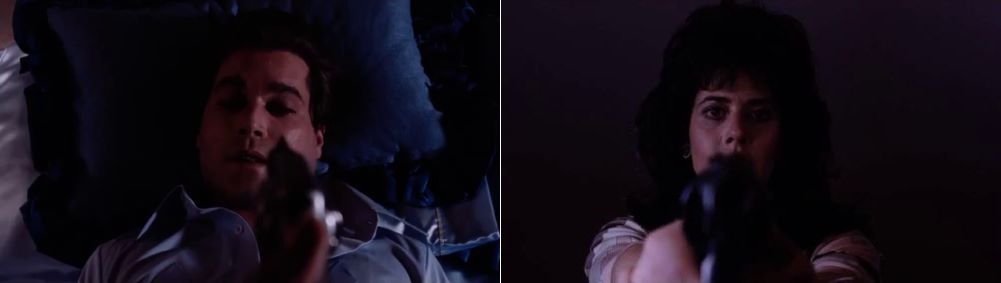
6 Point-of-View Shot (POV)
The Point-of-View Shot (POV) literally allows the viewers to see the world through the character’s eyes. The camera is positioned and angled as if it were the character’s eyes, capturing what they see and how they see it.
This can include distorted or altered visuals, such as blurred edges, color filters or shaky camera movements, to reflect the character’s emotional state or physical condition.
In dialogue scenes, this shot immerses the audience directly connect with the character on a deeper level by experiencing the scene from their intimate viewpoint.
Purpose
The use of a POV shot allows the filmmaker to convey the character’s subjective experience.
One of the primary purposes of the POV shot is to elicit empathy and emotional engagement from the audience. By seeing the world through the character’s eyes, viewers can better understand their emotions, thoughts and reactions. This connection enhances the audience’s investment in the character’s experiences and can lead better to the narrative.
Effect
The POV shot has a profound effect on the audience as it allows viewers to experience the scene from the character’s perspective, seeing what they see, hearing what they hear and feeling what they feel. This deepens the audience’s emotional connection with the character and can generate empathy, suspense or tension, depending on the context.
Also. the audience is kept in the dark about events occurring outside the character’s field of vision, intensifying the impact of unexpected developments.
When to use a Point-of-View shot (POV)?
Incorporate POV shots in dialogue scenes when you want the audience to empathize with a character’s emotions and experiences. For example, in a heartfelt confession, showing the POV of the character expressing their feelings can intensify the emotional impact.
In moments of suspense or surprise, showing the scene from a character’s POV can build tension. Imagine a thriller where the protagonist sneaks into a dangerous situation; their POV shot can convey their nervousness and fear.
When you want to reveal something crucial that only one character sees or notices. This can add an element of dramatic irony, where the audience knows something that other characters in the scene do not.
To know how Ridley Scott covers a Dialogue Scene, check this link bleow:
Creative Considerations
When choosing which shots to use in dialogue scenes, several creative considerations come into play. These considerations are crucial in enhancing the storytelling, emotional impact and overall effectiveness of the dialogue scenes.
1 Character Focus
The choice of shots should align with the character through whom the audience needs to experience the scene.
Consider which character’s perspective is most critical in a given scene. Use shots that emphasize that character’s emotions and reactions. Varying the shots based on the character’s significance can provide unique insights into the narrative.
Protagonist’s Perspective
If the protagonist is experiencing a pivotal moment in the story, the shots should emphasize their emotions, reactions and thoughts. Close-ups and reaction shots can be particularly effective in this context.
Antagonist’s Perspective
In scenes where the antagonist’s motives or actions are central, the choice of shots can focus on their expressions, creating tension and intrigue.
Supporting Characters
Supporting characters can also have significant roles in a dialogue scene. Use shots that highlight their contributions or reactions when necessary.
2 Emotional Impact
Consider the emotional tone of the dialogue. Different shots can amplify or emphasize various emotions.
Think about the emotional tone of the dialogue. Select shots that enhance the intended emotional impact, whether it’s intimacy, tension, humor or sadness. Different shots can evoke different emotional responses from the audience.
Intimacy
For scenes meant to convey intimacy or deep connection between characters, close-ups and two-shots that frame characters closely together can be effective.
Tension
Quick cuts between characters, along with reaction shots, can heighten tension during a confrontation or argument.
Humor
Shots that capture characters’ physical comedy or reactions can enhance the humor in comedic dialogue scenes.
Sadness
Slow, lingering shots or extreme close-ups that focus on a character’s tears or expressions can intensify the sadness and empathy in a scene.
3 Pacing and Rhythm
The choice of shots can greatly influence the pacing and rhythm of the dialogue scene.
Quick cuts can create tension, while longer takes can foster intimacy and reflection. Use shot selection to control the ebb and flow of the scene’s energy.
Quick Cuts
Rapidly cutting between characters during a heated argument or fast-paced dialogue can create a sense of urgency and excitement.
Long Takes
Longer takes with minimal cuts can slow down the pace, allowing the audience to dwell on a character’s emotions or words. This can be particularly effective for reflective or dramatic moments.
Variation
Mixing different shot types within a scene can add variety to the pacing, keeping the audience engaged.
4 Visual Metaphors
Utilize shots and framing to create visual metaphors that complement the dialogue. Filmmakers often use shots to create visual metaphors that complement or reinforce the dialogue. These metaphors can add depth and symbolism to the scene.
To know more about Composition and Framing in Cinematography, check this link below:
Framing
Consider how the framing of characters or objects can symbolize their emotional state or the themes of the dialogue. For instance, framing a character behind bars can represent emotional imprisonment or conflict, while a shot of a character ascending a staircase can represent their personal growth or struggle.
Composition
The arrangement of characters within the frame can convey power dynamics or relationships. Placing a character in the foreground and another in the background can illustrate dominance or submission.
To know the three important Composition and Framing Conventions in Cinematography, check this link below:
5 Storytelling Subtext
Consider how shots can add subtext to the dialogue. Shots can be used to add subtext to the dialogue, revealing hidden motivations or feelings of characters.
Reaction shot
A character’s reaction in a reaction shot can reveal hidden motivations or feelings, providing layers of complexity to the storytelling.
Object Focus
Pay attention to objects or details within the scene. Shots that emphasize these elements can foreshadow events or symbolize themes relevant to the dialogue.
Conclusion
Dialogue scenes are the backbone of cinematic storytelling and the choice of shots within these scenes is a powerful tool for conveying emotions, character dynamics and narrative depth.
The shot selection in dialogue scenes is a nuanced and creative process, requiring a deep understanding of storytelling, character development and visual language. By mastering the use of shots like the two-shot, over-the-shoulder shot, insert shot, reaction shot, cutaway shot and point-of-view shot (pov), filmmakers can create dialogue scenes that captivate and resonate with audiences.
By carefully considering the purpose and effect of each shot, filmmakers can craft dialogue scenes that not only advance the plot but also engage the audience on a profound emotional level, leaving a lasting impact.
That’s the end of the guide. If you have any experiences or tips to share about filming dialogue scenes, feel free to share them in the comments section below. Your insights and experiences can be valuable to others in the filmmaking community.
