

Learning filmmaking is a lifelong pursuit. My thinking about what film direction is, and the kind of movies I want to make have always been shaped by the filmmakers who have gone before me.
As I’ve already explained elsewhere, Sidney Lumet has been my guru, so to speak. As far as directing influences are concerned, these are the directors who have influenced me the most:

1. Akira Kurosawa
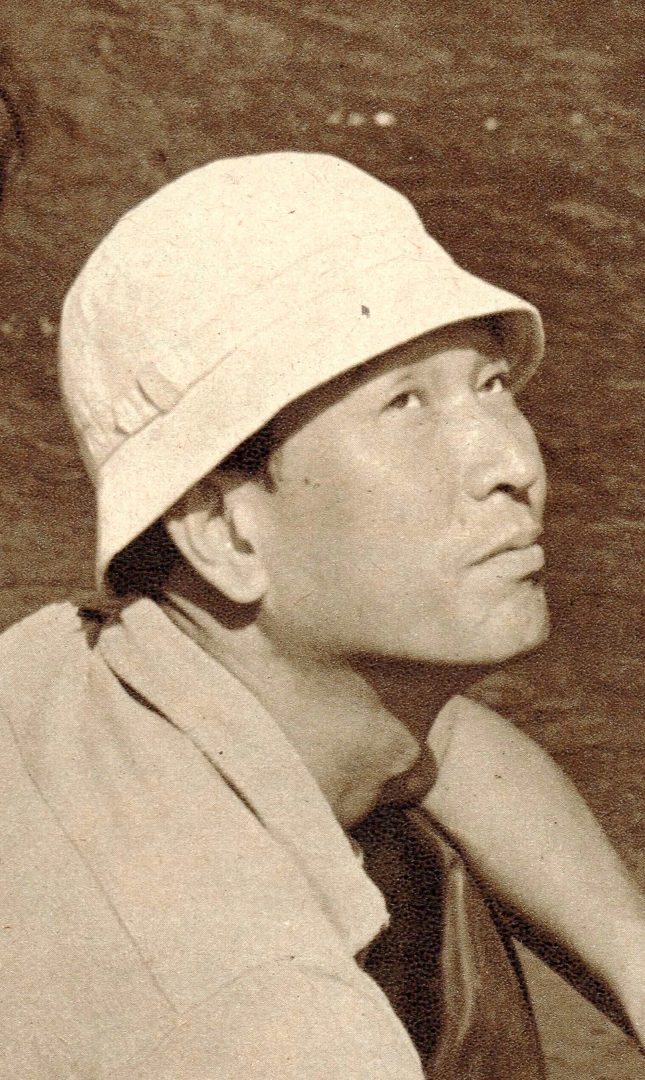
Akira Kurosawa holds the undisputed number one position. I knew it was him the day I watched Seven Samurai.
I attended a film festival where they were showcasing a Japanese director. The film I decided to watch (a random choice) was Rashomon.
That film left me speechless. The raw power of the imagery, and the imagination that made it happen just turned my whole idea of what film direction is upside down.
In the next few days I searched about him online (there was no Google or IMDb back then, in 2002) and discovered he had directed lots of films. I spend a large amount of cash for a DVD of Seven Samurai.
If Rashomon left me speechless, Seven Samurai had a profound and lifelong effect on me that continues to this day. I don’t shoot anything without watching Seven Samurai.
Over the years I’ve seen many of his films. My favorites, in addition to the two mentioned above, are Kagemusha, Ikiru, Throne of Blood, Stray Dog and High and Low. Buy on Amazon.
Here are some essays of Kurosawa I’ve made:
2. Steven Spielberg
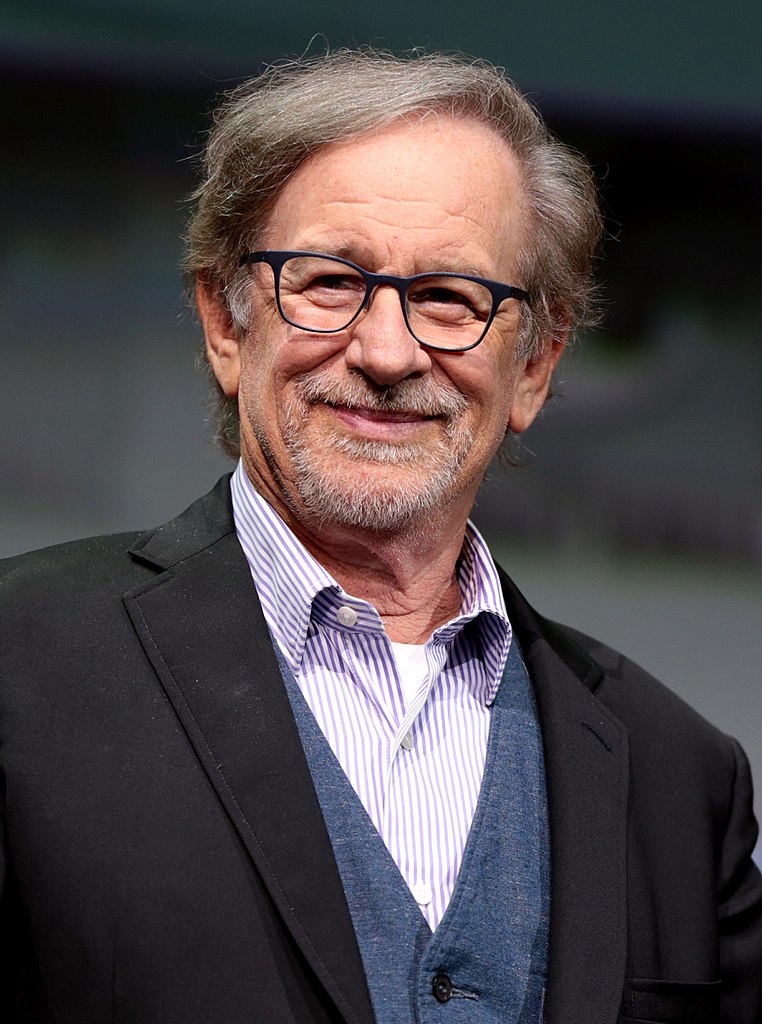
Steven Spielberg is the reason I got into film direction. The movie that impacted me the most was Schindler’s List.
I grew up on 80s Spielberg films – E.T., Hook, Raiders of the Lost Ark, etc. He was already a legend, but the critics always said he couldn’t direct “serious stuff” – that he wasn’t Oscar material. All that changed with Schindler’s List, Saving Private Ryan, Amistad, Munich, Lincoln, and a host of other films. Buy on Amazon.
What sets Spielberg apart is his camera angles, movement and blocking. His skill is unsurpassed. There isn’t anybody on this list or anywhere who can block and stage a scene, and move a camera like he can.
Image credit: Gage Skidmore, via Wikipedia
Here are some essays of Spielberg I’ve made:
3. Sidney Lumet
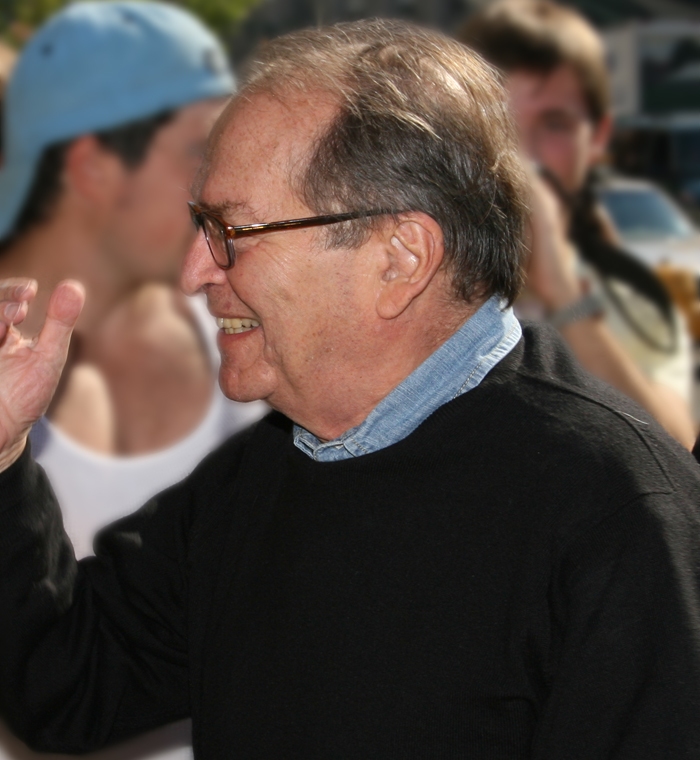
I learned everything I know about film direction from Sidney Lumet’s book Making Movies.
He taught me what professionalism meant, and how a director should conduct himself or herself on set. No matter what the subject or genre, he just got the job done. And, he had integrity.
You can read my tribute to him here.
My favorite films are 12 Angry Men, Network and Dog Day Afternoon. Buy on Amazon.
Image credit: gdcgraphics, via Wikipedia, under the Creative Commons Attribution-Share Alike 2.0 Generic license.
The reason I haven’t made a video essay on any of his films is because he covered pretty much all of it in his book! Just read it.
4. Stanley Kubrick
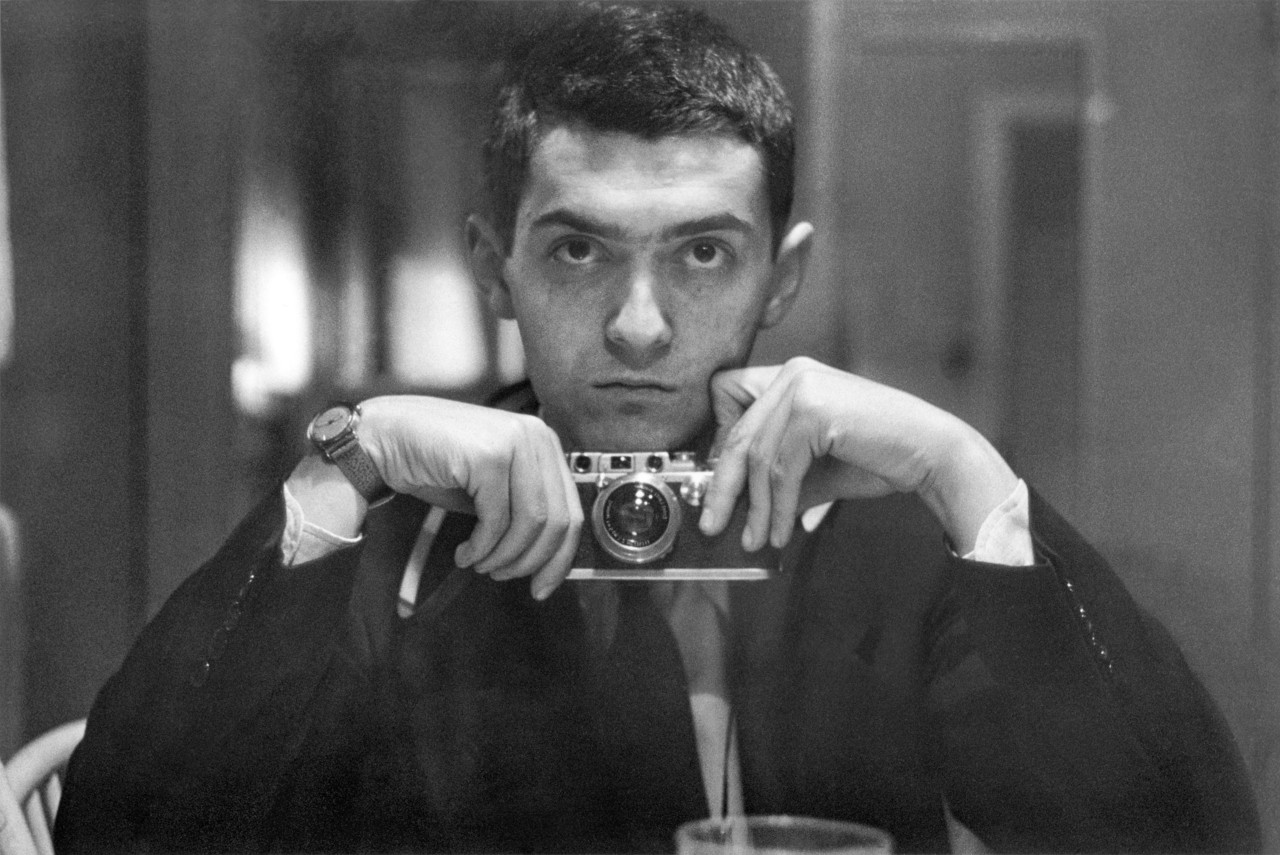
Stanley Kubrick’s is probably the kind of films I want to make. Epic, but not in the big budget Hollywood sense. 2001: A Space Odyssey does it for me.
Stanley Kubrick made only 13 films in a career that spanned more than 40 years. He took great pains to write and prepare each movie, and often his budgets went through the roof. However, his films always got mixed reviews and were average commercial successes.
What keeps him apart from other directors is his singular vision and his sense of grand spectacle. You may not like it, but you will certainly react to it, and that is the true test of any artist.
My favorite films are 2001: A Space Odyssey, Barry Lyndon and Dr. Strangelove Or: How I Learned To Stop Worrying And Love The Bomb. Buy on Amazon.
Image credit: Gage Skidmore, via Wikipedia
Essays on his work:
5. Orson Welles
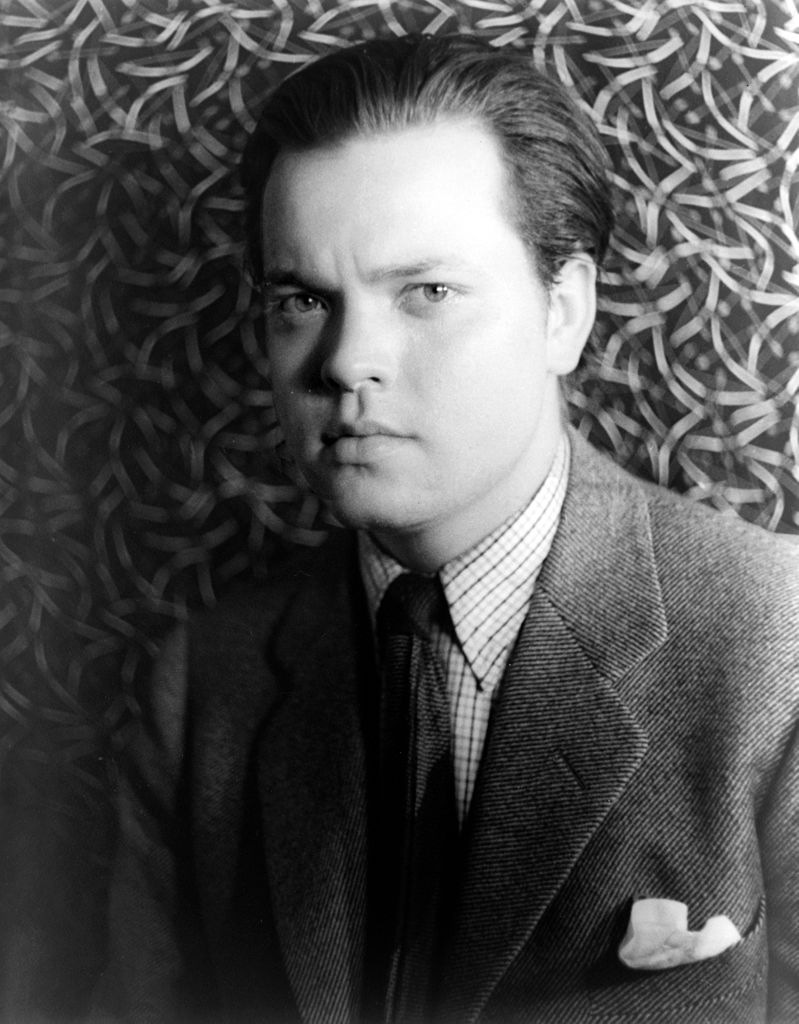
Orson Welles taught me what “camera space” is. Many call it mis-en-scene but I have no idea what that really means. Citizen Kane is the film to watch…a million times.
Orson Welles was an unstoppable force who unluckily met an immovable object. His career almost ended with the release of his first film, but thankfully it didn’t. His subsequent films confirm his genius in the art of storytelling and acting, and for me, he is the undisputed master of camera space and the long take.
My favorite films are Citizen Kane, Touch of Evil and The Magnificent Ambersons. Buy on Amazon.
Image credit: Gage Skidmore, via Wikipedia
Essays on his work:
6. John Carpenter
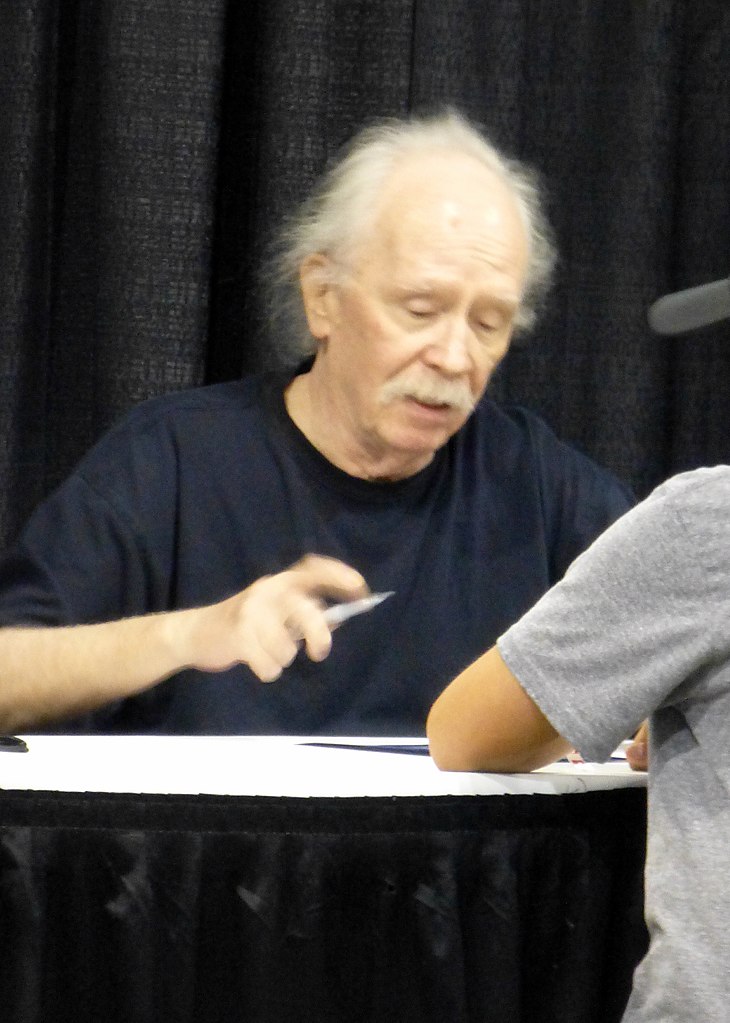
John Carpenter just knew how to tell a great “linear” thriller. I can watch Halloween every day of the week.
For me, the master of the anamorphic format. I love the way he uses the format to show small neighborhoods, cars, or anything!
And I love his music!
He’s also a storytelling genius. His films tend to be super-linear, taut and a pleasure to watch. My favorites, other than Halloween, are The Thing and Assault on Precinct 13. Buy on Amazon.
Image credit: GabboT at https://flickr.com/photos/57638320@N00/14872083007 under the under the Creative Commons Attribution-Share Alike 2.0 Generic license.
Essays on his work:
7. Alfred Hitchcock
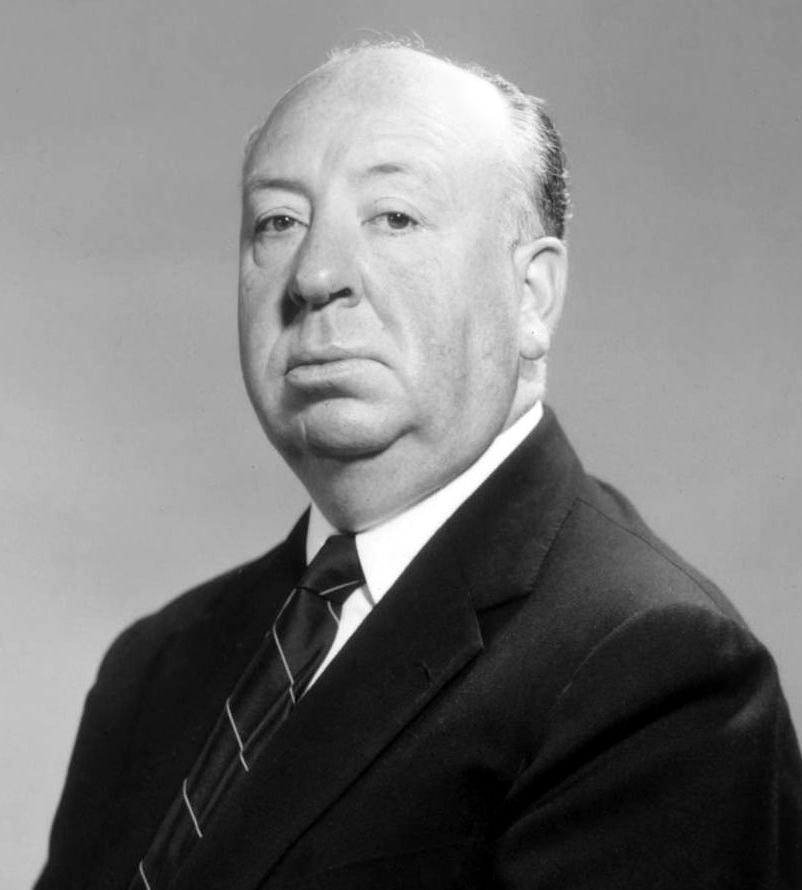
Alfred Hitchcock is the master of suspense. I can’t choose between Psycho and Rear Window.
Alfred Hitchcock knew how to manipulate the audience. He showed me how to create suspense and how to hold an audience’s interest.
My other favorites are The Birds and Rope (I’m not a big fan of Vertigo!). Buy on Amazon.
Image credit: Gage Skidmore, via Wikipedia
Essay on his work:
8. David Lynch
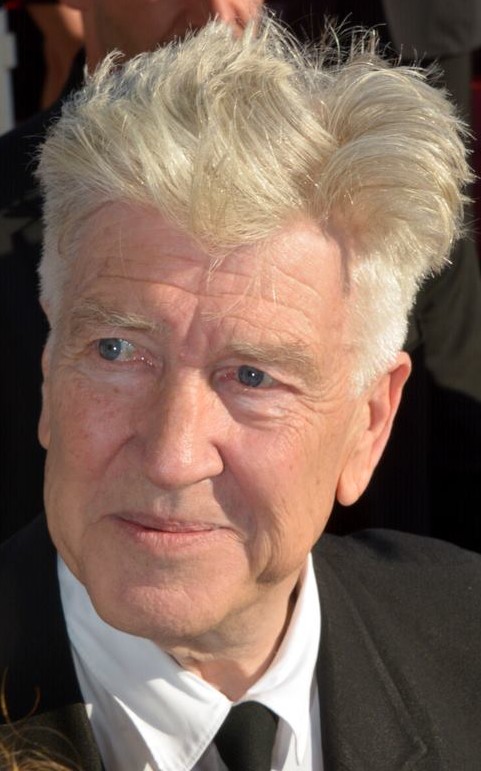
For me, David Lynch is the director who took Alfred Hitchcock’s style and ran with it. Twin Peaks for the win. All of it.
What Lynch can do is tell a story about anything, and nothing, and you’ll just keep watching. You won’t even know what you’re watching, but you’ll want to watch it anyway because it’s magnetic. That’s pure cinema.
And, his sound design is the best I’ve seen.
My other favorites are Mulholland Drive and Blue Velvet. Buy on Amazon.
Image credit: Georges Biard, via Wikipedia
9. Sergio Leone
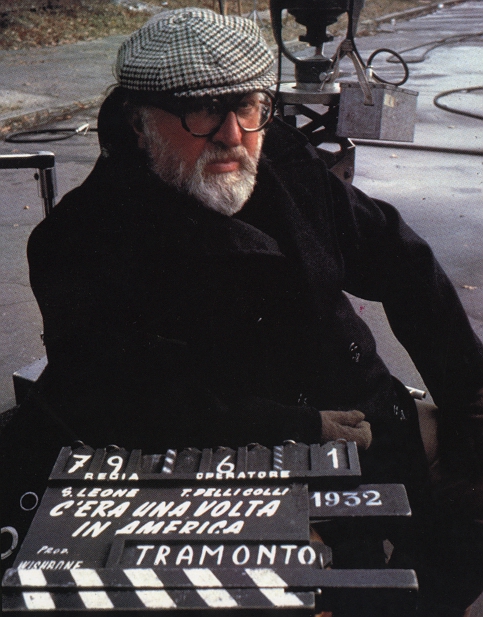
Imagine a packed single screen cinema theater with a thousand-plus seats. Now imagine everyone cheering. That’s what Leone’s films do for me.
Leone is the direct descendent of John Ford and Kurosawa, if not in blood then definitely in film lineage. Like Hitchcock and Lynch, he could hold an audience, and make it super fun at the same time.
I can’t decide between Once Upon a Time in the West and The Good, the Bad and the Ugly. Also watch Once Upon a Time in America. Buy on Amazon.
Essay on his work:
10. Dario Argento
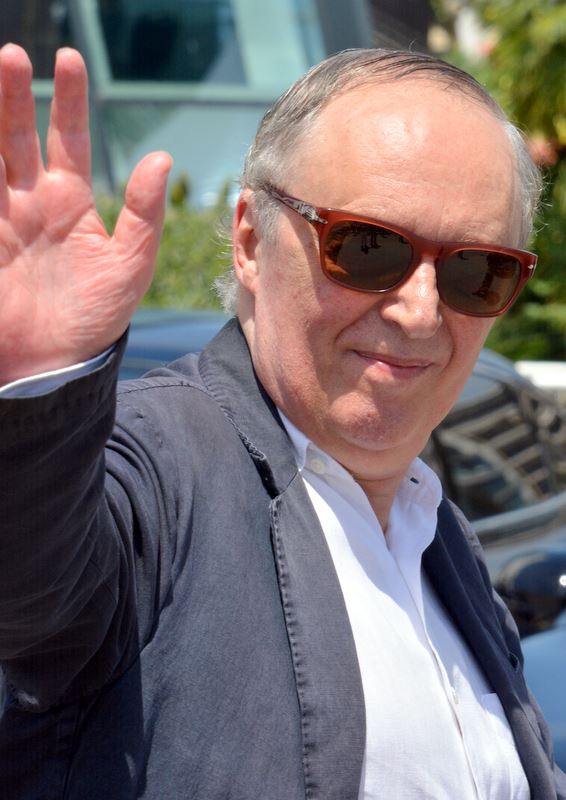
Dario Argento taught me how to use color in film. Deep Red (Profondo Rosso) is my favorite.
Dario Argento loves strong music, just like John Carpenter, Hitchcock, Kubrick, Lynch, etc. There must be a pattern here. Having weaned on Bollywood films music is a big part of me.
Dario Argento also loves the expressionistic style, with colors all over the place. Other than Deep Red my favorites are Suspiria and The Bird with the Crystal Plumage. Buy on Amazon.
Image credit: Georges Biard, via Wikipedia
11. Andrei Tarkovsky
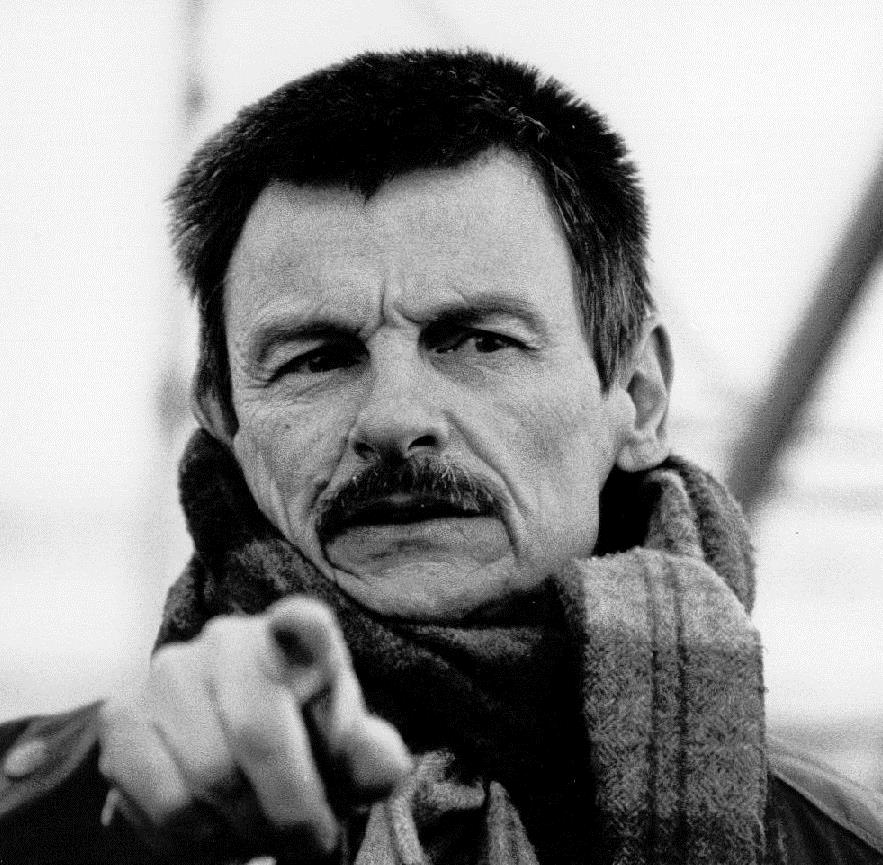
He is the poet. He is probably the most philosophical of the directors here, but my interest in his work is purely for his visual imagery and compositions.
Tarkovsky literally put his (and his crew’s) life on the line for his films. His ability to create haunting imagery is just jaw dropping.
My favorites are Stalker and Solaris. Buy on Amazon.
Image credit: Festival de Cine Africano de Córdoba at https://www.flickr.com/photos/53174894@N00/8033226904, via Wikipedia, under the under the Creative Commons Attribution-Share Alike 2.0 Generic license
Essay on his work:
12. Fritz Lang
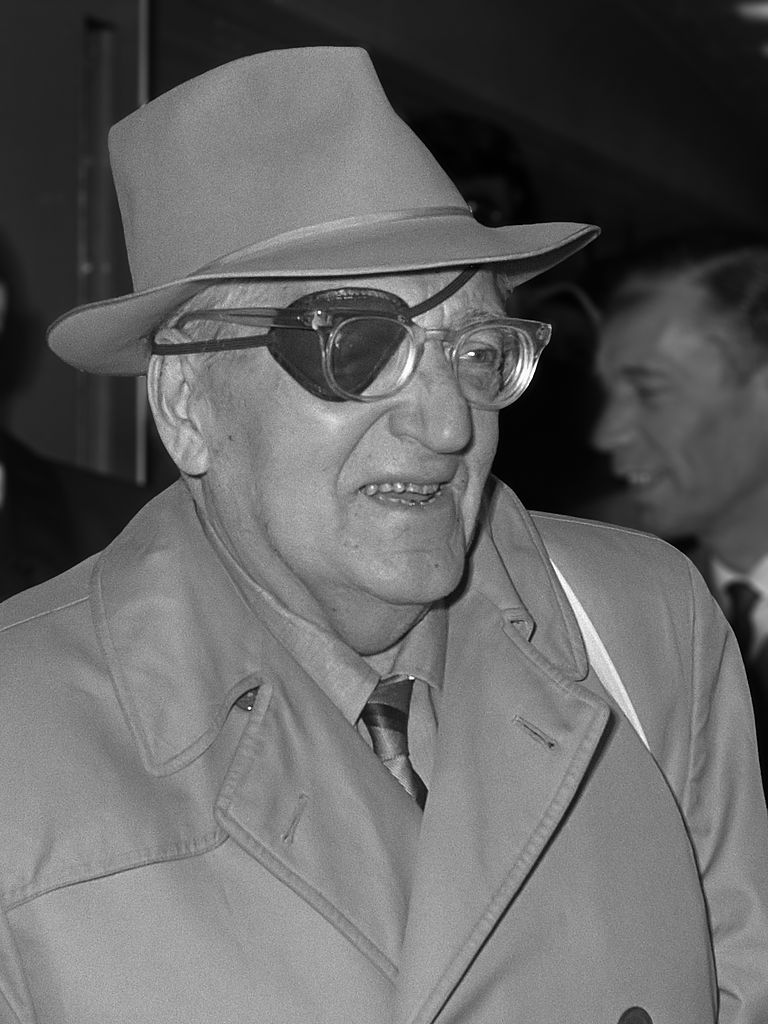
Fritz Lang made films that stand up to this day. M and Metropolis are films that will last forever.
Fritz Lang had an amazing narrative style. In many ways it is like German engineering, stripped of all unnecessary bulk and pure to its essence.
My favorites are M and Metropolis. Buy on Amazon.
Image credit: Joost Evers / Anefo, the Nationaal Archief, via Wikipedia under the Creative Commons Attribution-Share Alike 3.0 Unported license
13. Emir Kusturica
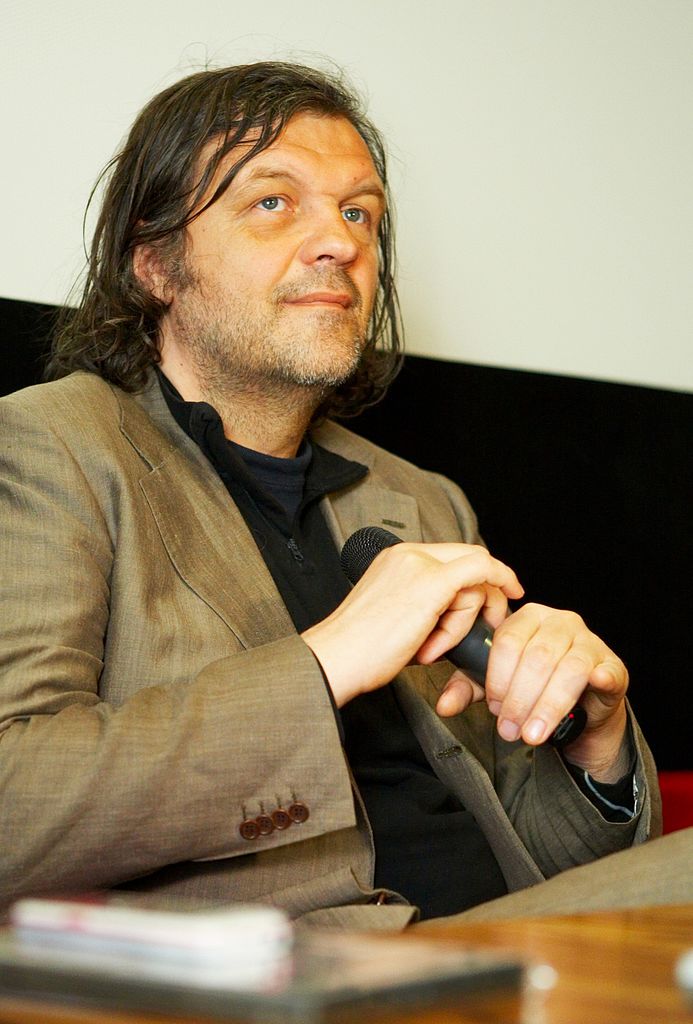
I was a “visual” director, until I watched Underground.
What Emir Kusturica showed me is how powerful actors can be if you made films revolving around them. I was really surprised to learn Kusturica framed his shots and the actors had to live in that space, so in many ways he is a visual director. But somehow he has found a balance where the characters become so real and energetic they jump off the screen and right on your lap.
My favorites are, Underground and Black Cat, White Cat. Buy on Amazon.
Image credit: Victor Dmitriev, via Wikipedia, under the Creative Commons Attribution-Share Alike 3.0 Unported license.
14. Ridley Scott
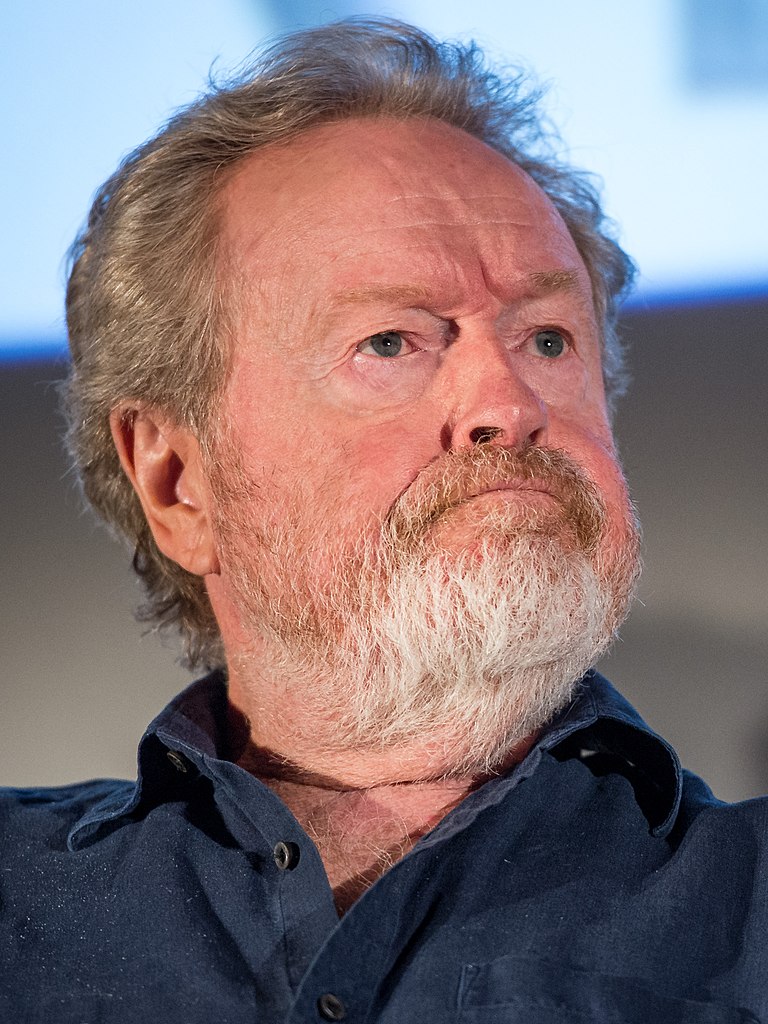
Ridley Scott is a fighter. When I saw what lengths we would go to to get Blade Runner on the screen, I knew he was worth studying.
Ridley Scott takes Fritz Lang’s style and really sets the tone for science fiction. His work on Blade Runner and Alien is good enough to hang with 2001 and Metropolis. And he also showed me when to fight the good fight.
My favorites are Blade Runner, Alien and Black Hawk Down, and Gladiator. Buy on Amazon.
Film essay on his work:
15. Mani Ratnam
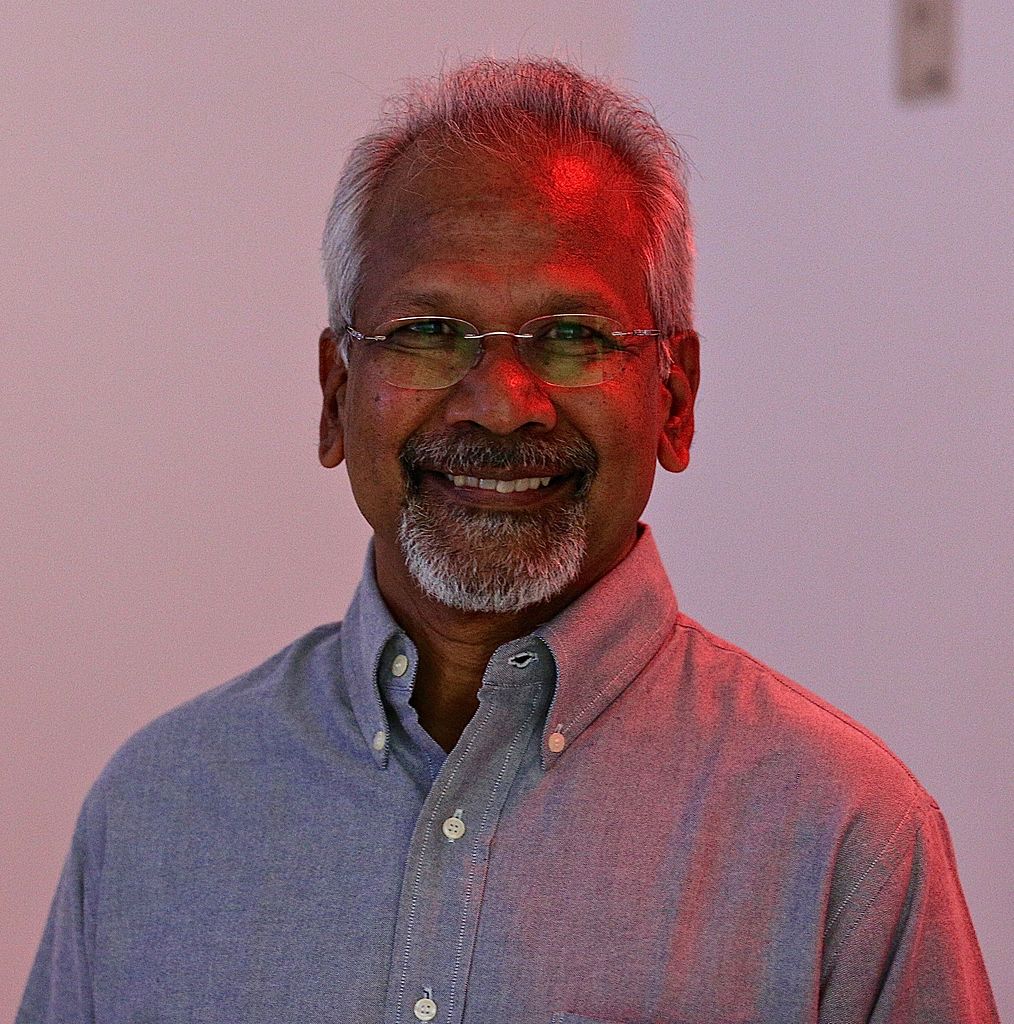
Mani Ratnam is why started paying attention to film direction. He made movies like no one else did.
Mani Ratnam’s direction is seemingly effortless, and his characters are lifelike. It’s hard to compete on the other directors on this list, but when I was a kid his films made the biggest impressions on me. It told me you could make films in different ways, and that’s the spark I needed.
My favorites are Iruvar, Nayakan, Anjali and Kannathil Muthamittal. Buy on Amazon.
Image credit: Santosh Kumar T K, via Wikipedia, under the Creative Commons Attribution-Share Alike 2.0 Generic license.
Film essay on his work:
That’s it! I hope you found this useful.

Nice work
Thanks!
you missed the modern great terrace mallick mate…..his movie “tree of life” pushed all the boundaries in the craft of film making………